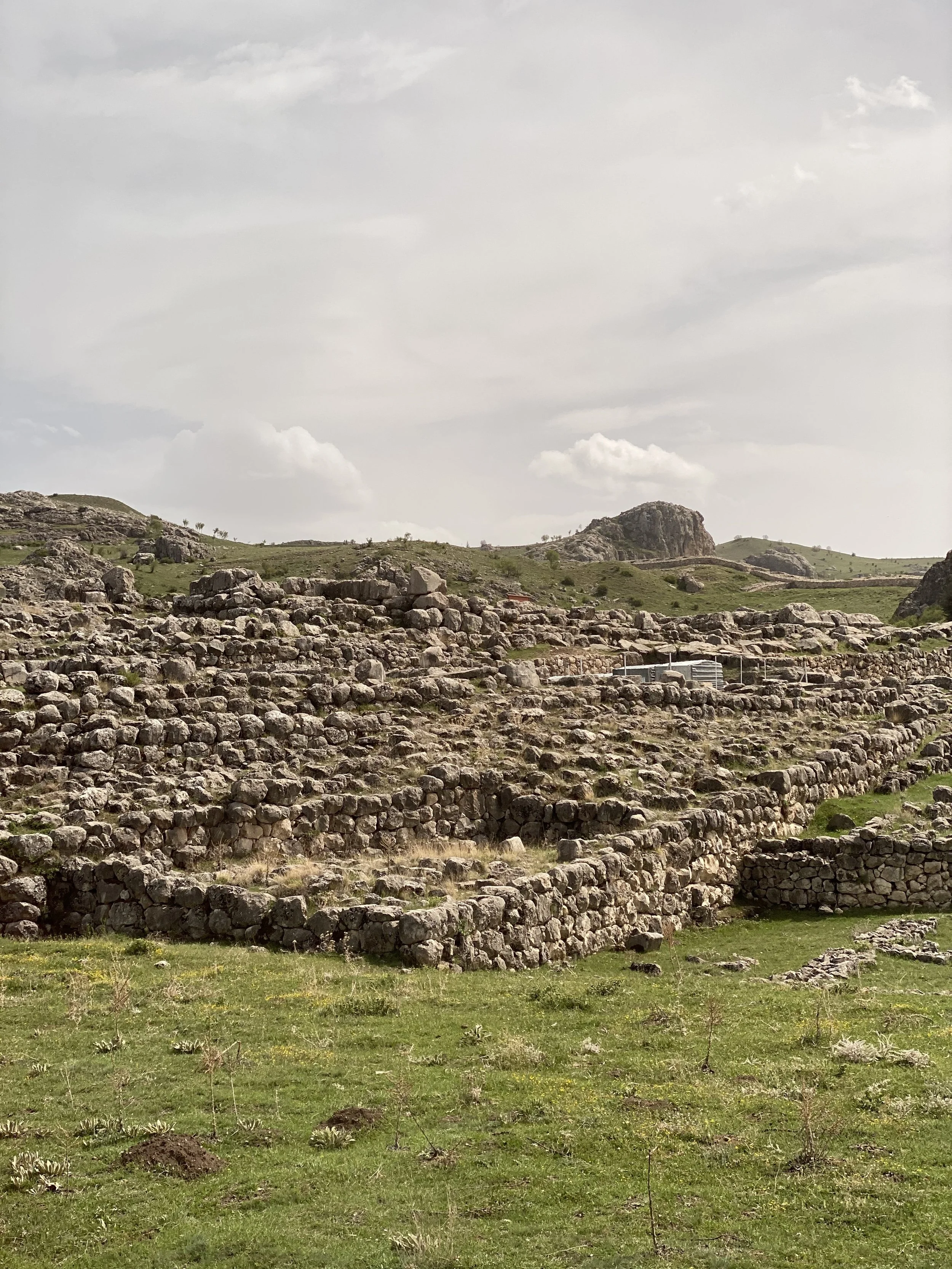
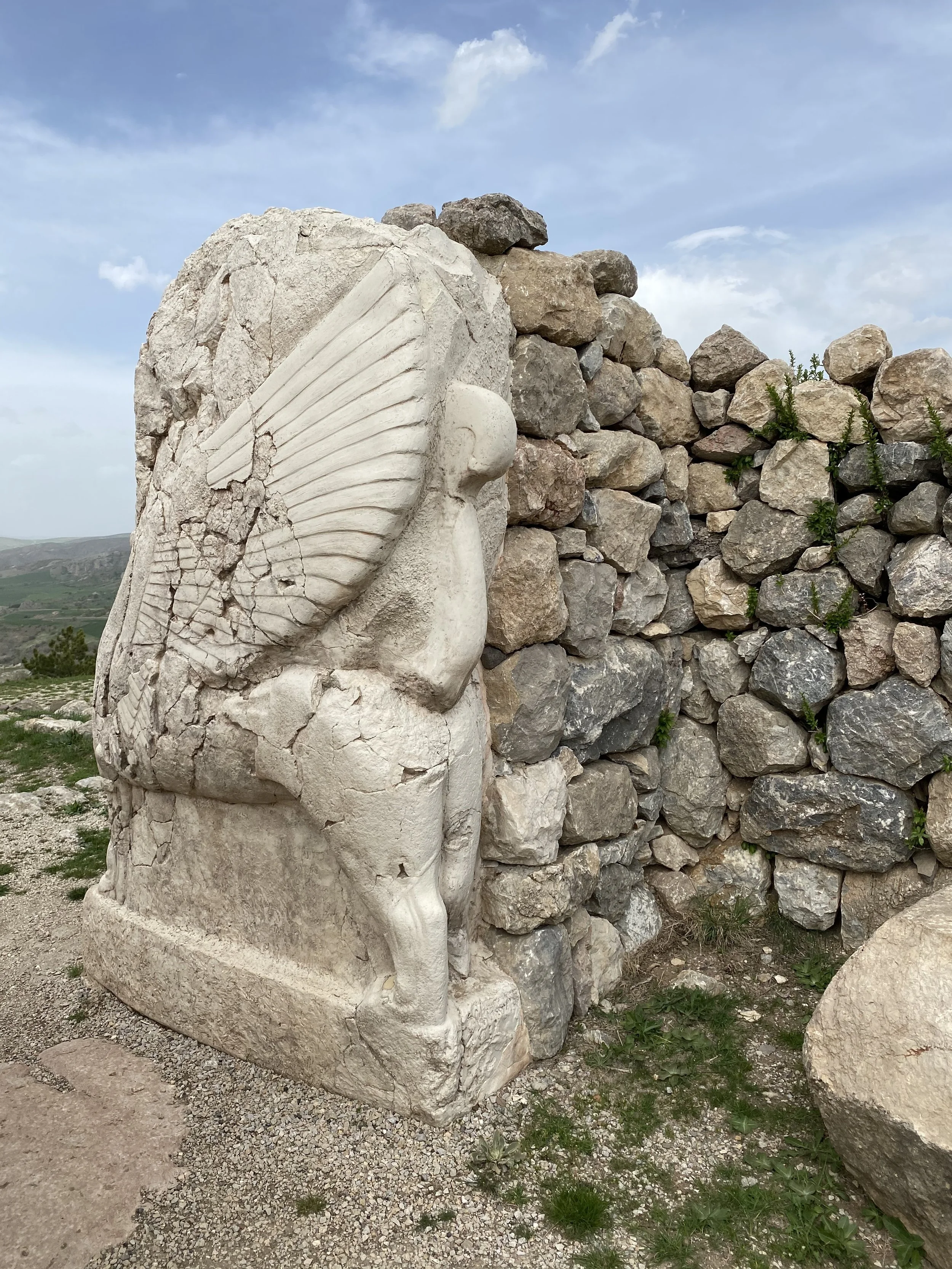
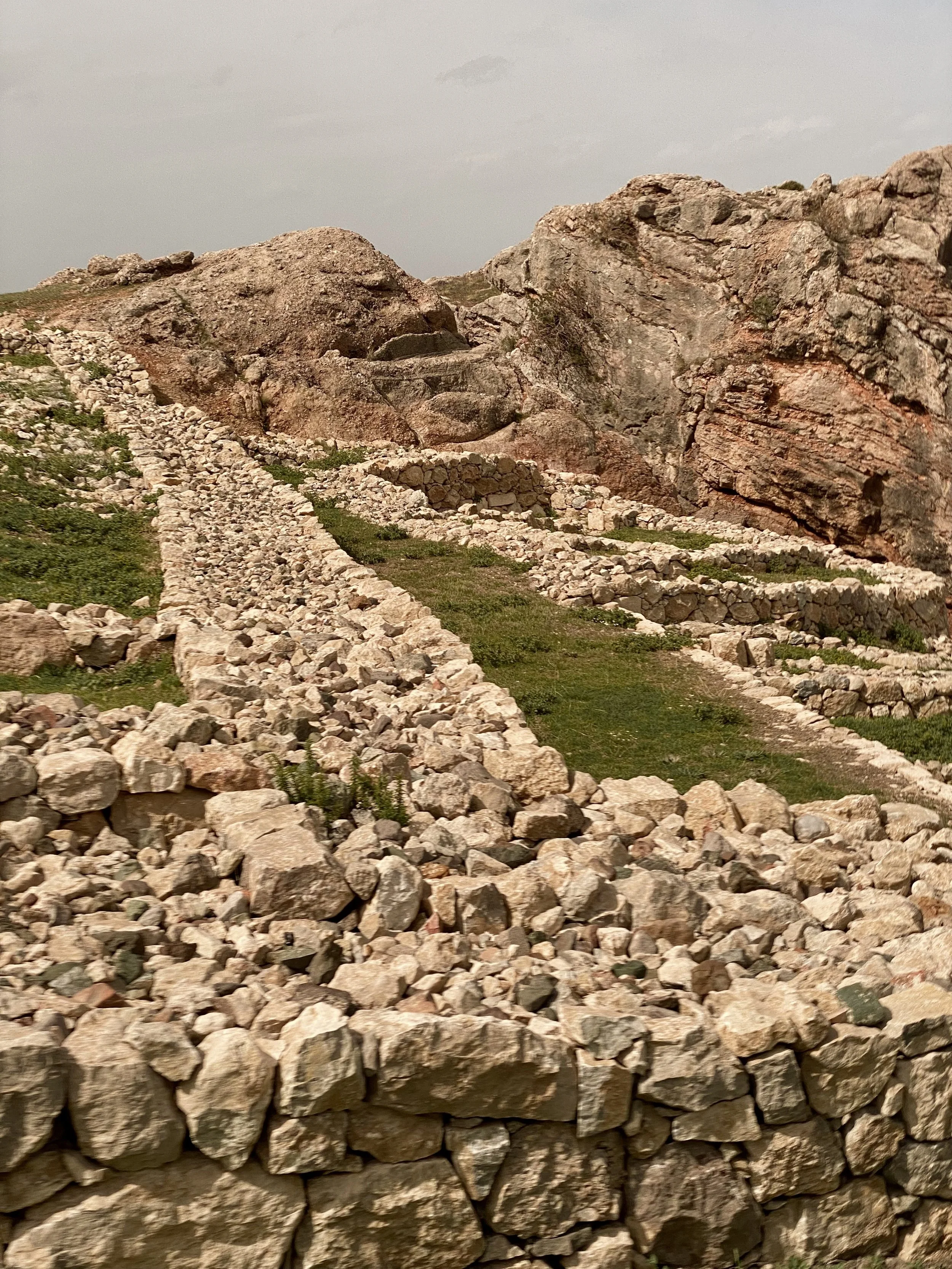
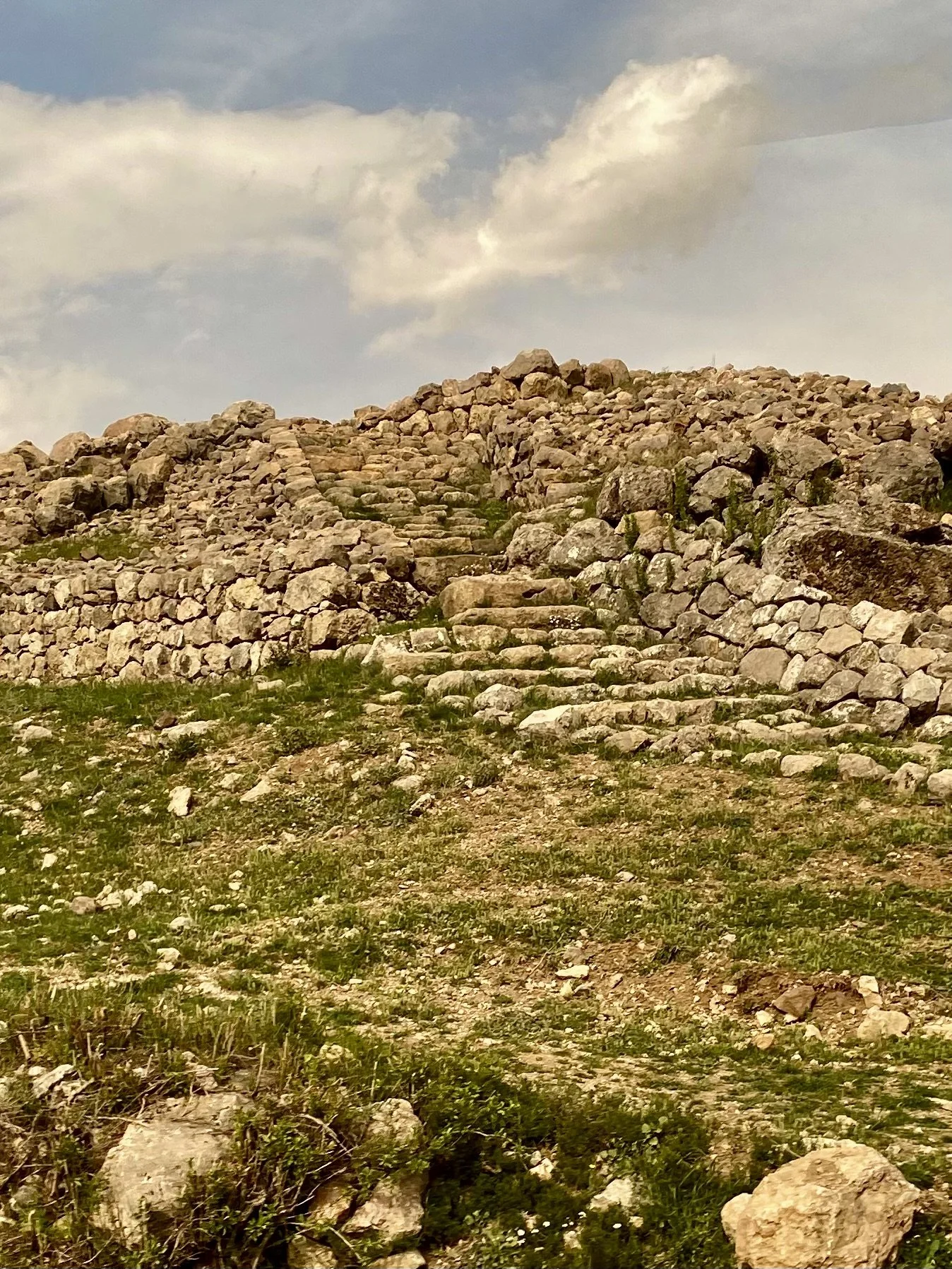
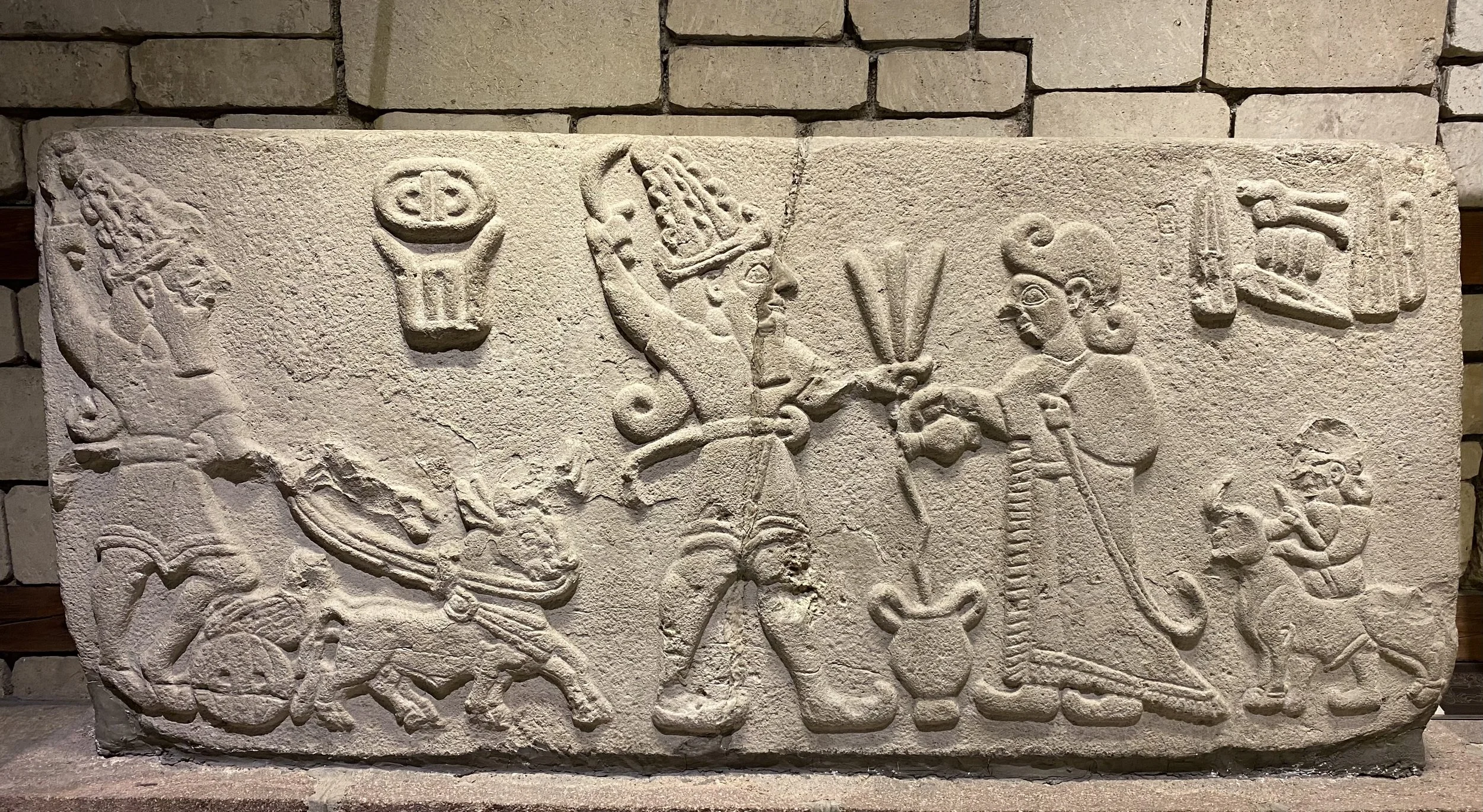
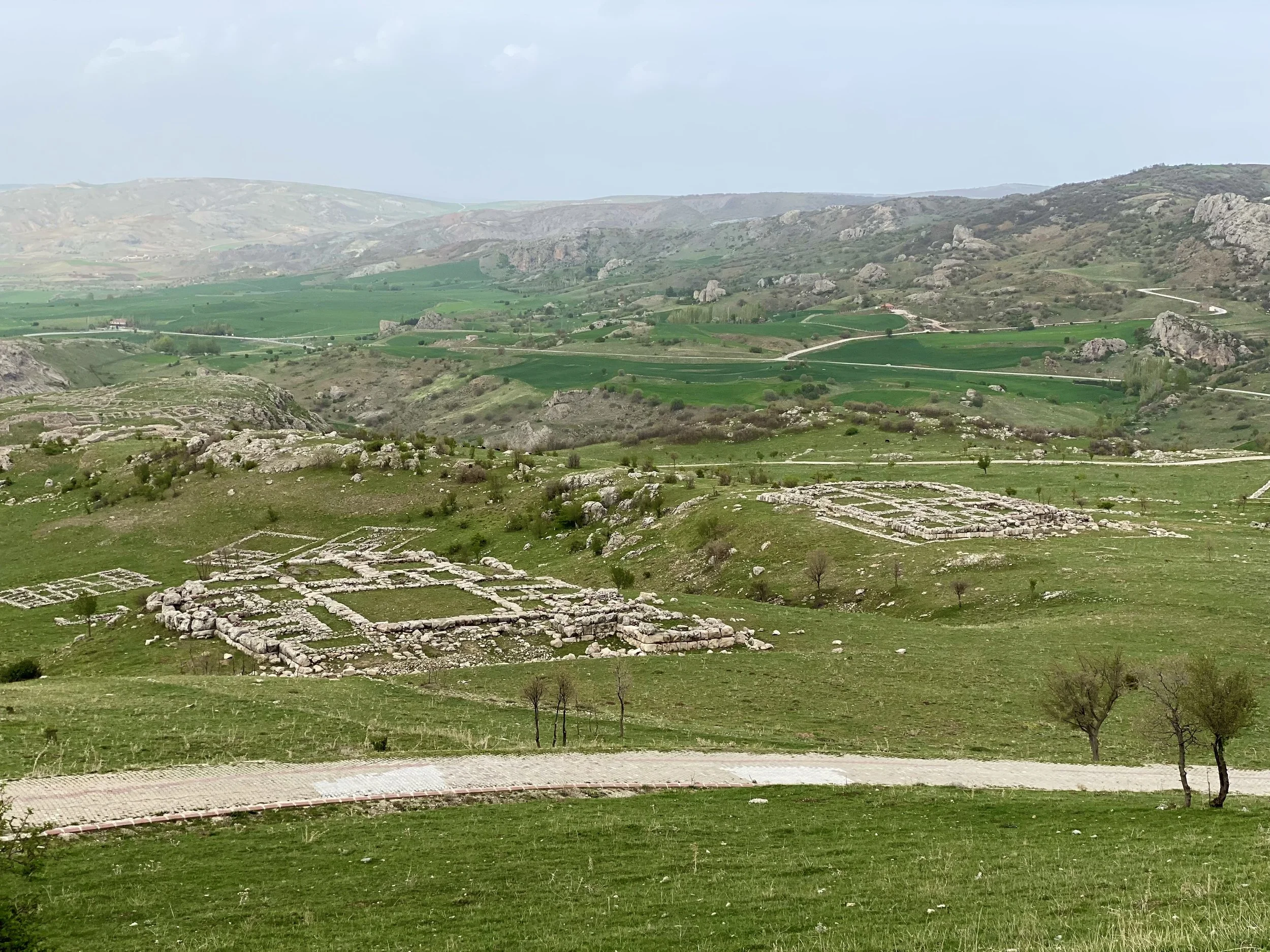
Hattusa, Bogazkale Turkiye
“So the field of Ephron in the Machpelah, which was to the east of Mamre, the field with the cave that was in it and all the trees that were in the field, throughout its whole area, was made over to Abraham as a possession in the presence of the Hittites, before all who went in at the gate of his city.” Genesis 23:17
The Hittites are an instance of an entire ancient empire disappearing from history for centuries. In 1834, when the explorer Charles Texier stumbled upon the Hittite capital of Hattusa in Anatolia, the Hittites were one of those things viewed as a Biblical myth…. An embellishment to colorful legendary religious stories. It wasn’t until 1906 that the archeological pieces of evidence came together and the Hittites were confirmed as group of people who ruled Anatolia and parts of Syria from roughly 1350 to 1200 BC at their height and existed long after as scattered people subsumed by other empires and cultures. The Hitties were such a key player in the ancient Near East that a peace treaty between Egypt’s Pharaoh Ramesses the Great and the Hittite king Hattusili III is known as one of the oldest surviving peace treaties ever. A replica of it hangs in the United Nations today.
The make up of the Hittite people - a combination of Hurrian and other Anatolian people groups - is still being sorted out. But they ruled much of what we know now as Turkey and northern Syria. Their language was a foundational Indo-European language from which English and many others have their roots. The discovery of cuneiform and hieroglyphic inscribed tablets at Hattusa and rock inscriptions all over Turkey have helped connect the people to writings about them in Egyptian, Assyrian and Babylonian texts… and to the Bible.
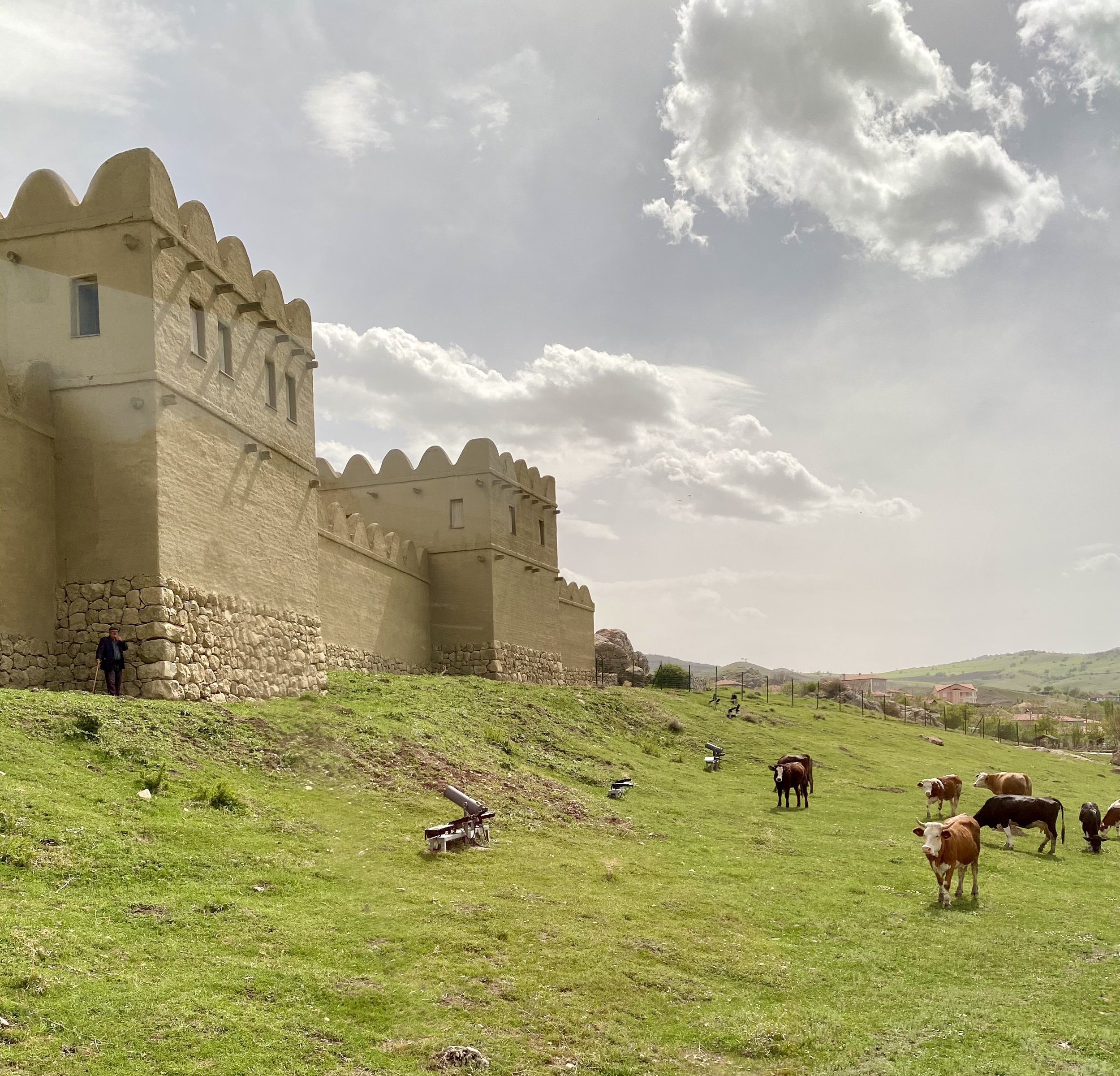
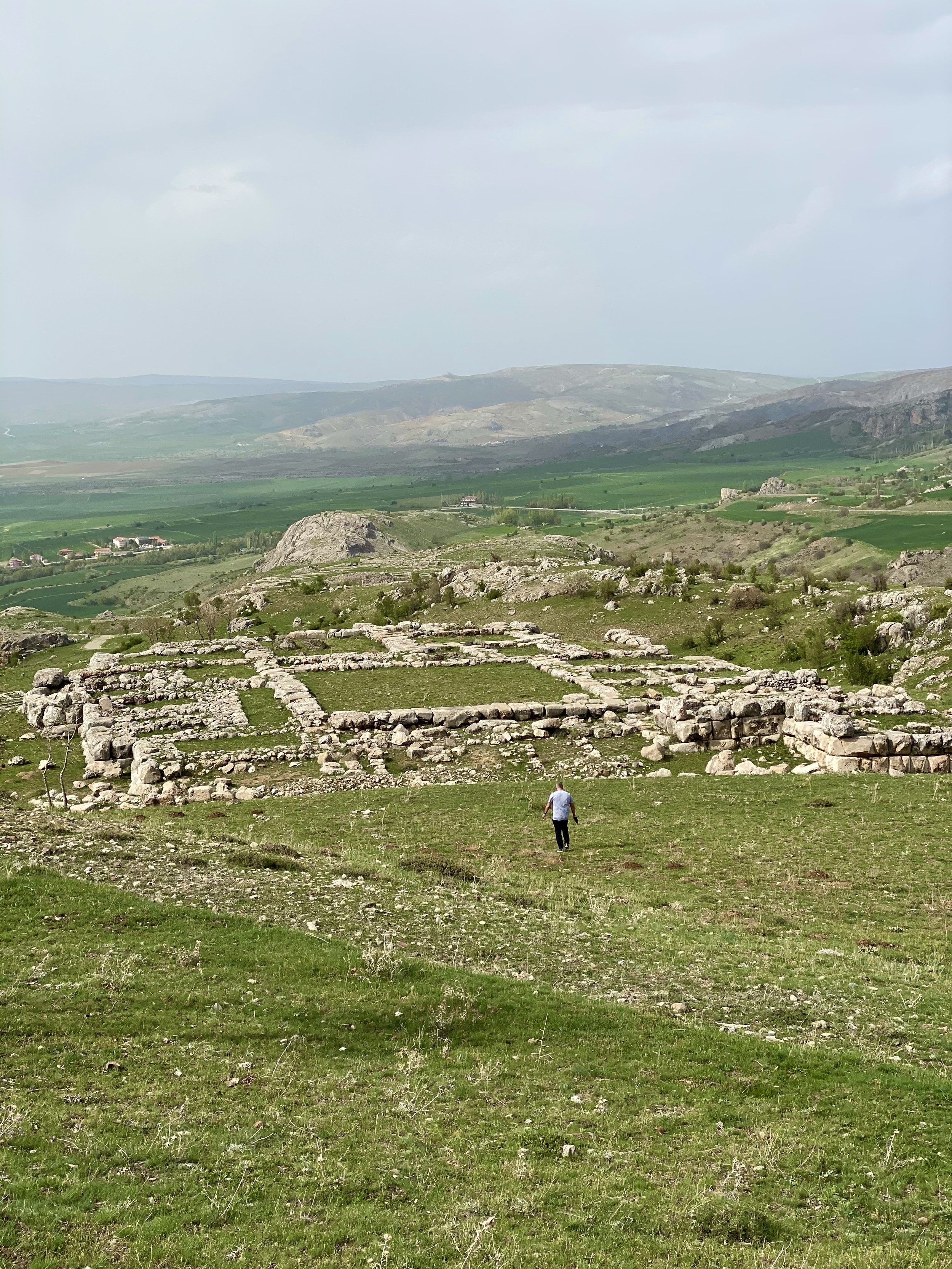
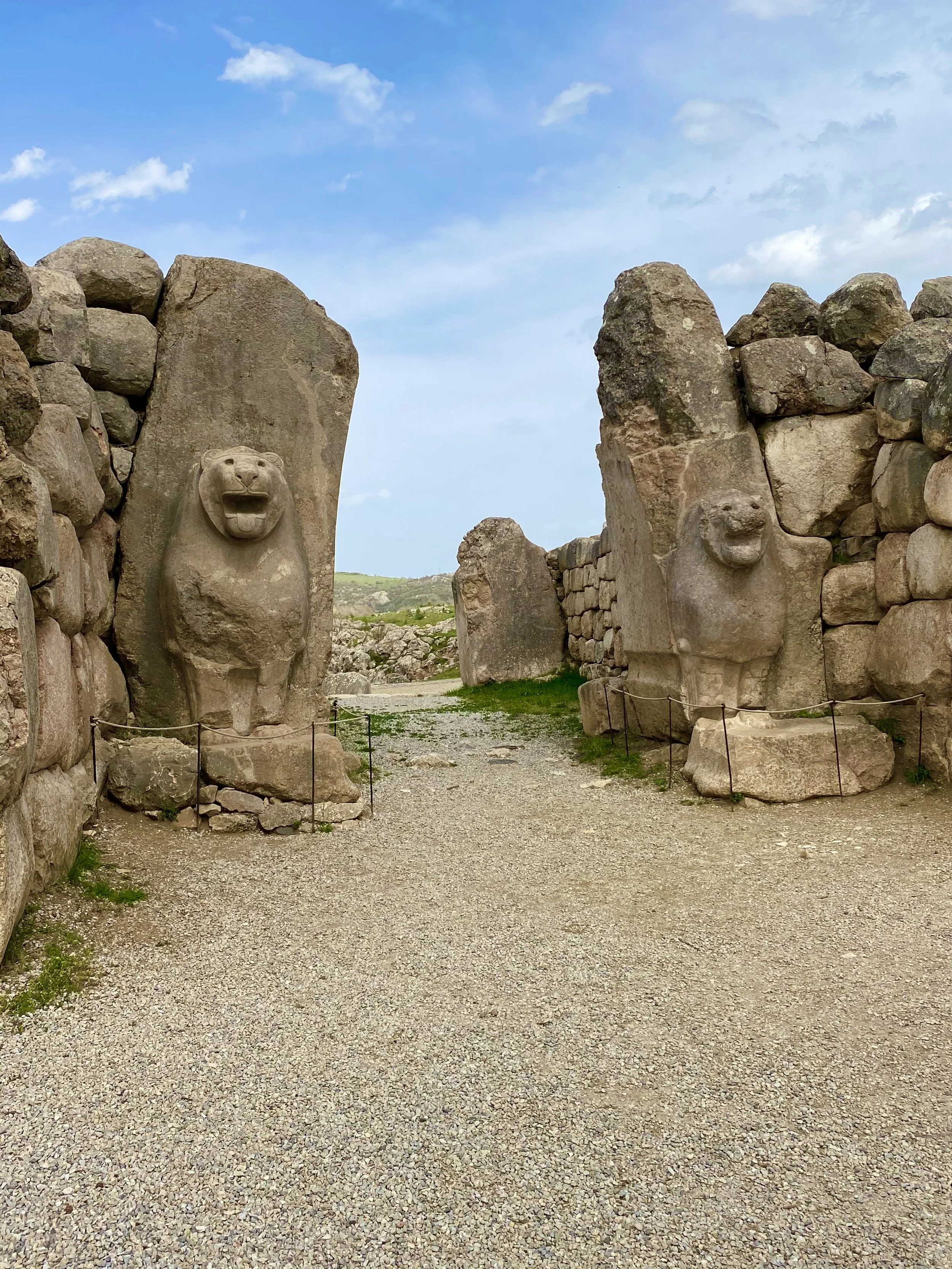
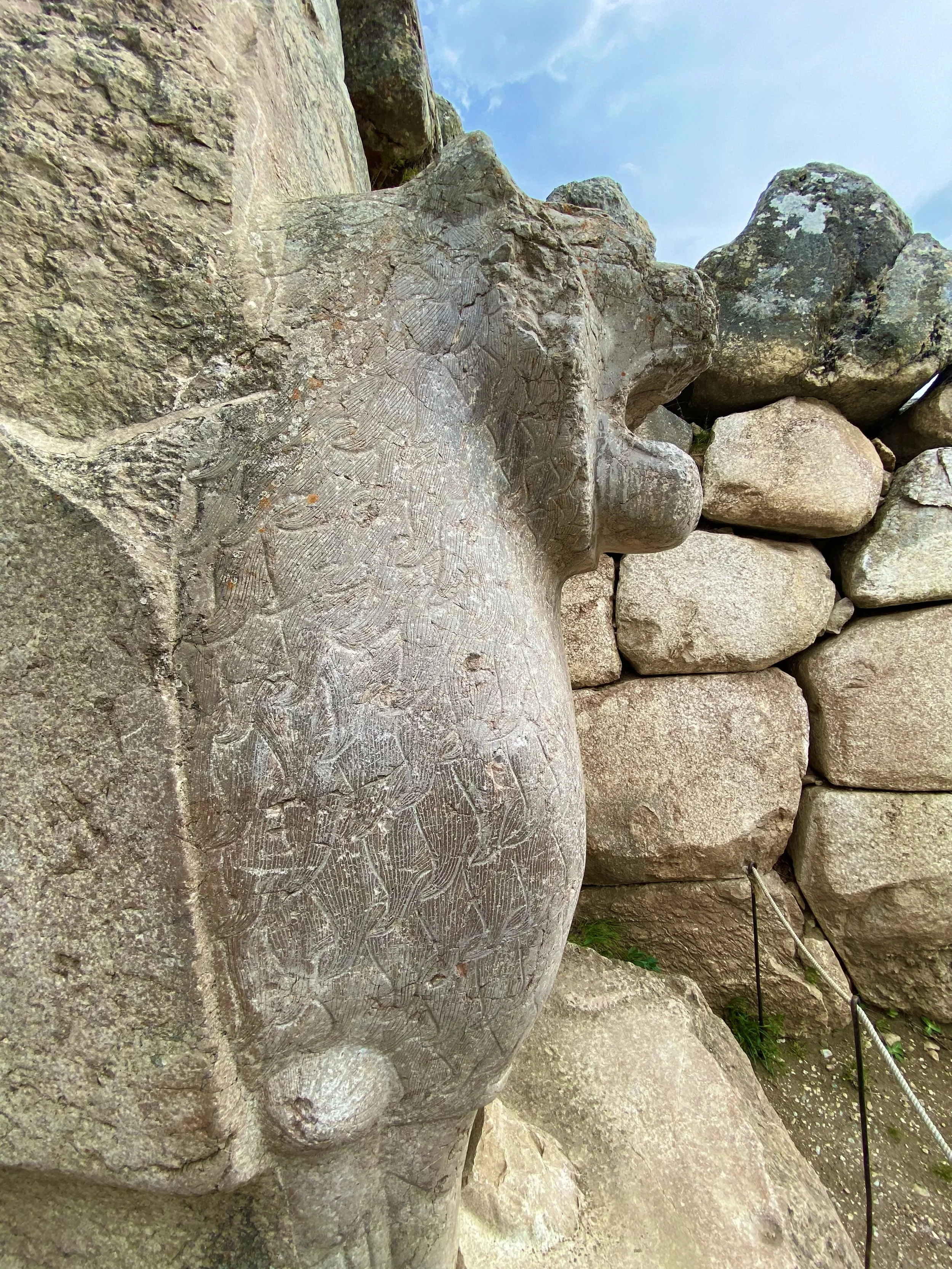
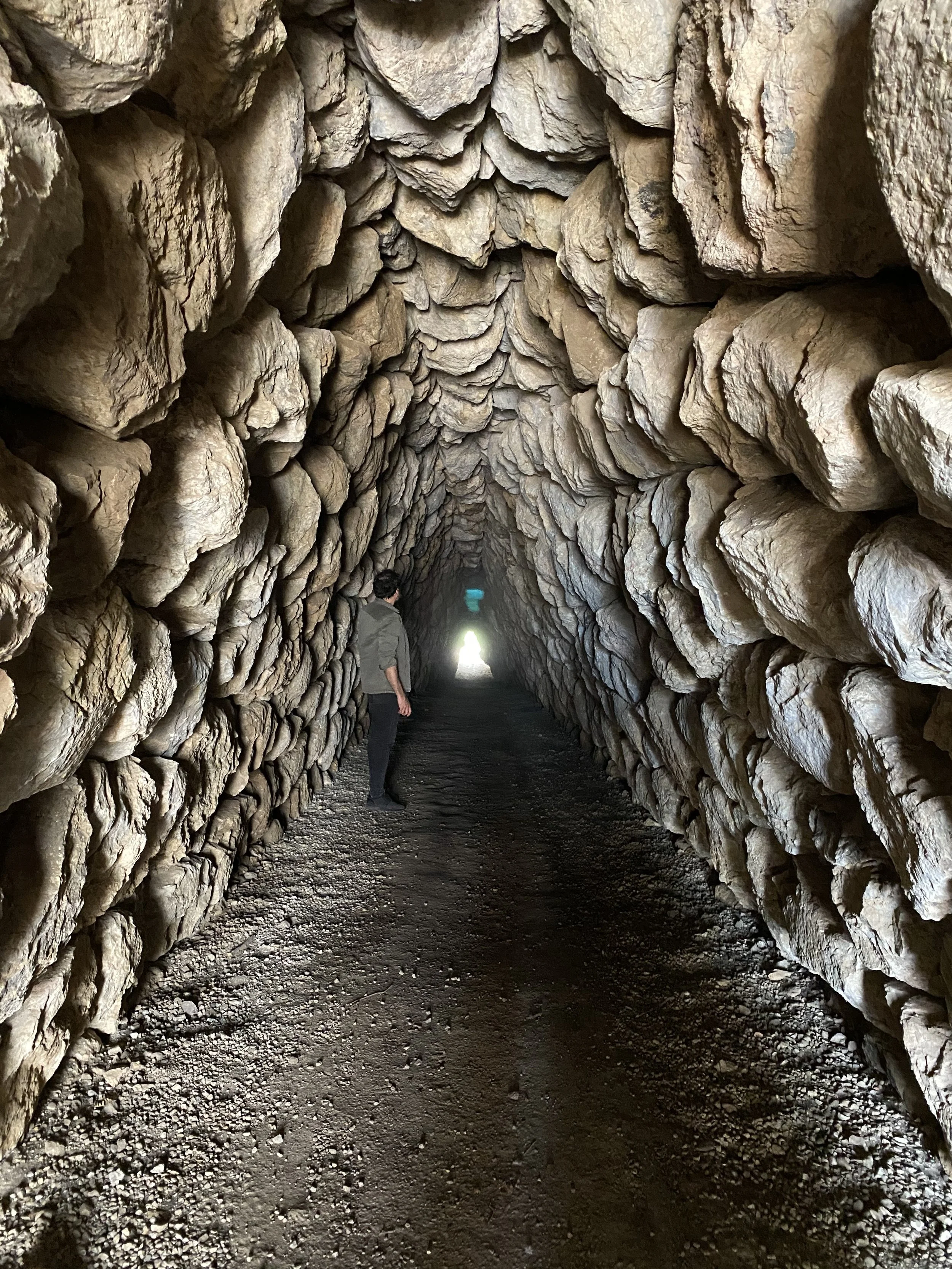
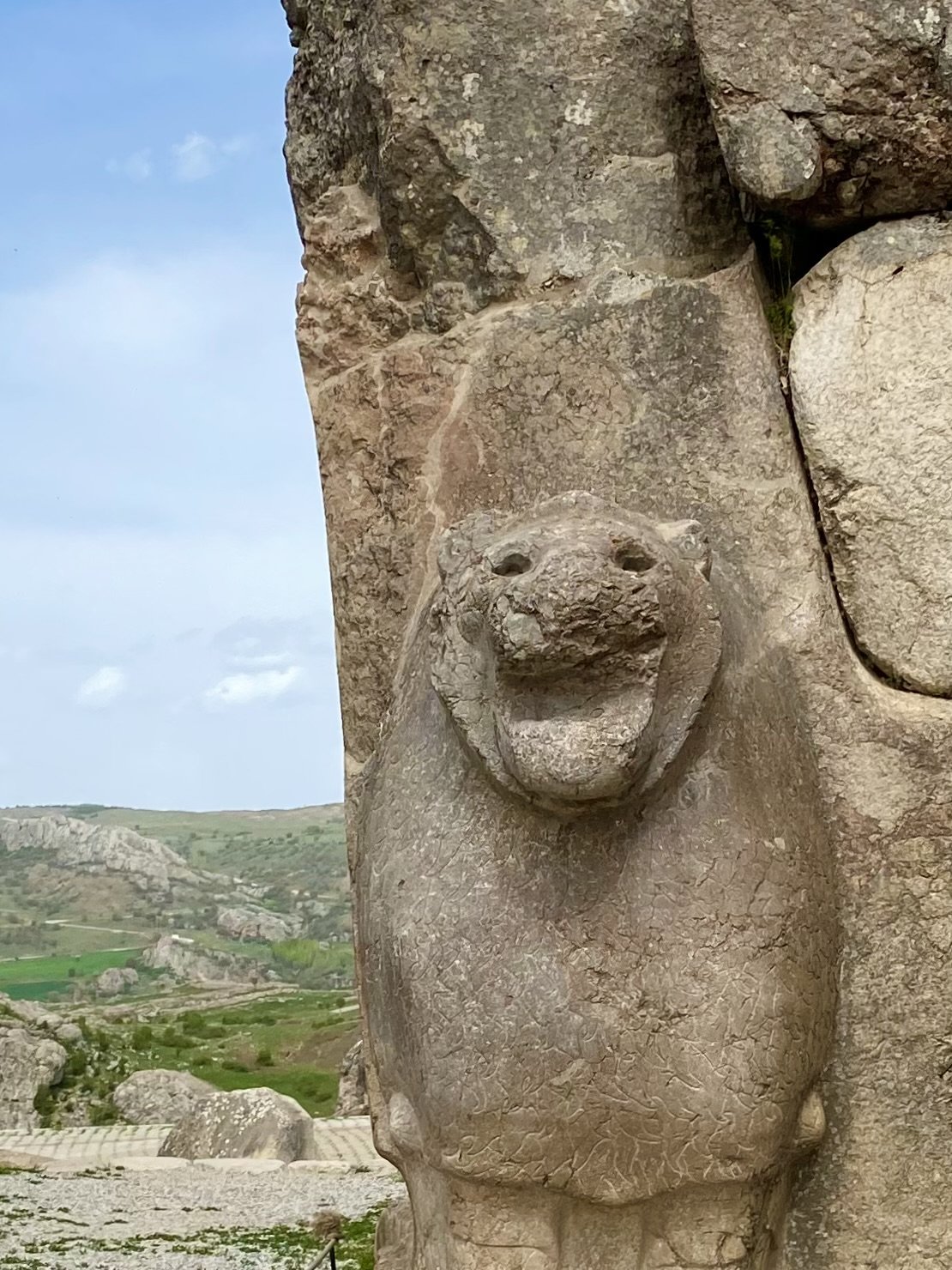
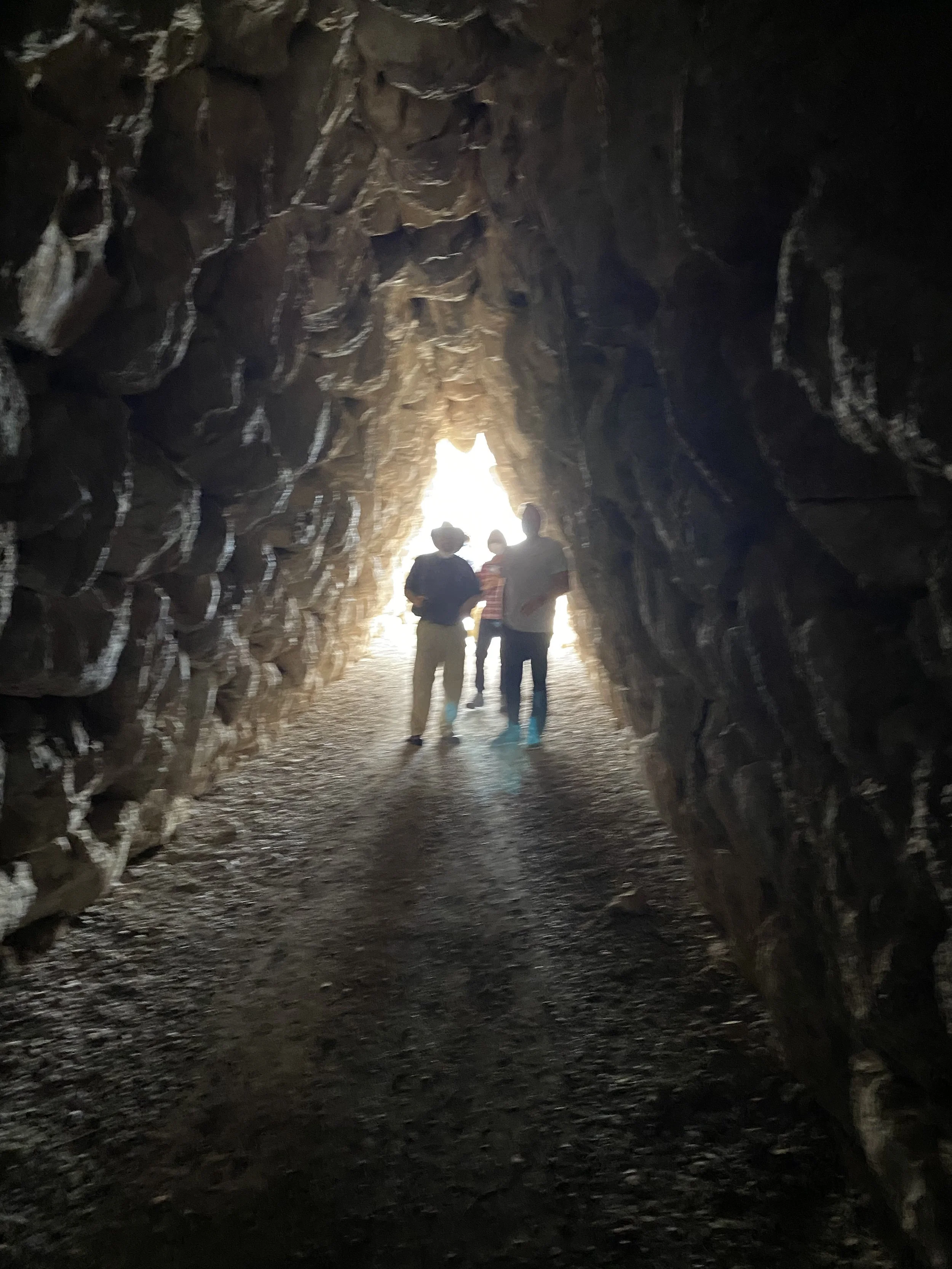
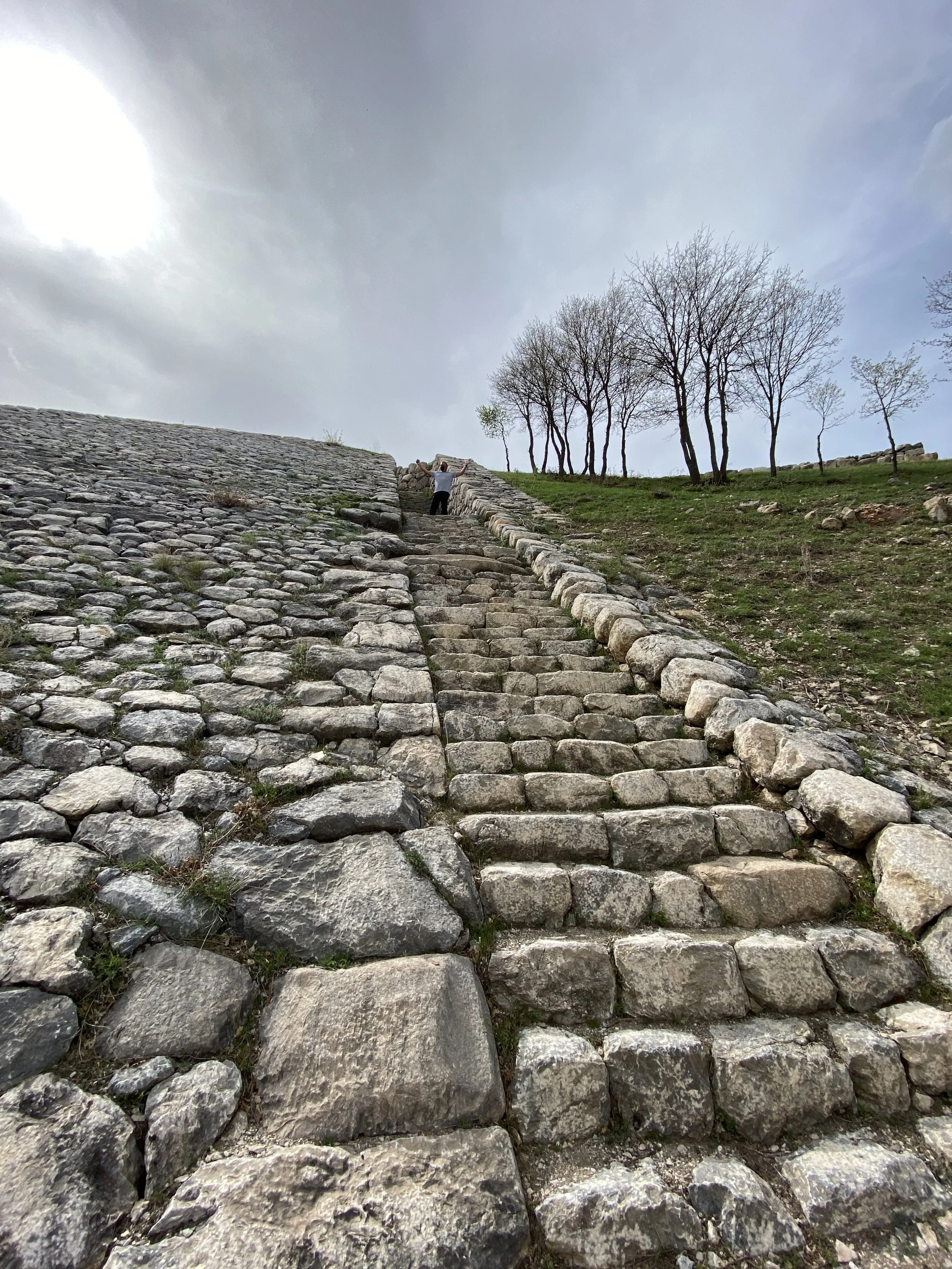
I have vivid memories of looking at pictures of the Hattusa Lion Gate and Sphynx gate and the rock carvings at Yasilikya (near Hattusa) in a history book as a child. What a thrill to see them up close - and they did not disappoint!! The remains of the Hittite capital city are on a sloping section of high Anatolian plateau that is tucked into a bend of the Halys River (Kizilirmak River today). It was completely enclosed by a great city wall with monumental gates and stonework tunnel passage ways. Standing atop the remains of the southernmost upper city, you get a sweeping view of the ancient temple area, the palace area and the lower city. Visiting the site takes more time than we gave it - it is huge!
For believers, the rediscovery of the Hittites is an exciting archeological event that vividly illustrates the historical reliability of the Bible!
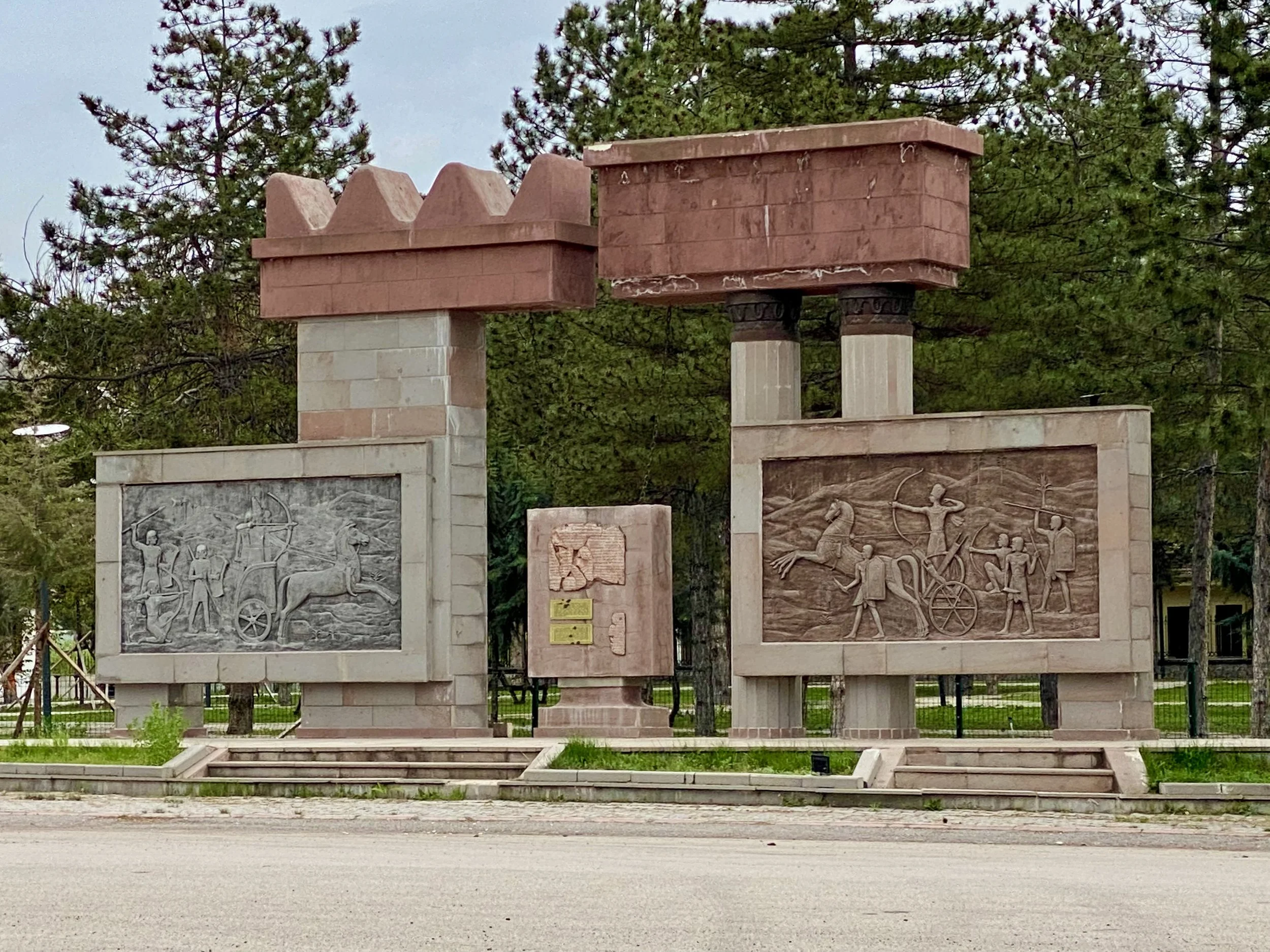
Modern monument to the Hittites outside of the museum at Bogazkale Turkiye, the small village outside of the archeological site of Hattusa. The reliefs show Hittite warriors and the chariots that they were famous for and the center commemorates the vast cuneiform inscribed tablets found at the site.