Ancient Isthmia Greece
“Do you not know that in a race all the runners run, but only one receives the prize? So run that you may obtain it. Every athlete exercises self-control in all things. They do it to receive a perishable wreath, but we an imperishable. So I do not run aimlessly; I do not box as one batting the air. But I discipline my body and keep it under control, lest after preaching to other I myself should be disqualified.” 1 Corinthians 9:24-27
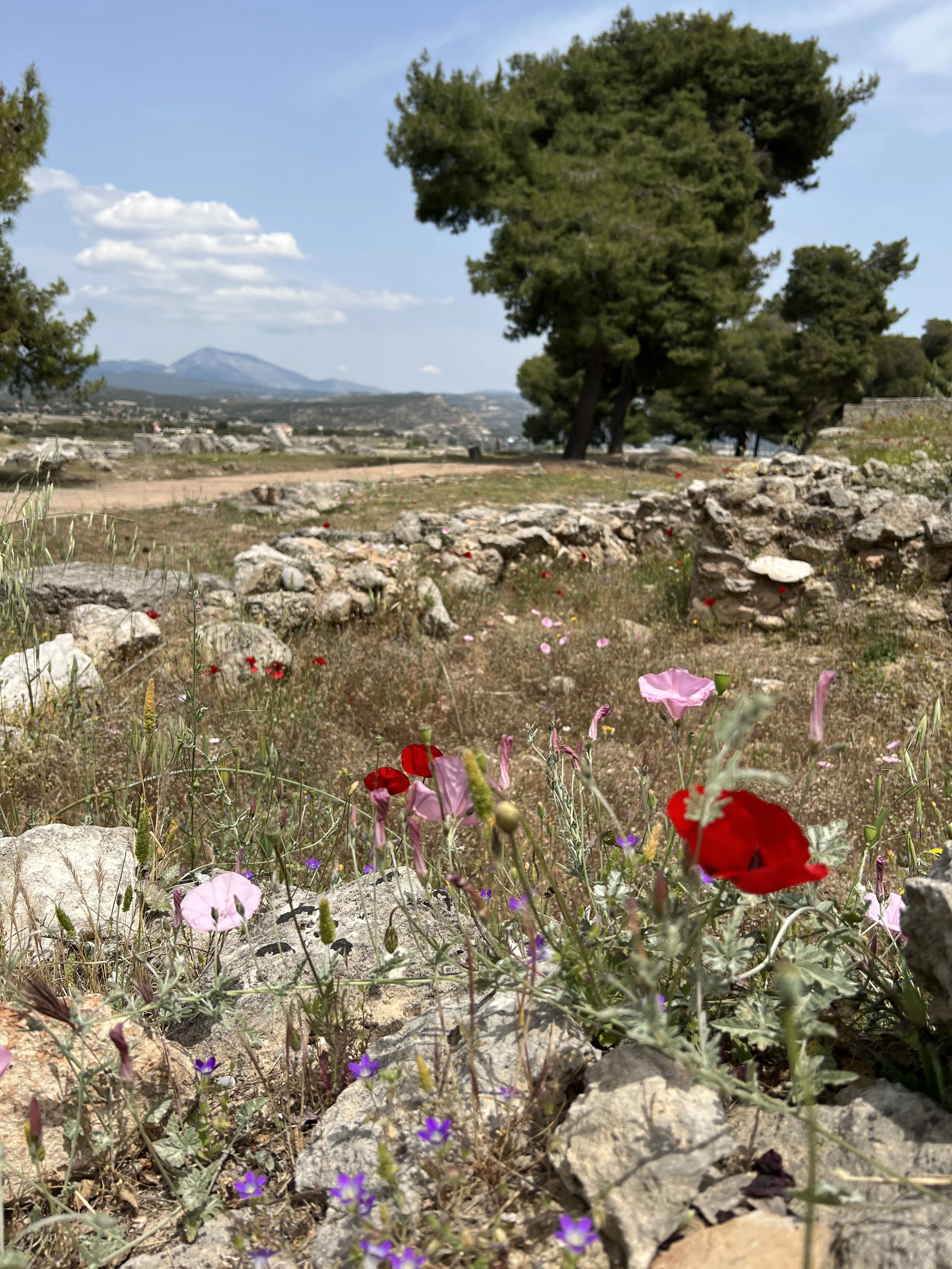
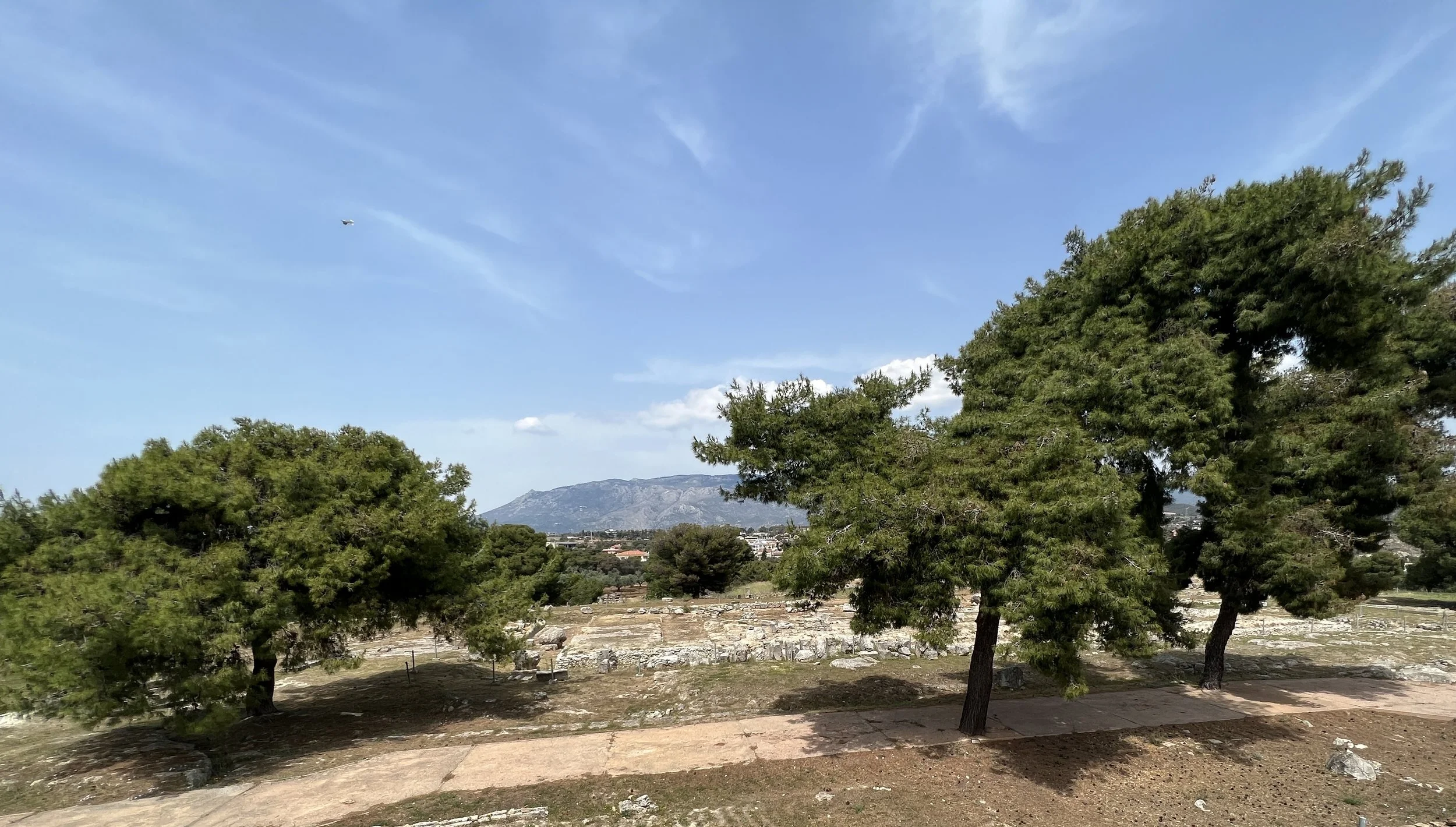
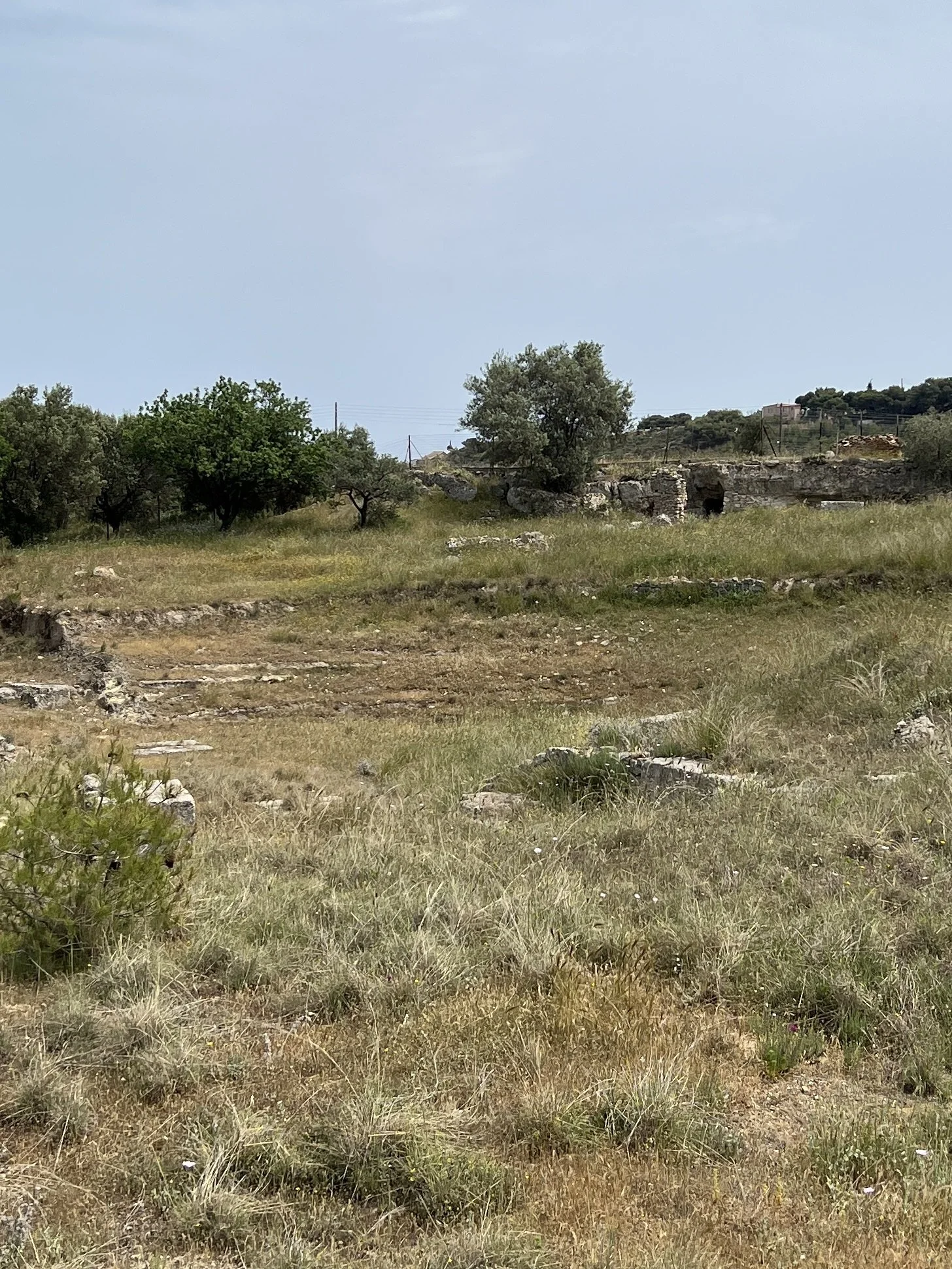
The Apostle Paul used sports metaphors regularly in his letters to describe the Christian life of striving to put aside sin as a response to the victory won for us by Christ. No doubt these metaphors particularly struck a cord with the believers in Corinth where one of the most important semi annual games, the Isthmian Games, were held at the Sanctuary of Poseidon, Isthmia. Isthmia is just 3 or 4 miles from Corinth where Paul stayed for about 18 months. Olympia, home of the Olympic Games, is 120 miles away and Delphi, home of the Pythian games, is about 100 miles away. We found this to be a quiet and less visited archeological park with a beautiful little museum. Definitely worth stopping if you are visiting Corinth and the port of Cenchrae.
The Isthmian games (sports, poetry, singing, horse racing, etc) were held in ancient times until 146 BC when the city of Corinth was destroyed by the Romans. In AD 40, after the Romans re-built the area, the Isthmian games came back to Corinth. Paul’s time in Corinth would likely have overlapped one of the games. The games brought people and business to the Corinth area and certainly would have provided work for leather workers / tent makers.
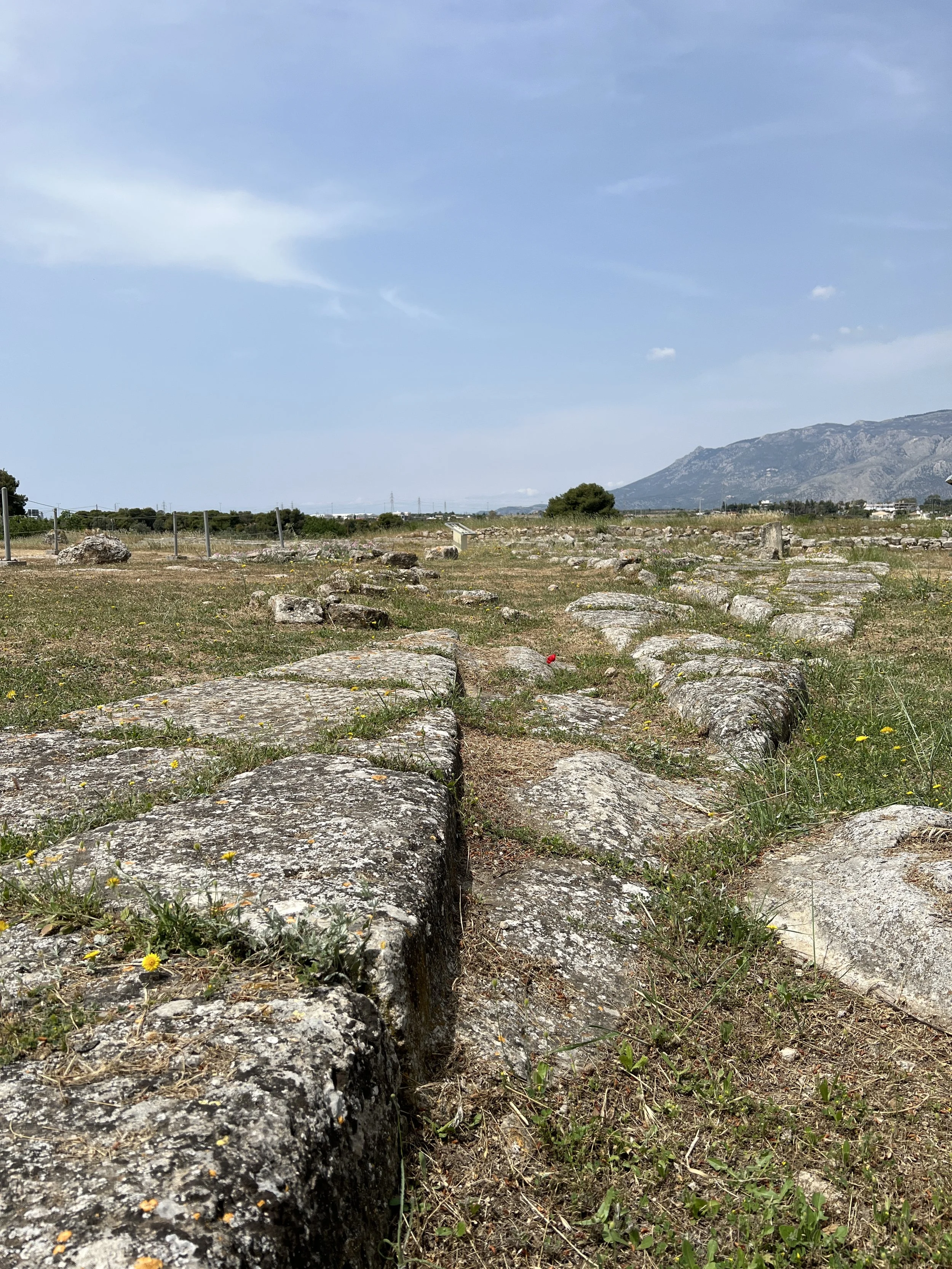
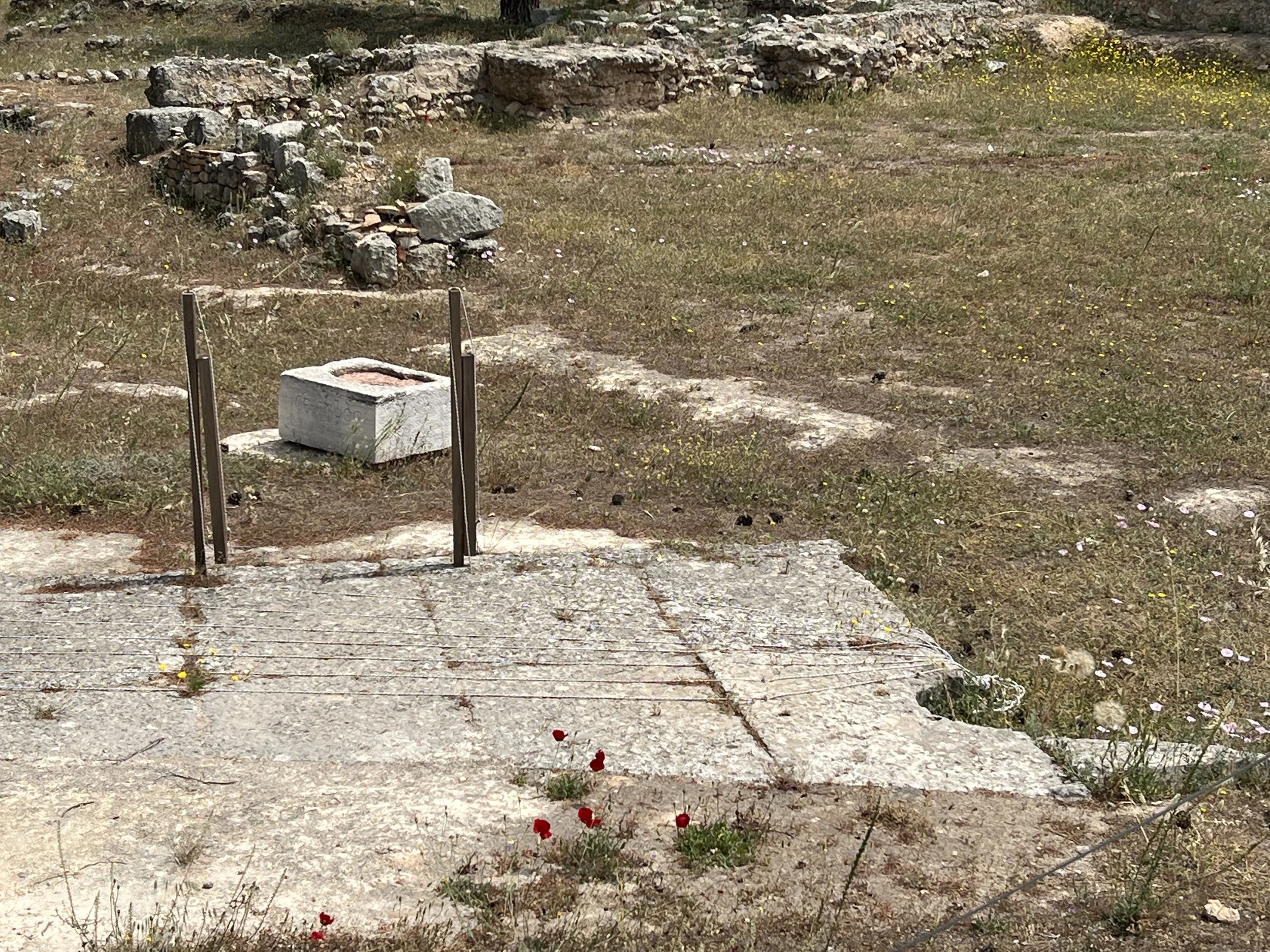
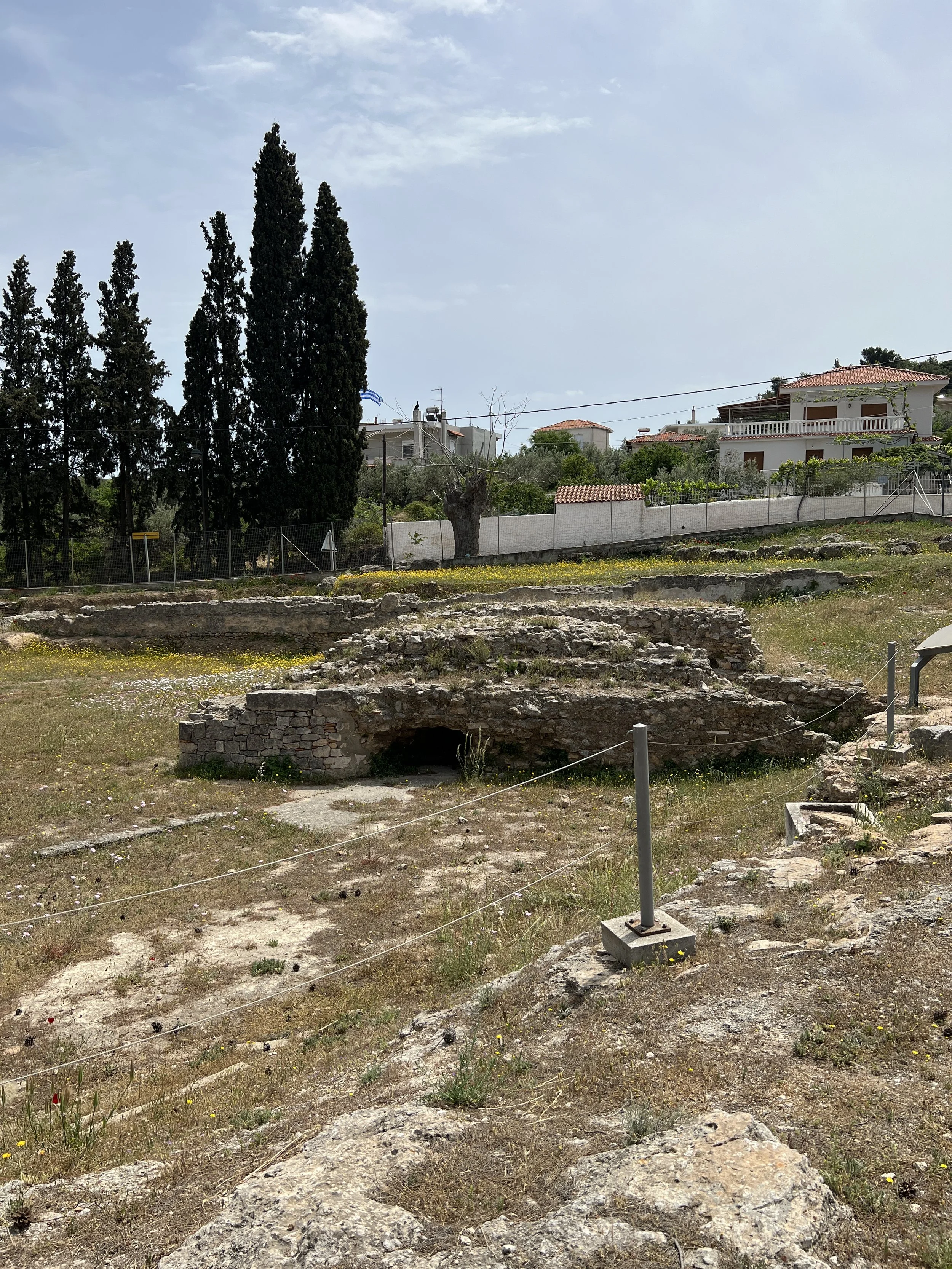
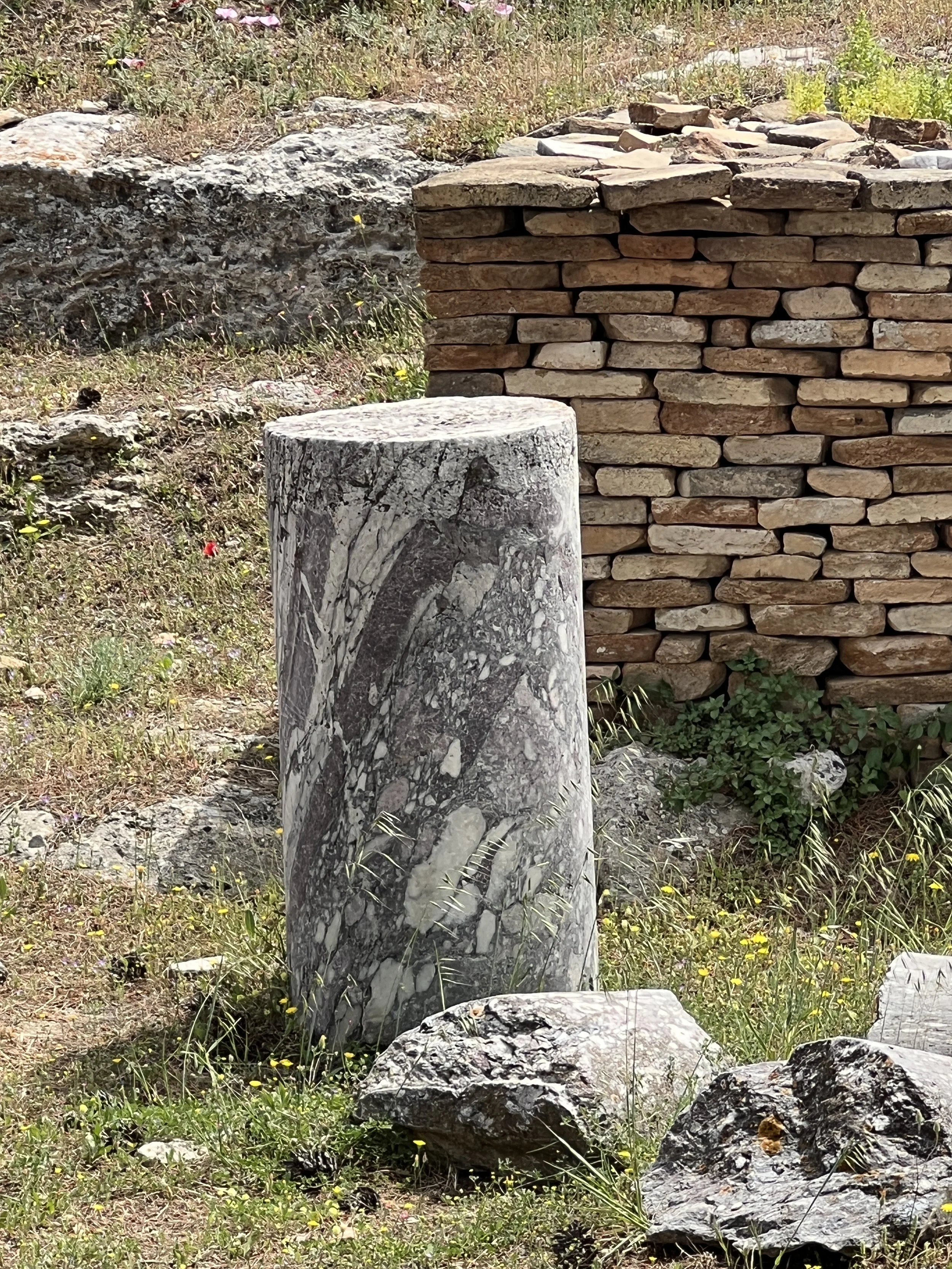
The remains of the Sanctuary of Poseidon at Isthmia date from the 700’s BC. It included temples to other pagan gods such as Cyclopes (Poseidon’s son). Remains excavated here include vessels and bones indicating sacrifices. The baths have restored mosaic floors depicting ocean creatures, Tritons carrying sea nymphs (nereids), and geometric designs. The remains of a starting gate mechanism (Hysplex) for a foot race are visible.
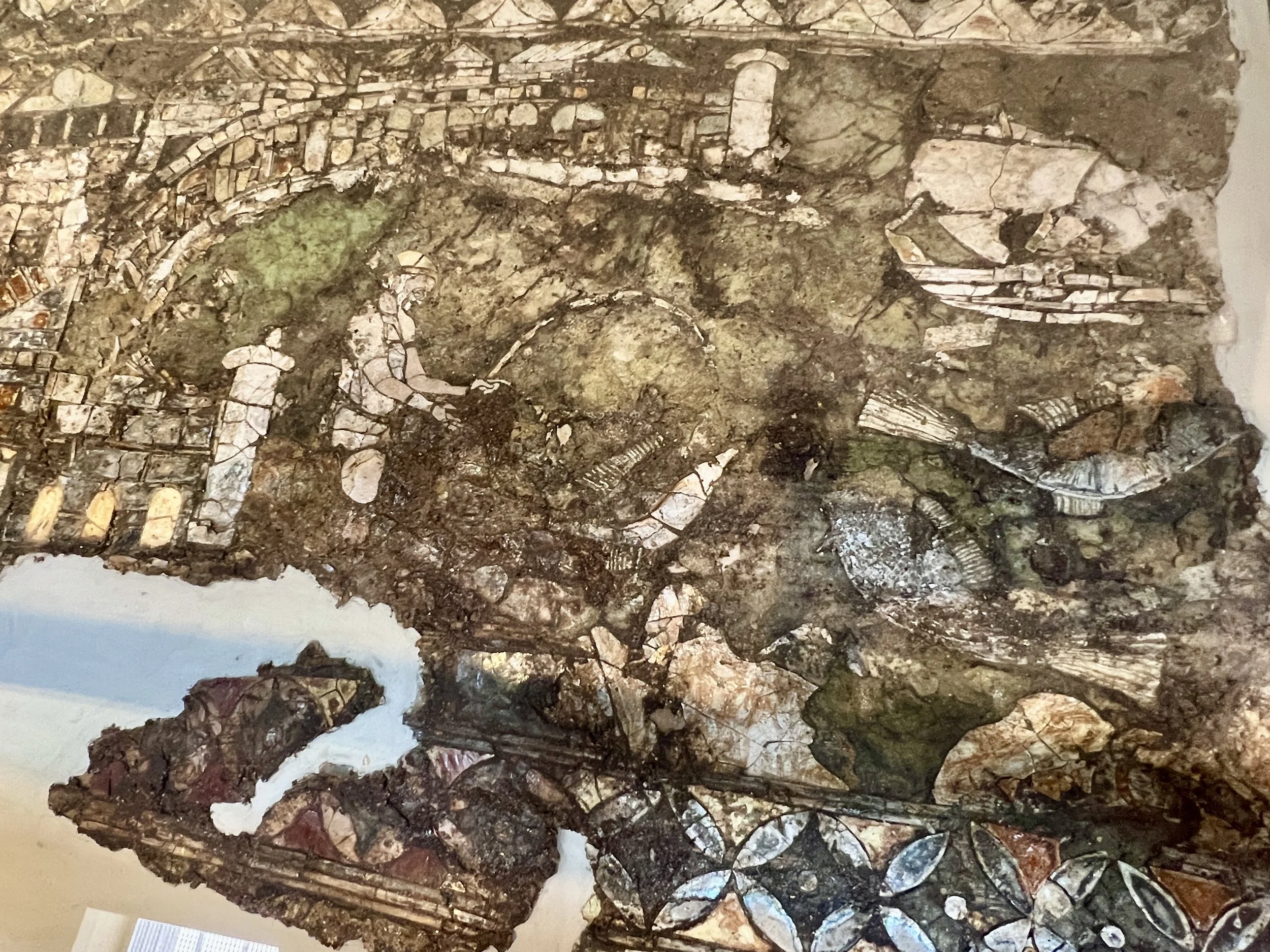
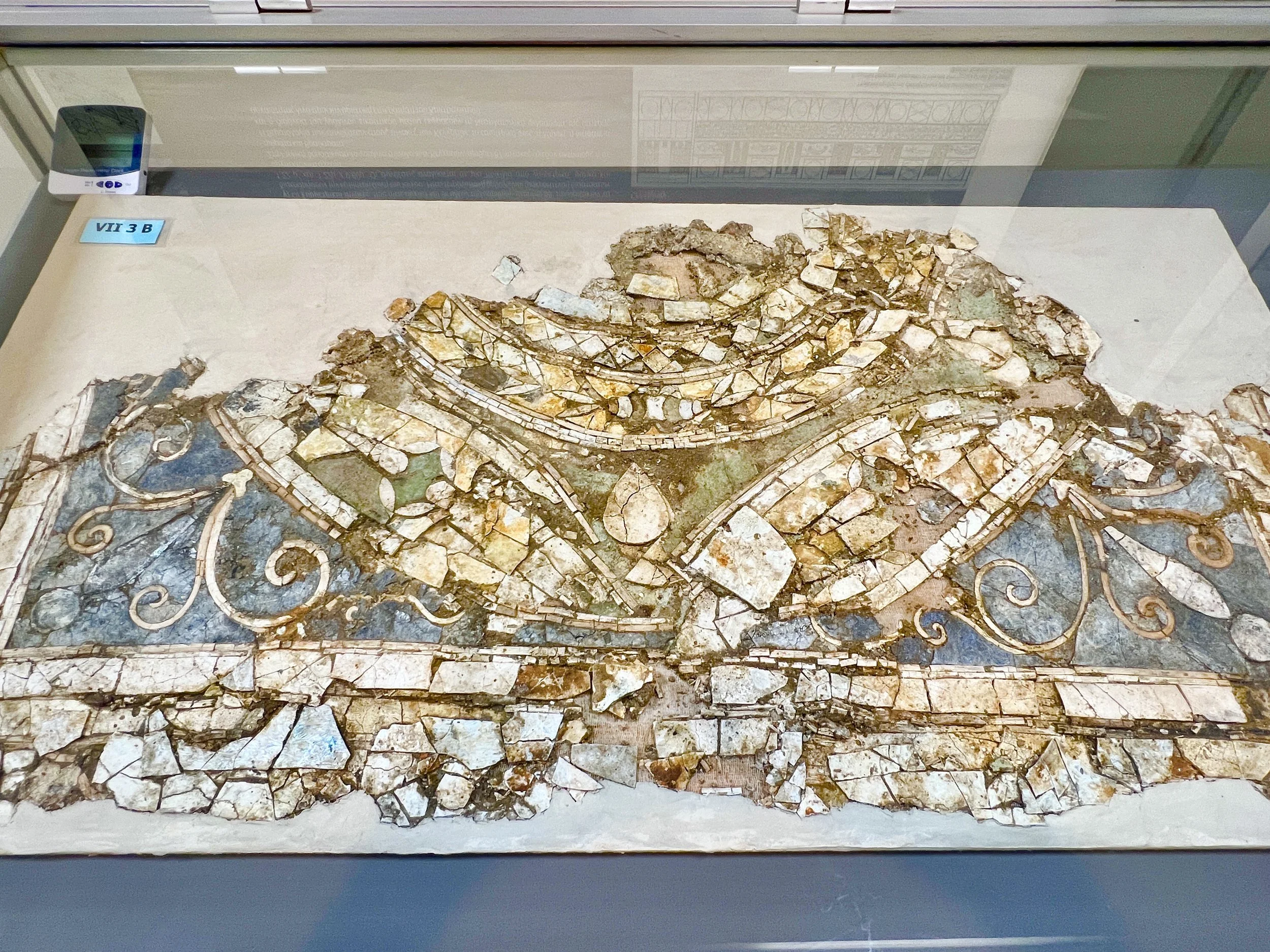
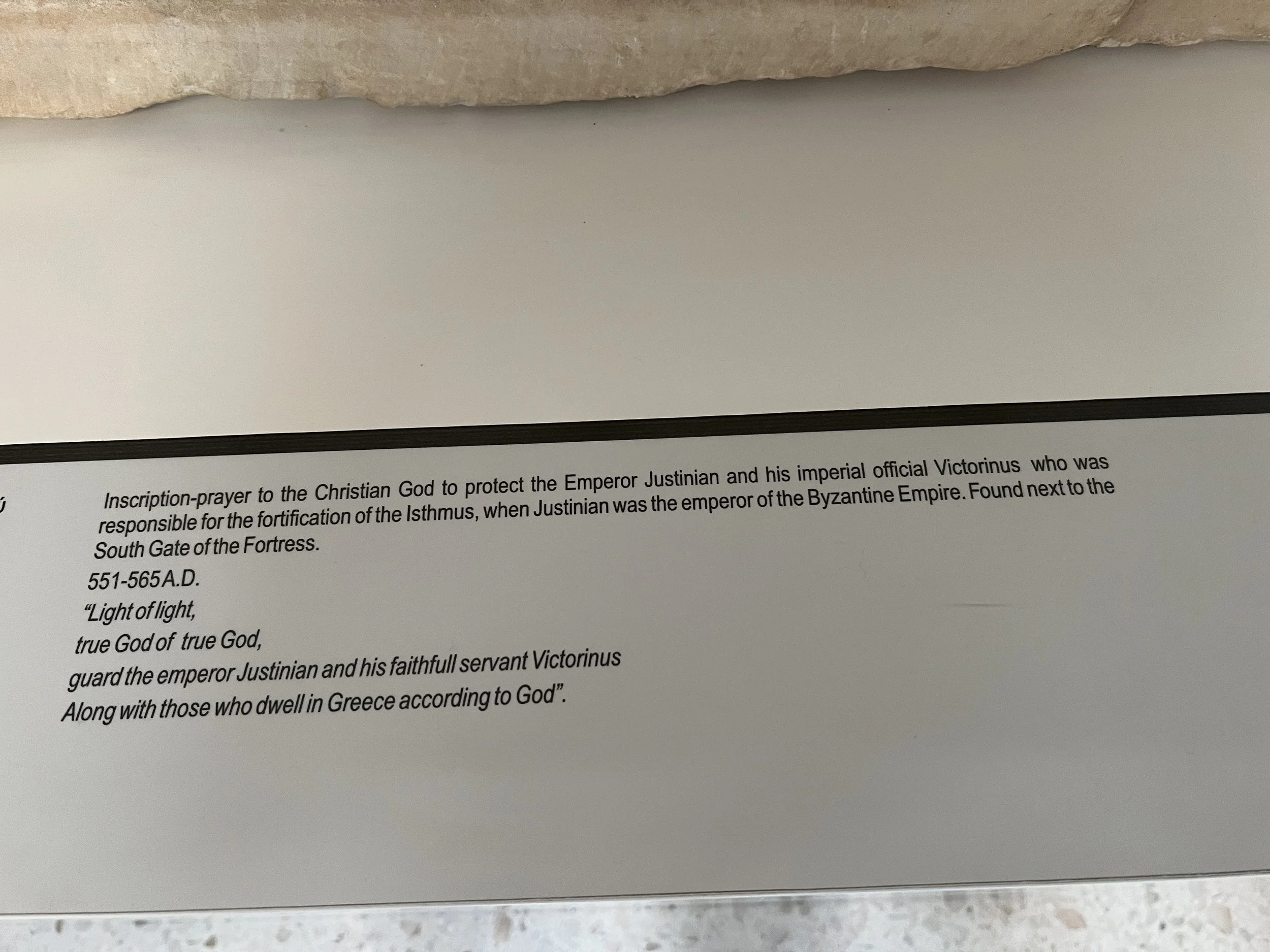
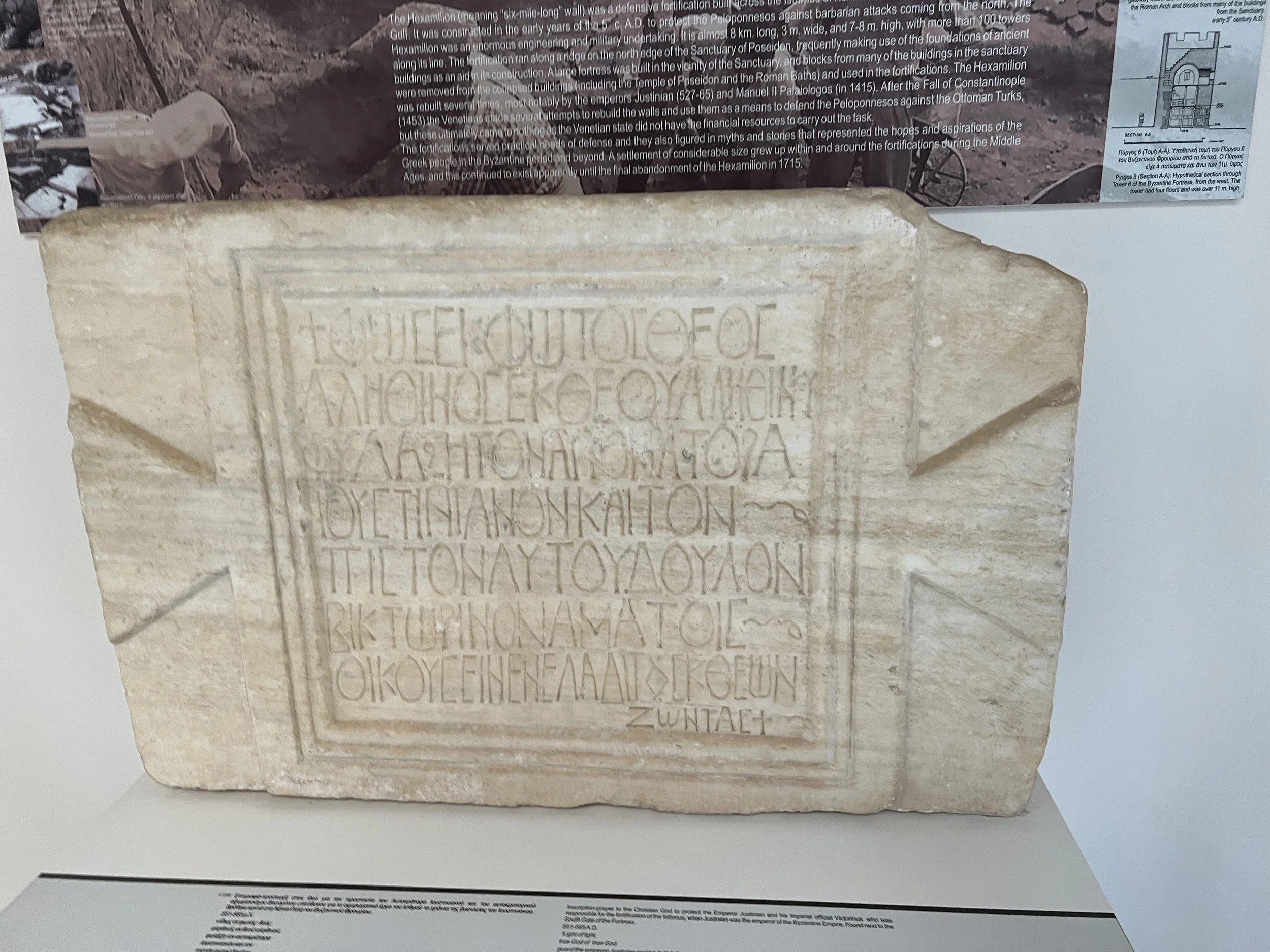
The small museum on site has on display colored glass mosaic panels depicting the near by port of Cenchreae as it was in the mid 4th century AD. These glass panels were lost in the bay at Cenchrae in a ship wreck that was subsequently excavated. Some of the restoration work was done in Toledo Ohio, the glass city! There are statues depicting successful Isthmian game competitors in sport and musical competitions. Some inscriptions are on display from the later Christian era around Corinth.
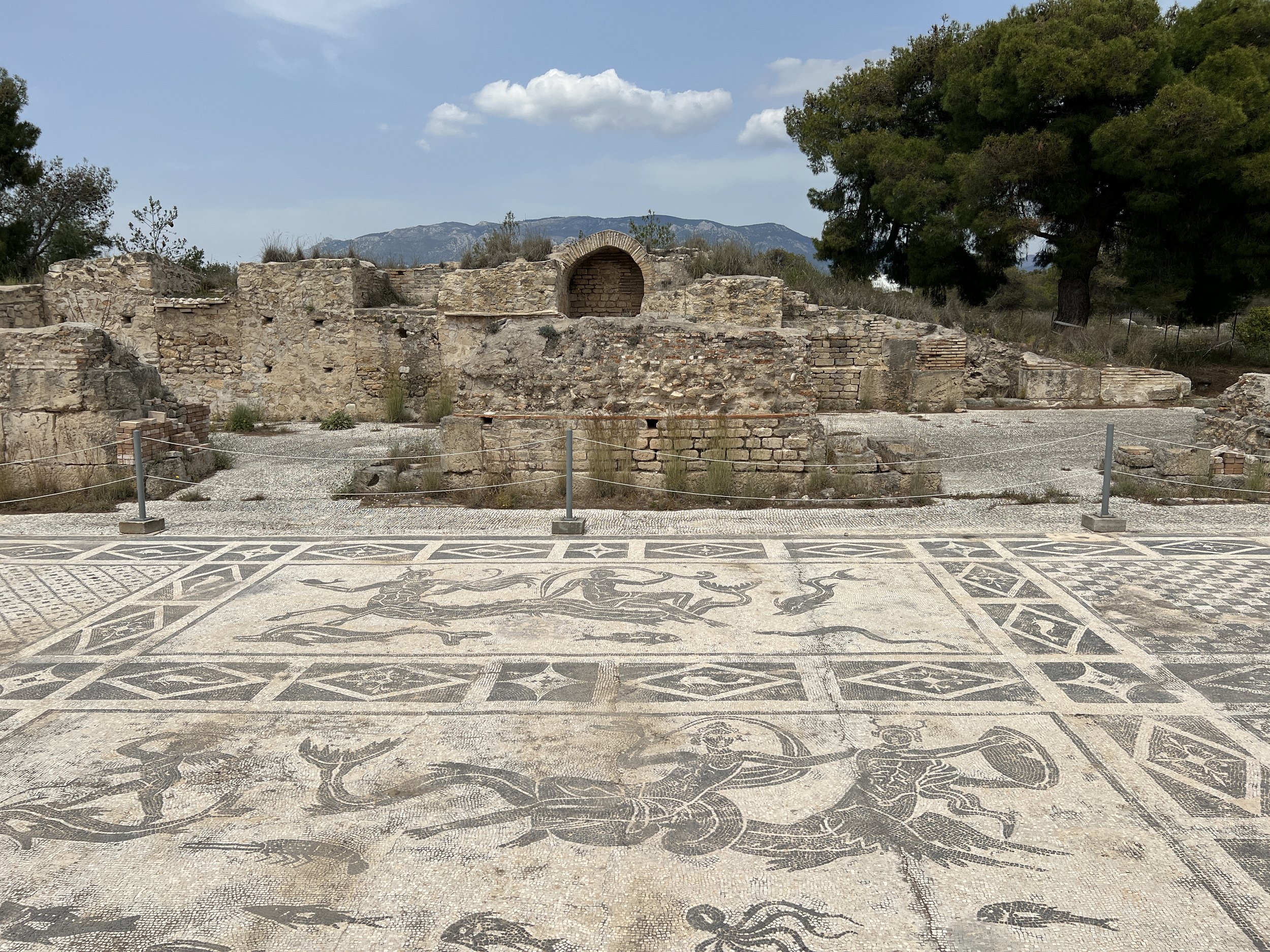
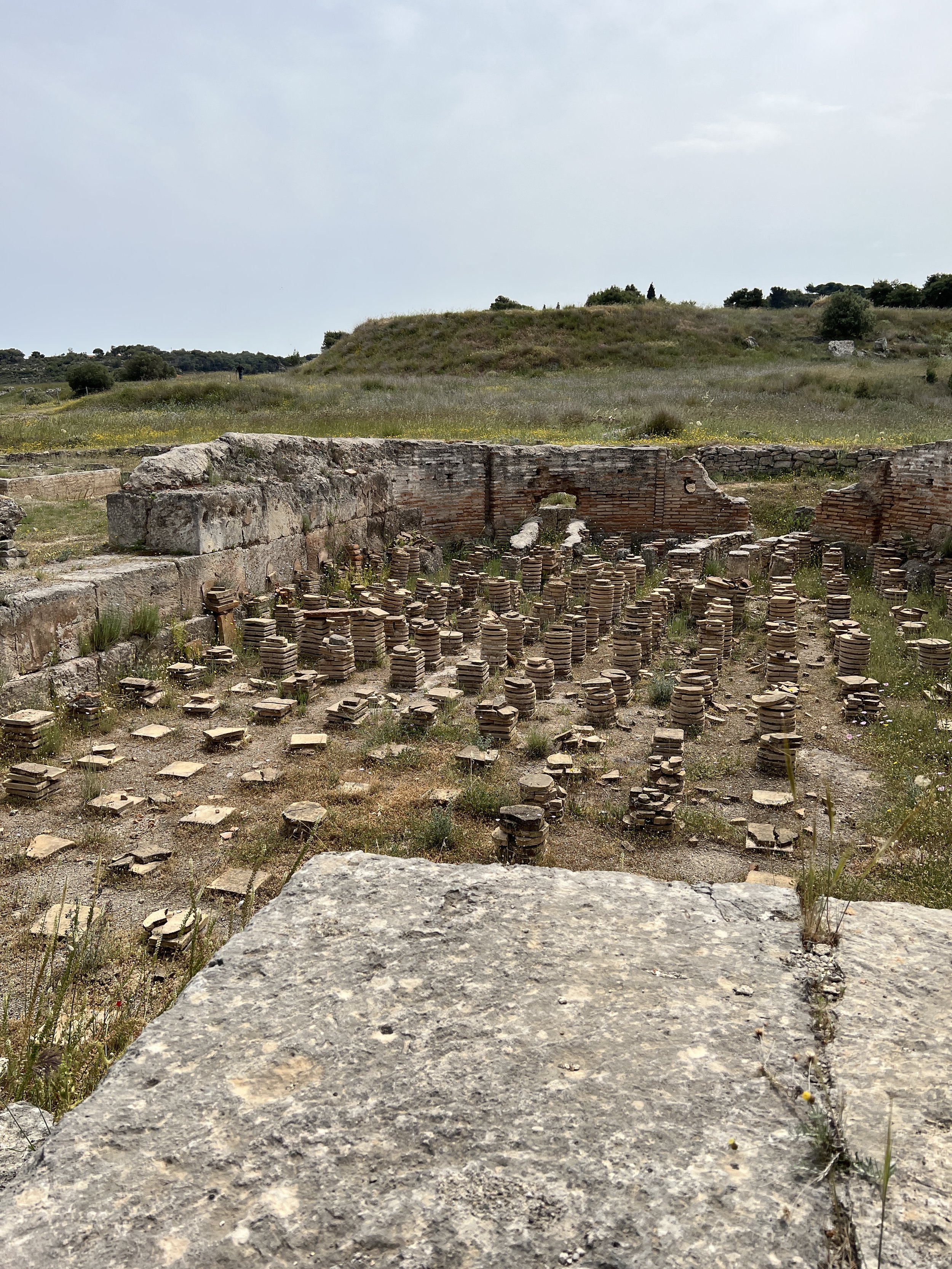
Isthmia Greece: 2nd c AD Roman Bath which was built over a similar 4th century BC Greek structure. The more Ancient Greek pool was 98 feet on a side and 7 feet deep!
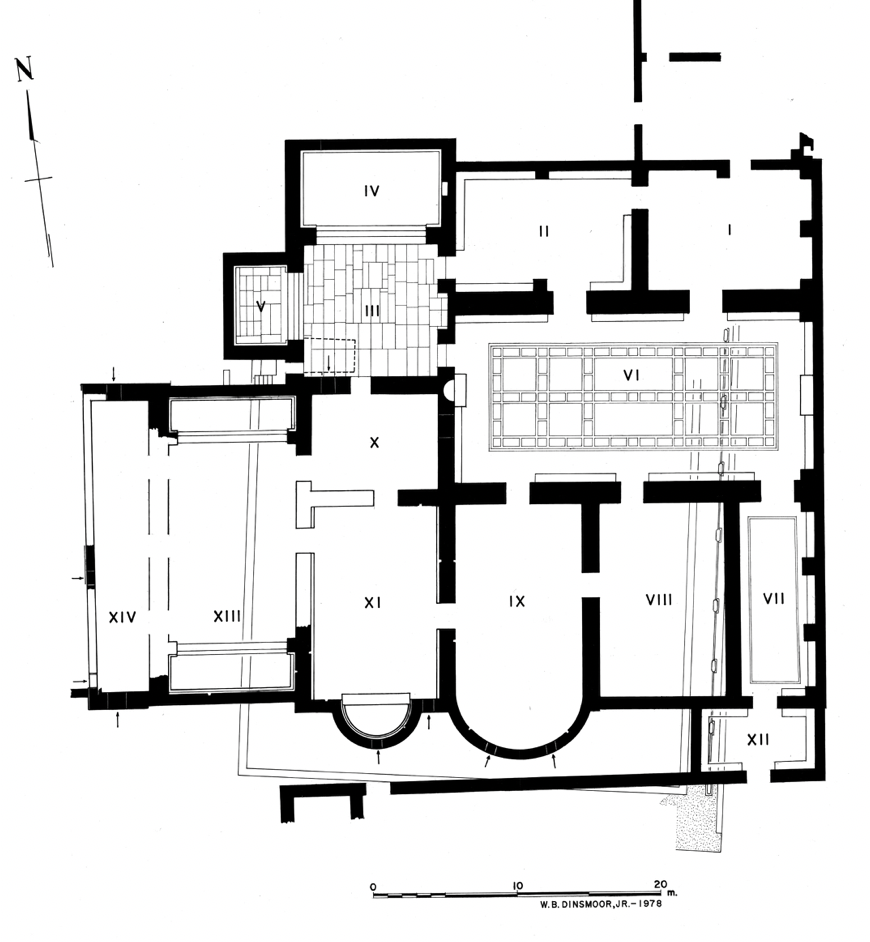
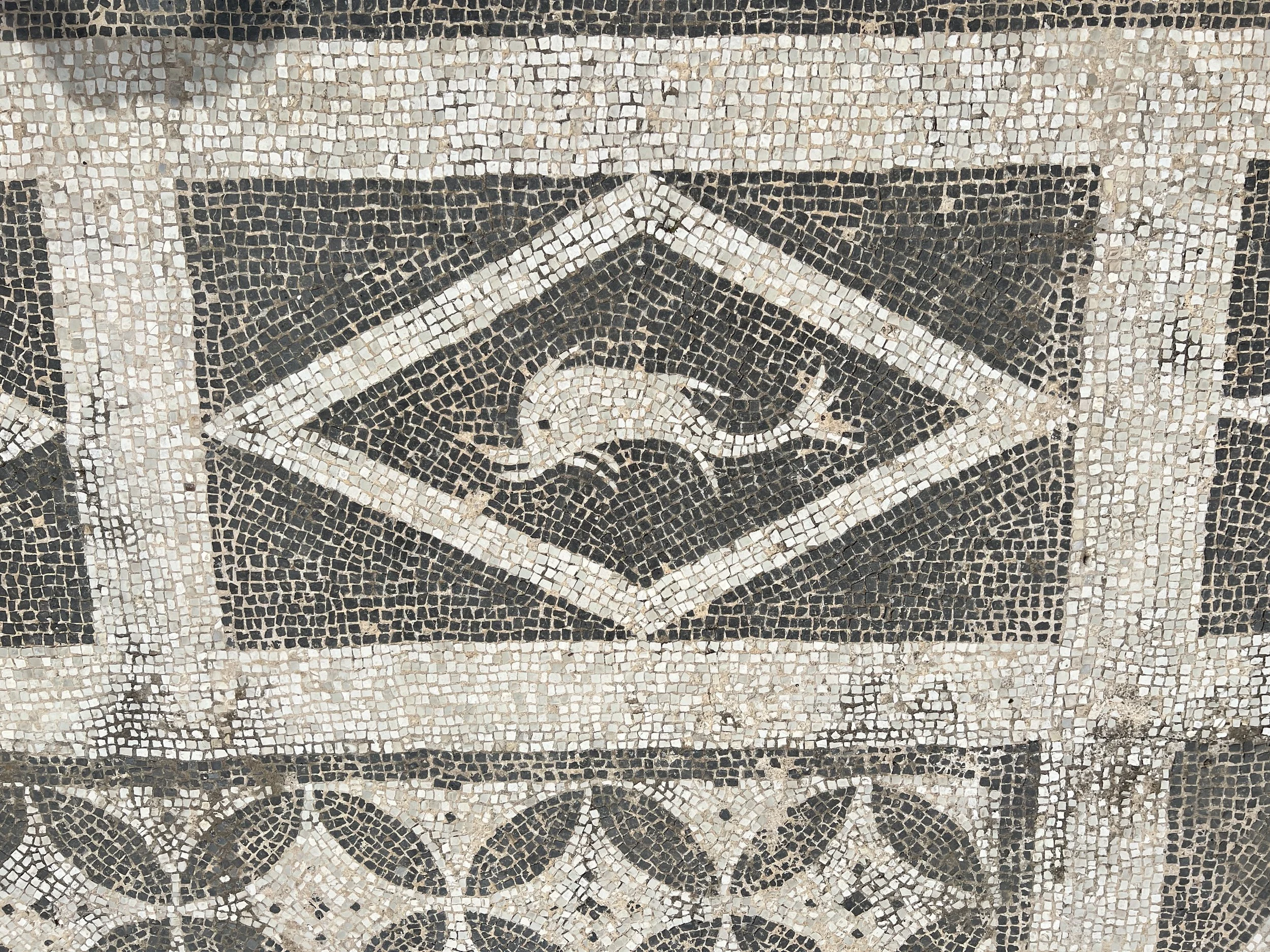
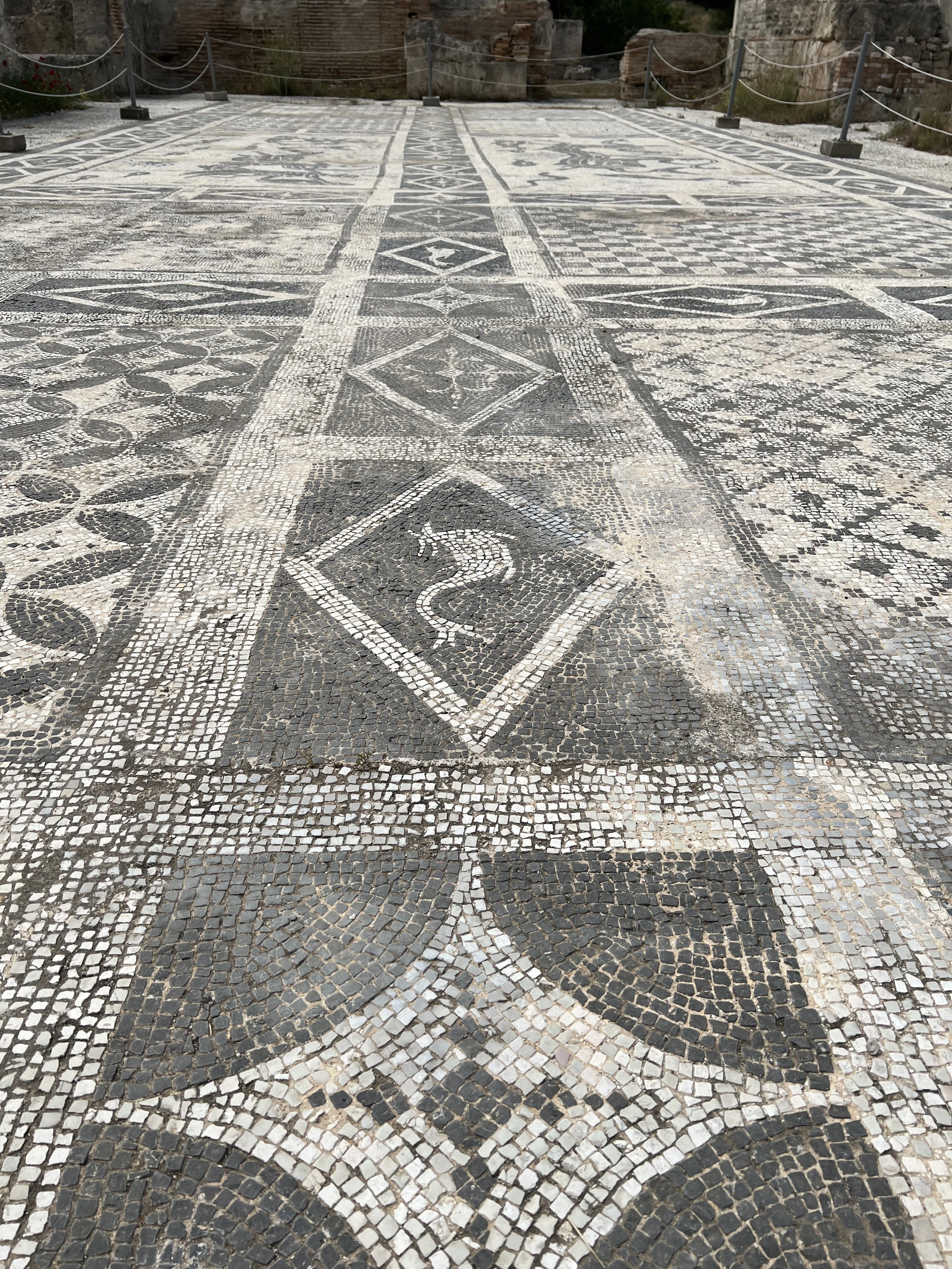
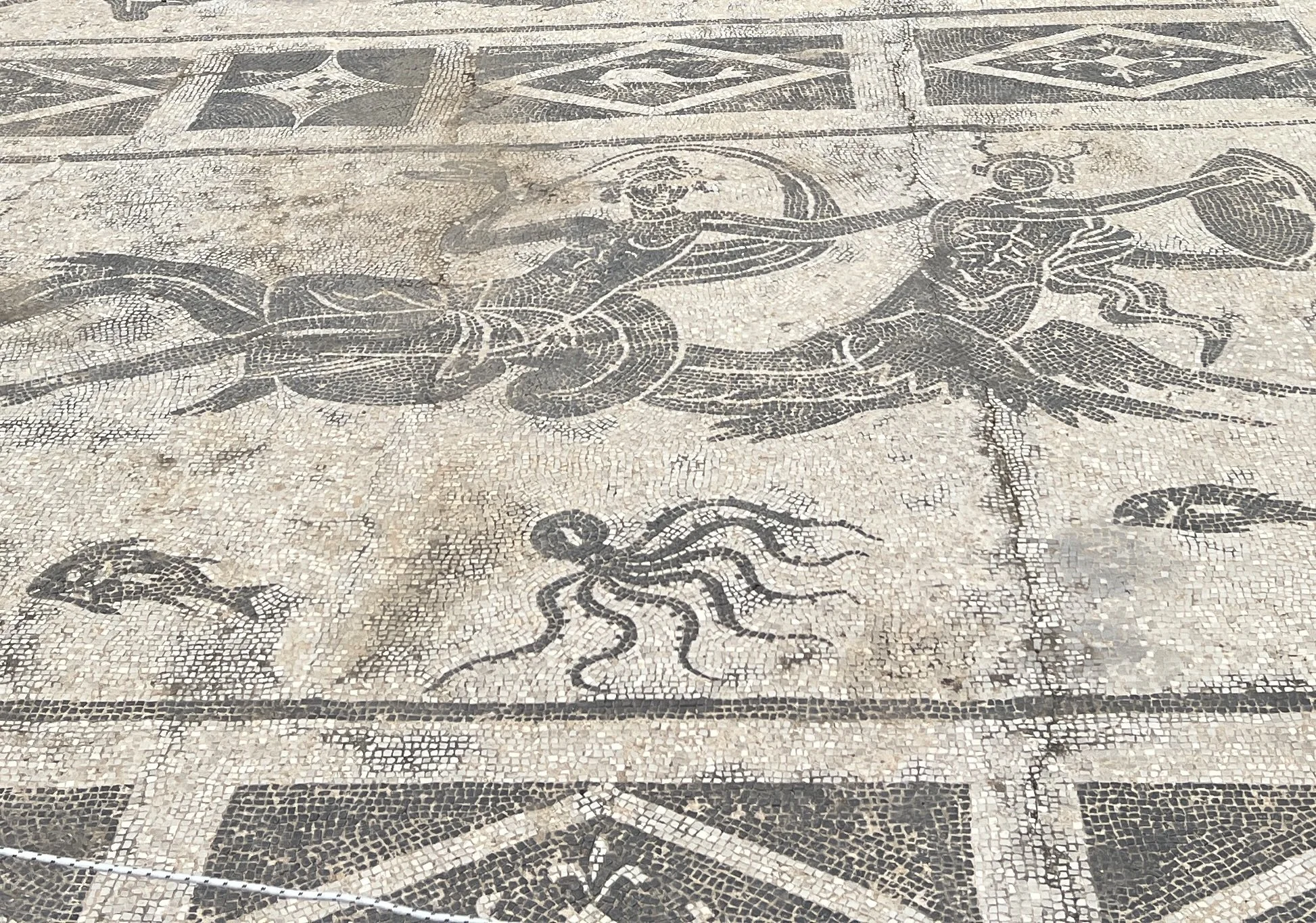
The bath mosaic floors depict sea gods with the head of a man and body of a dolphin (Tritons) and Nereids (sea nymphs)
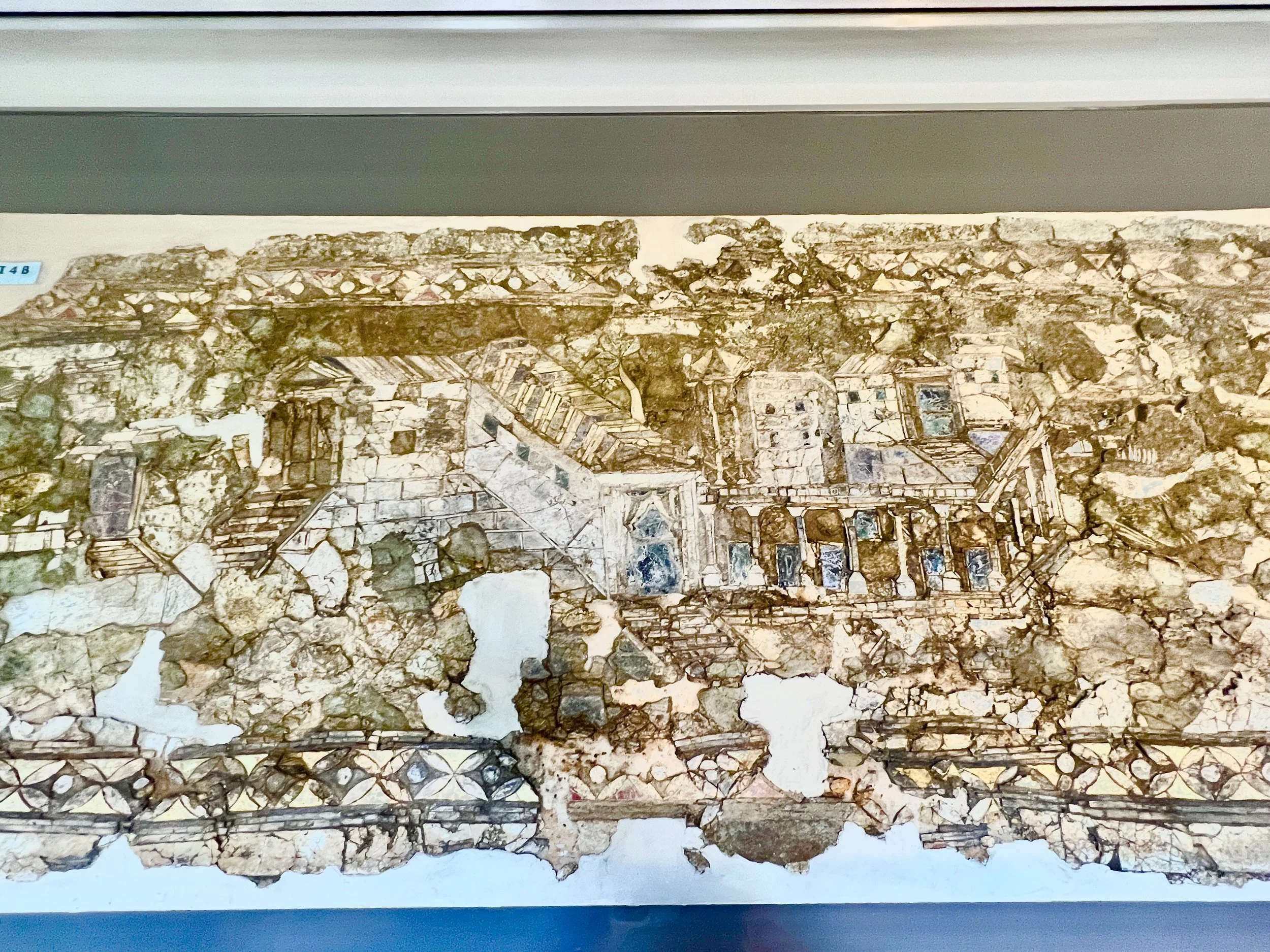
The Isthmia museum has glass mosaic from the 300’s AD depicting the near by port of Cenchreae (Romans 16:1) as it looked then, which must have been close to how it was in Paul’s day.