Tres Fontaine, Rome Italy
“For I am already being poured out as a drink offering, and the time of my departure has come. I have fought the good fight, I have finished the race, I have kept the faith.” 2 Timothy 4:6-7
Paul is reflecting on the coming end of his ministry. The Bible doesn’t tell us exactly how or when Paul’s life ended. Most scholars think Paul was executed by beheading during the Nero persecutions, and this is what early church fathers record in the first 100 - 200 years after the time of Paul:
~ How happy is its church, on which apostles poured forth all their doctrine along with their blood!—where Peter endures a passion like his Lord's!—where Paul wins his crown in a
death like John's!" Prescription Against Heretics Tertullian late 2nd century AD
~”It is, therefore, recorded that Paul was beheaded in Rome itself, and that Peter likewise was crucified under Nero". Eusebius “Church History” 290’s AD
~“That Peter is struck, that Stephen is overwhelmed by stones, …that James is slain as is a victim at the altar, that Paul is beheaded has been written in their own blood.” Tertullian Scorpiace. 203-212 AD
~”…he (Paul) gave his testimony before the rulers, and thus passed from the world and was taken up into the Holy Place, — the greatest example of endurance." Clement. 96 0f 97 AD
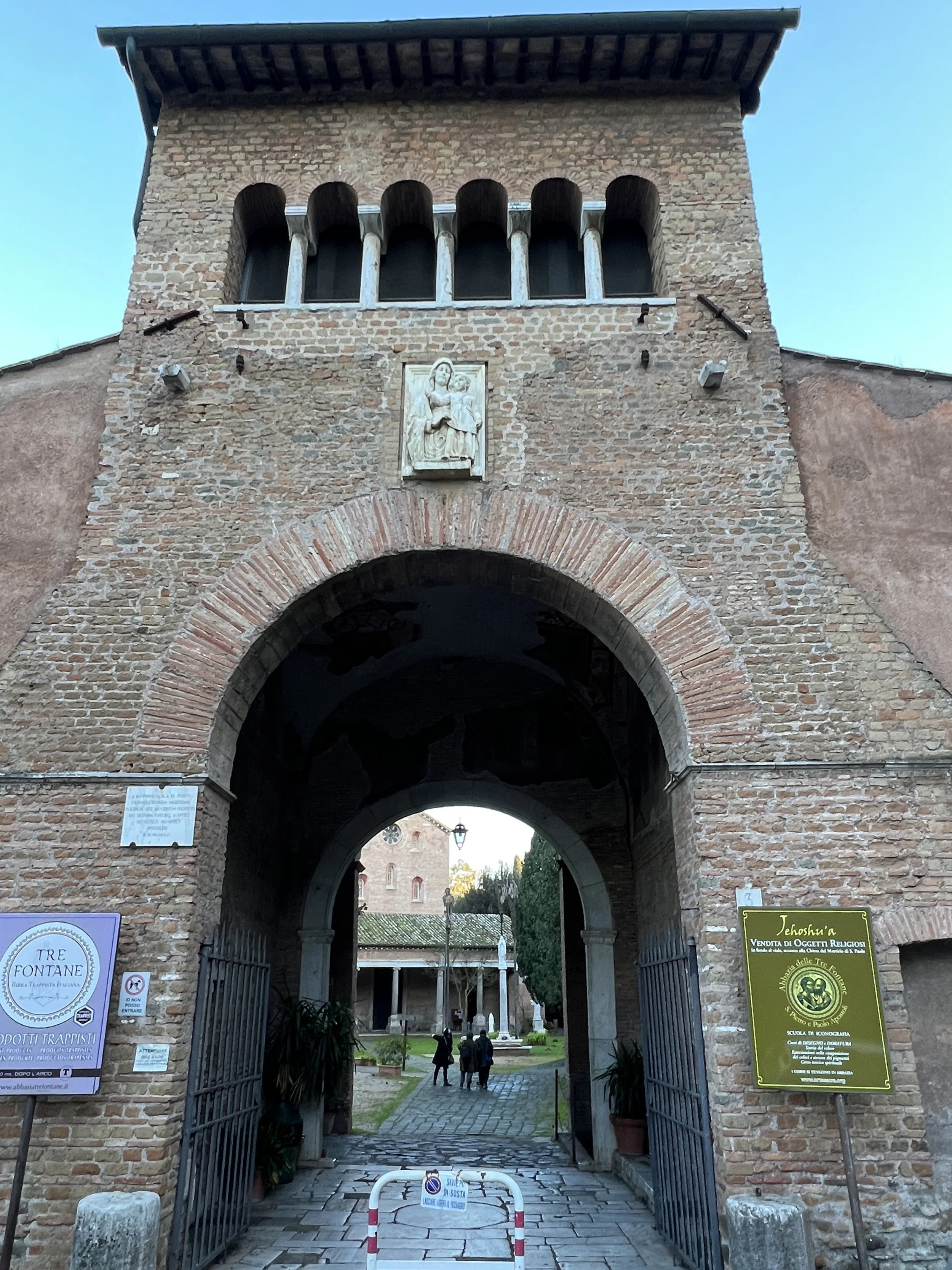
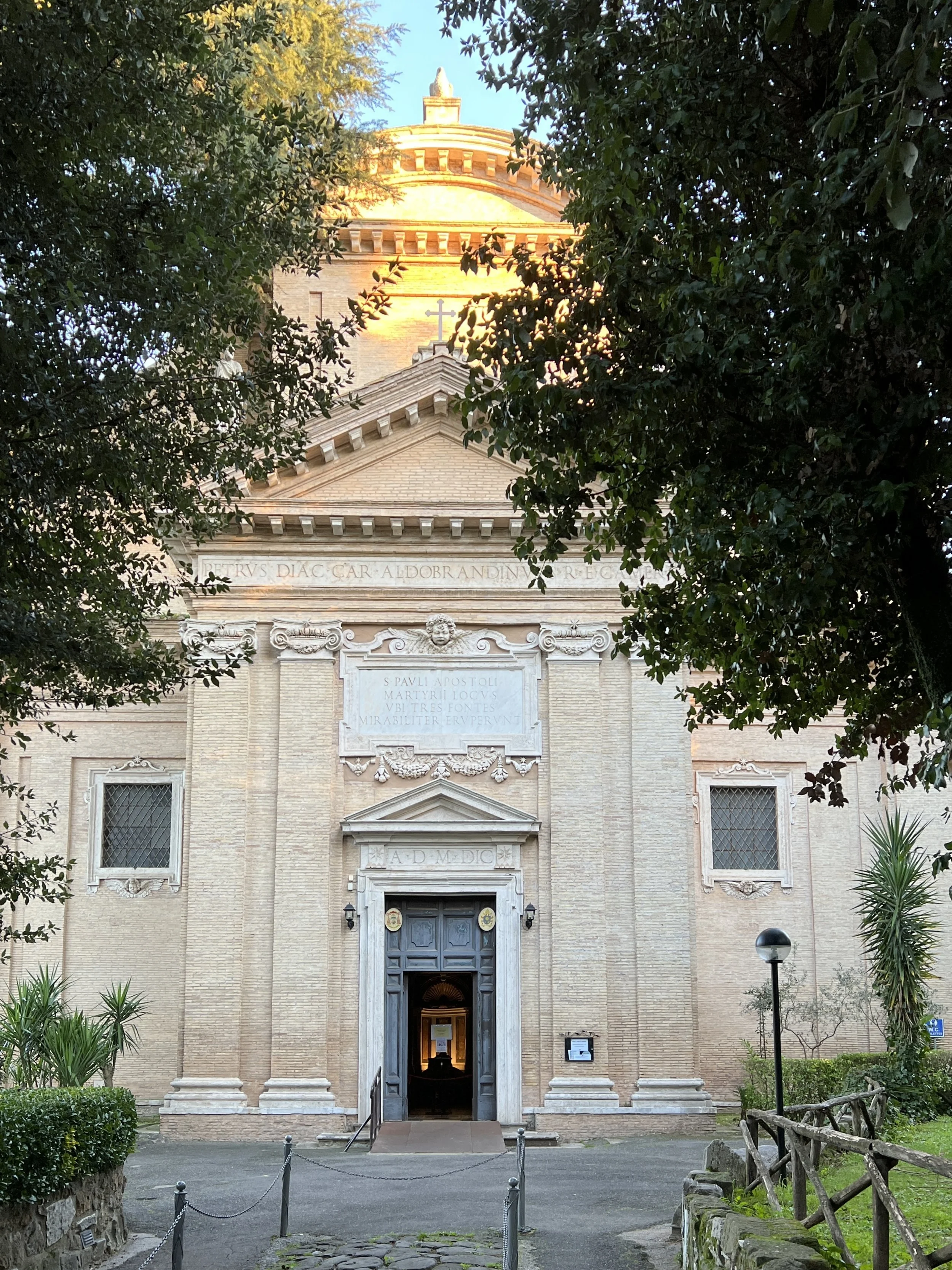
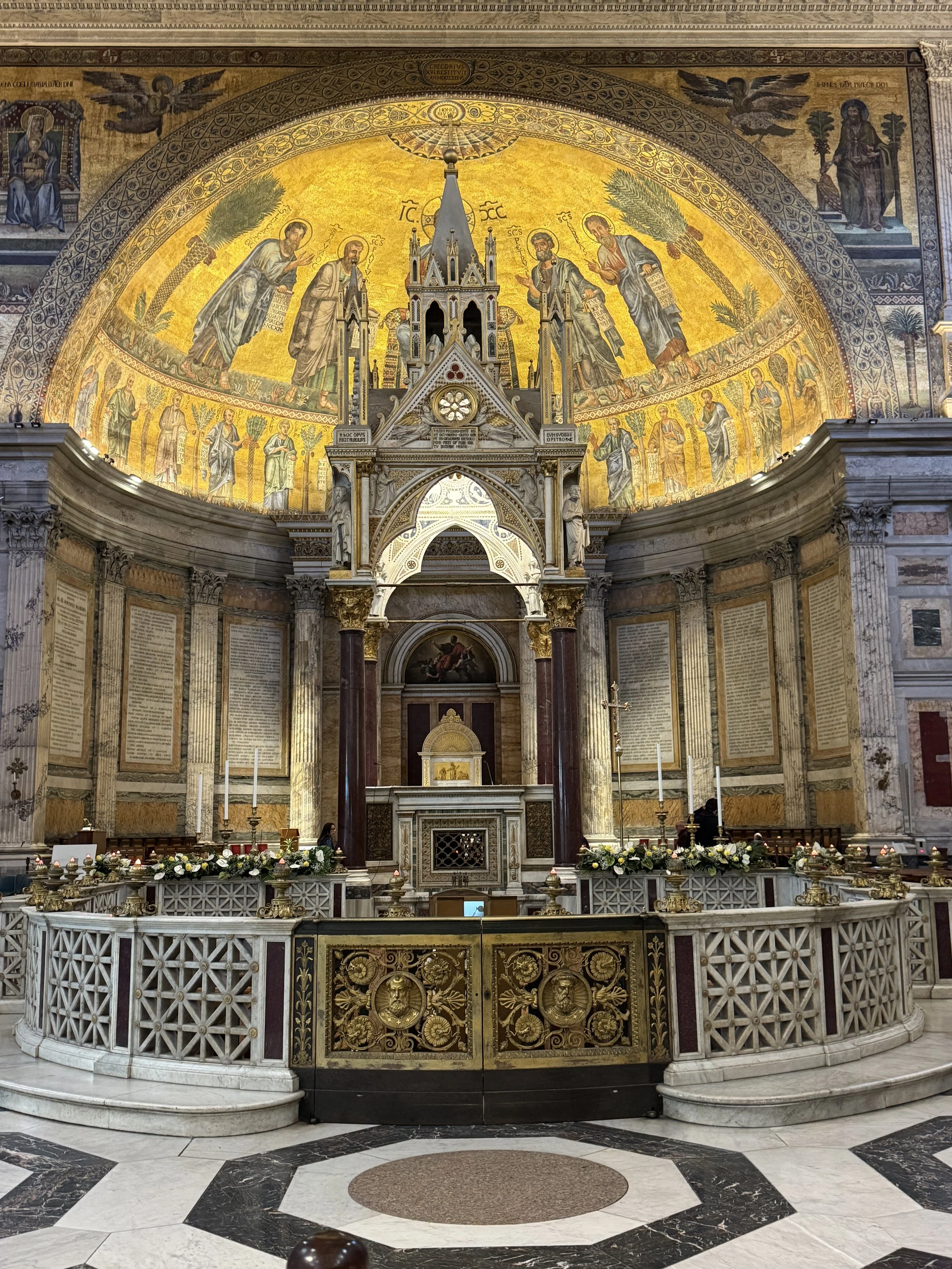
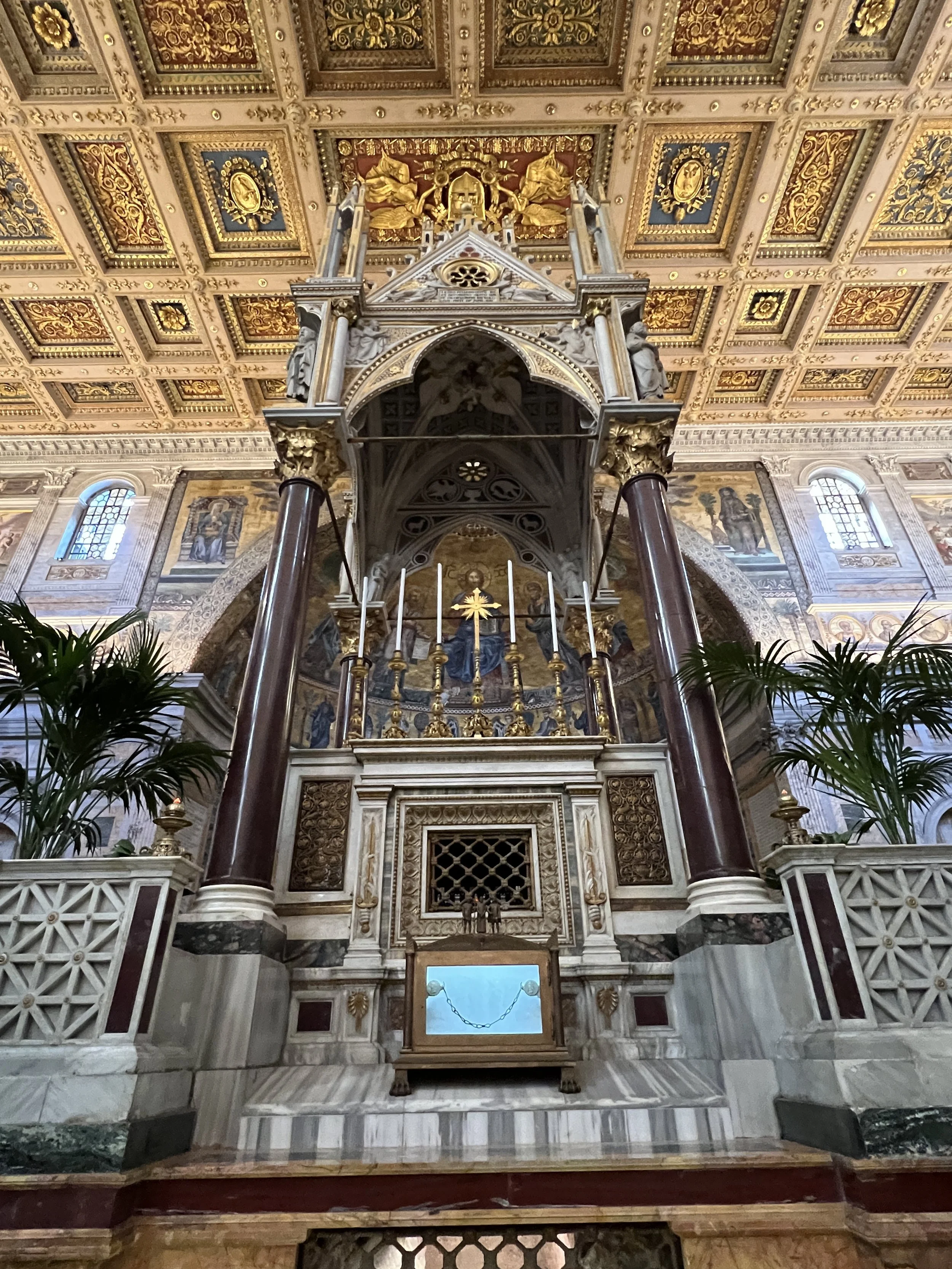
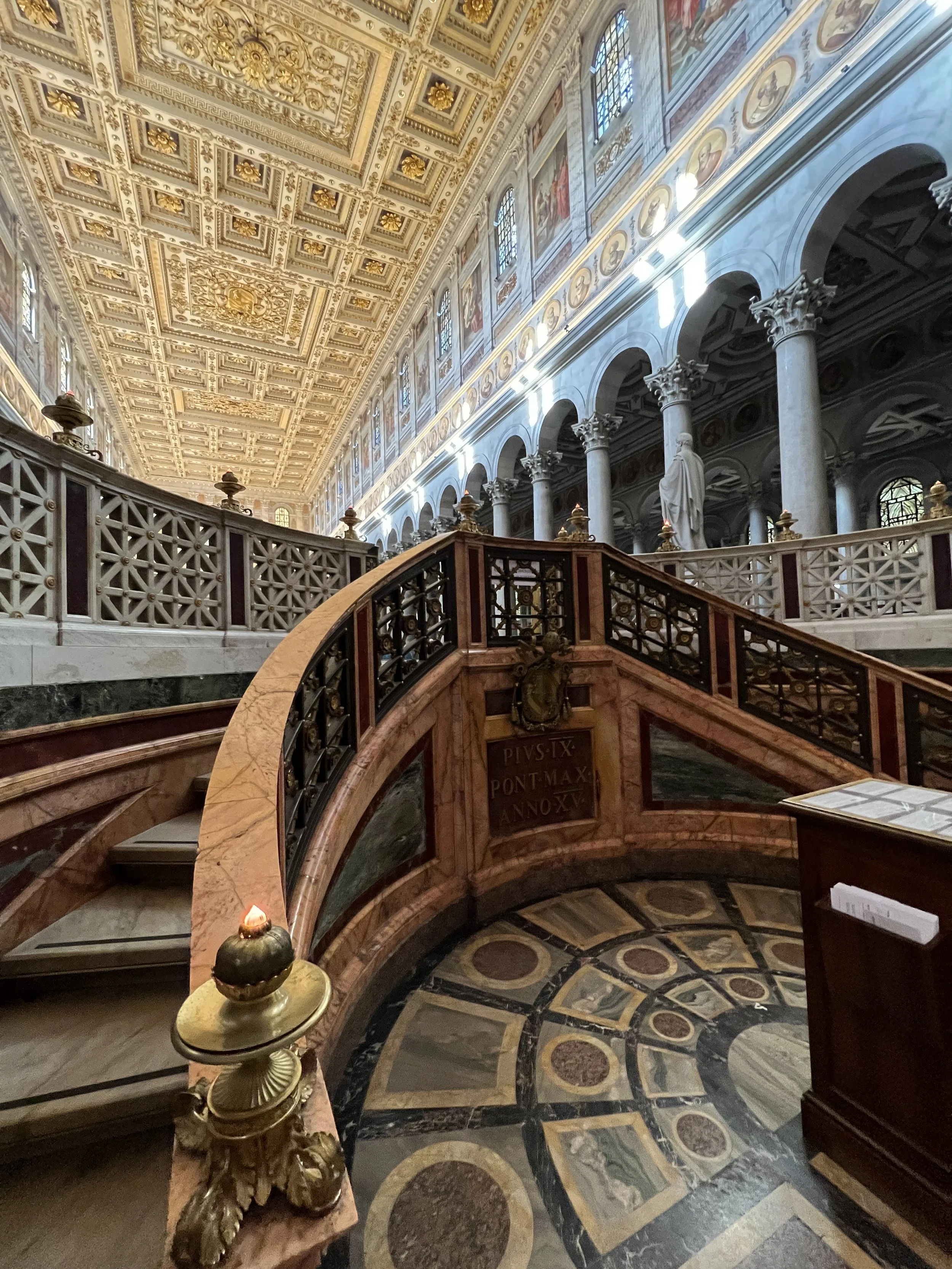
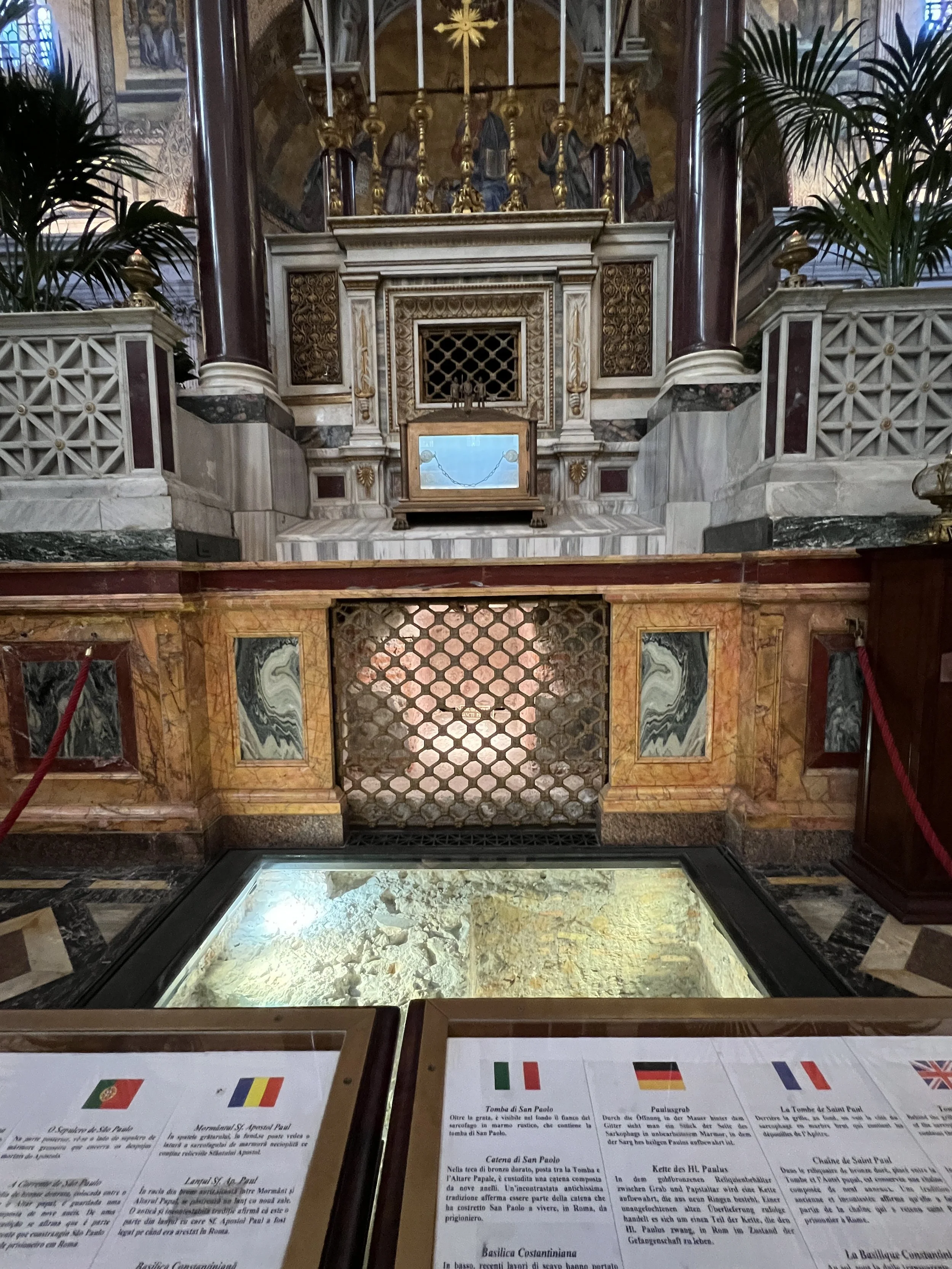
The Abby of the Three Fountains is built on the site where tradition has long held St Paul’s beheading took place. There is history of Christian pilgrimage to this site. Many Christians chose to be buried in catacombs in this area after Paul’s death - including in the Catacombs of Thecla nearby where the earliest portrait of the Apostle Paul is a fresco within the tombs. At some point in the late second or 3rd century, most of Paul’s remains, in a sarcophagus, were enclosed in the Basilica of St Paul Outside the Walls when Theodosius enlarged Constantine’s original cathedral, a just a few miles from the site of Tres Fontaine today.
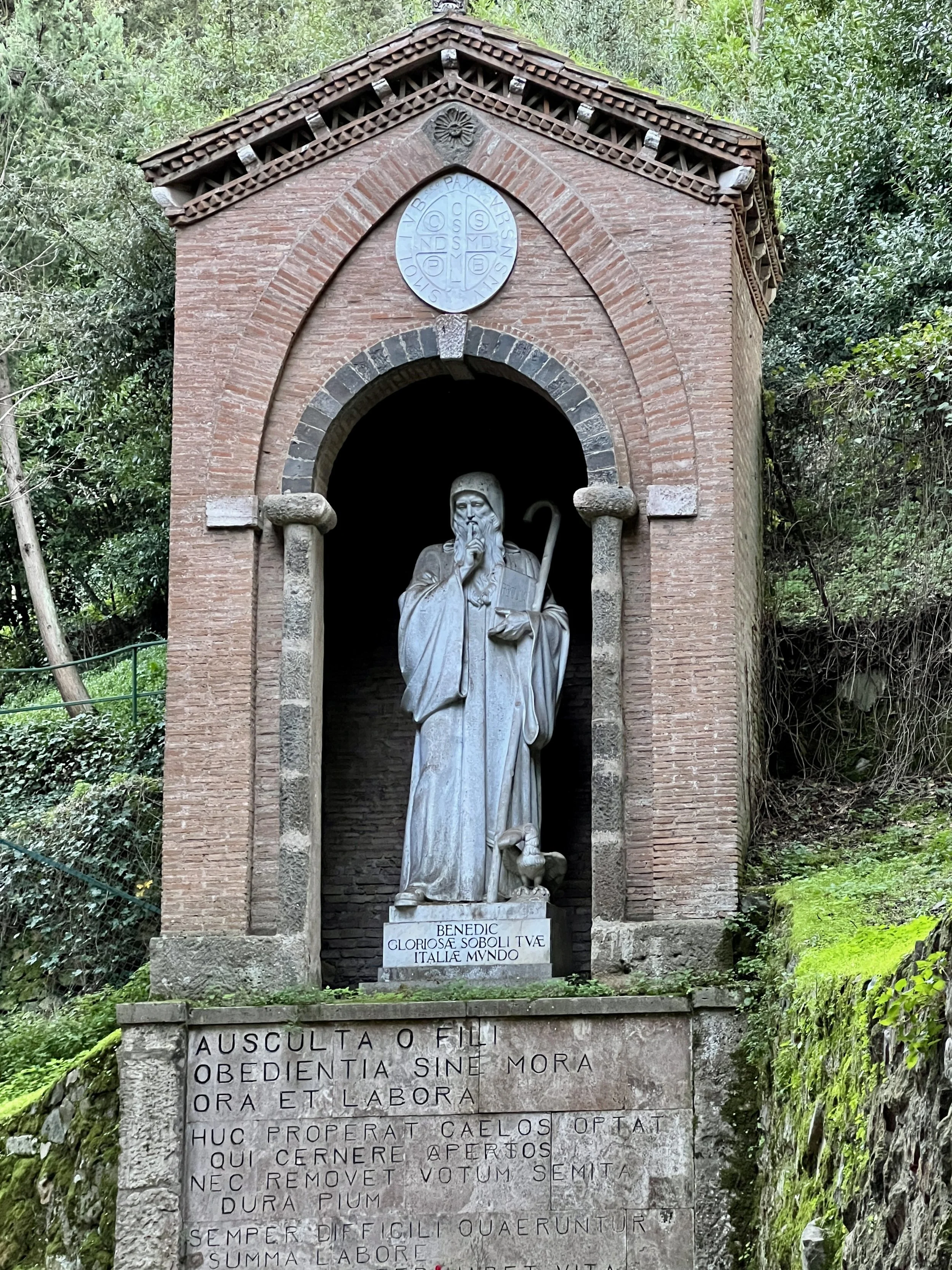
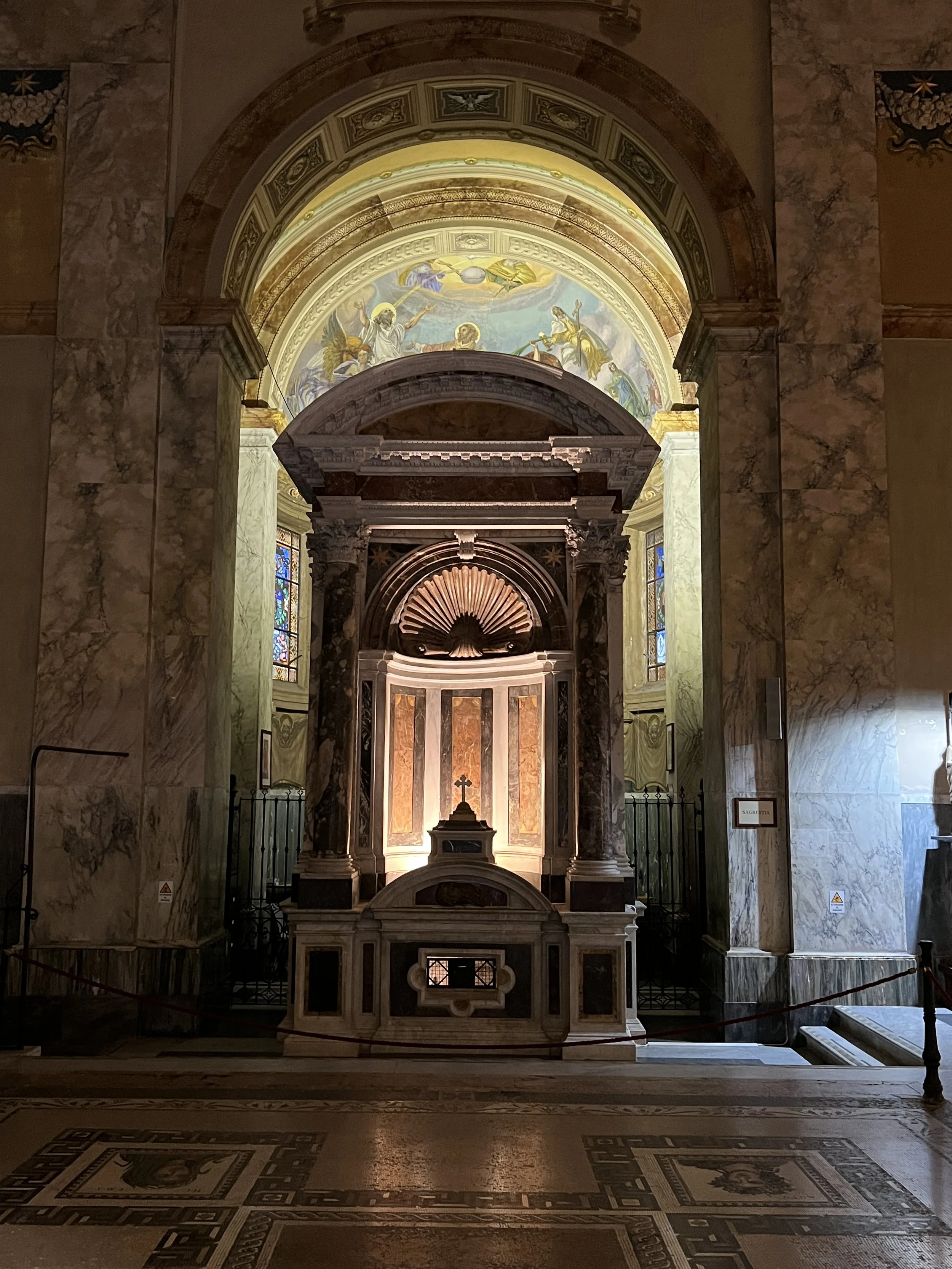
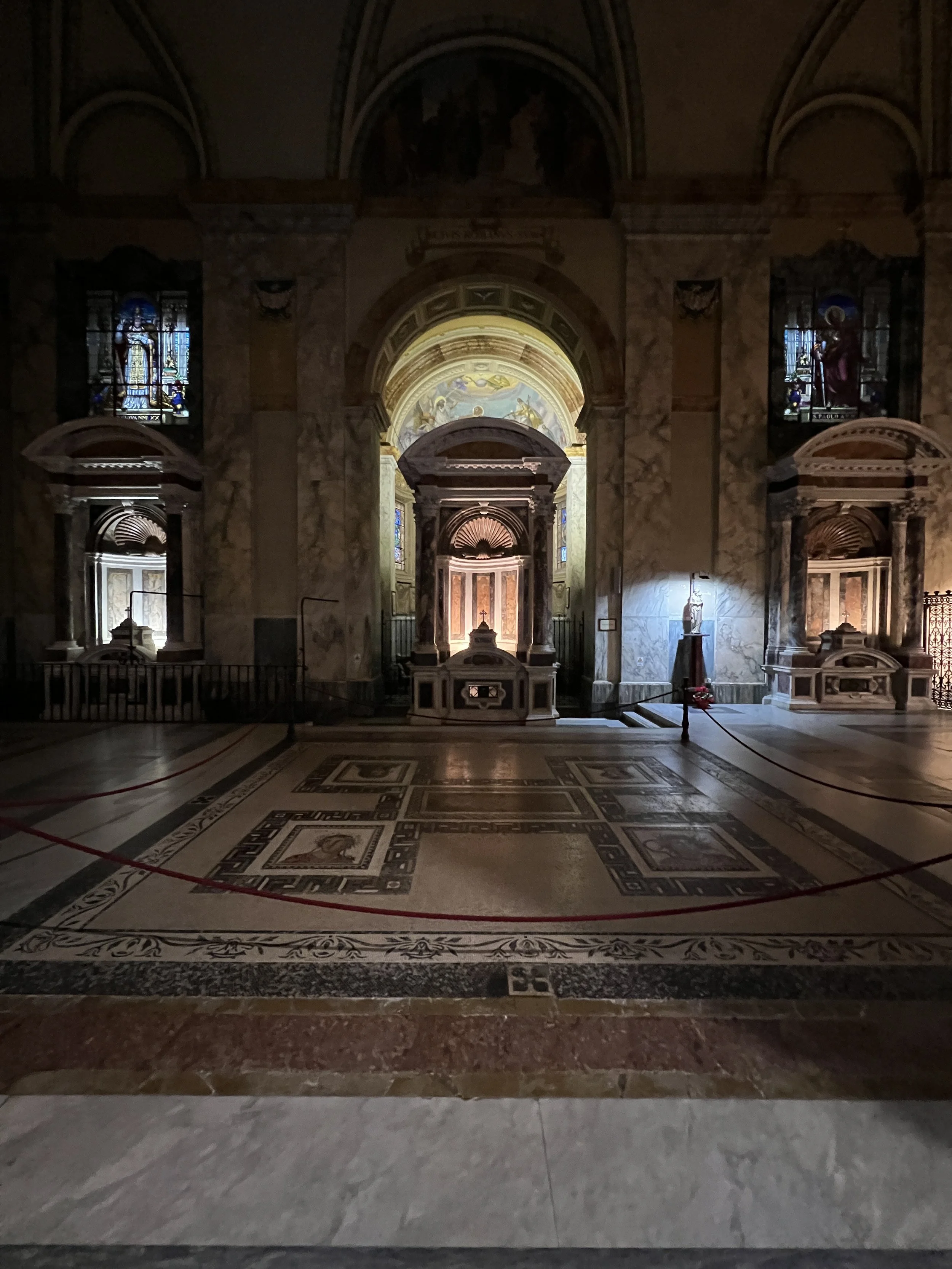
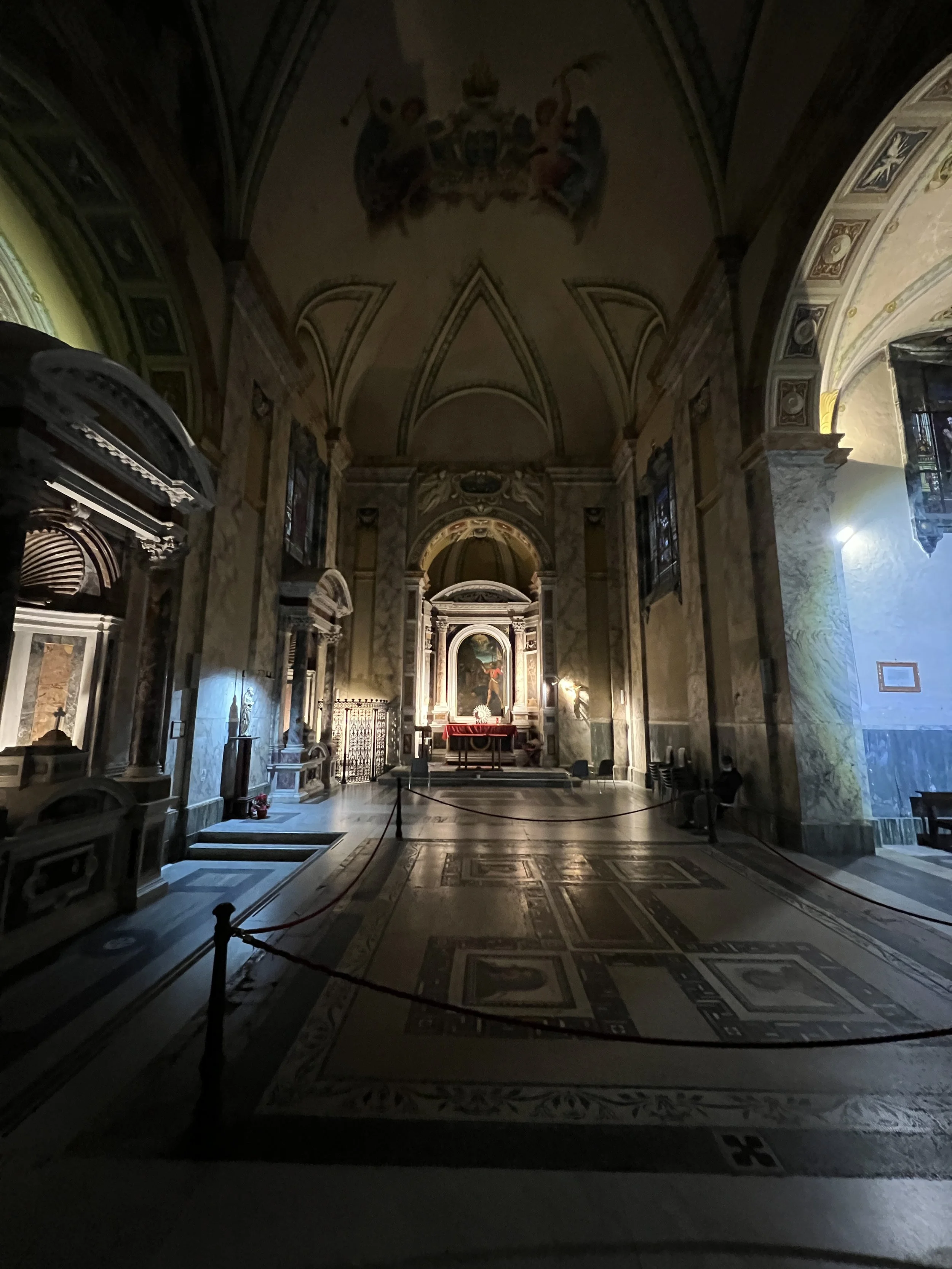
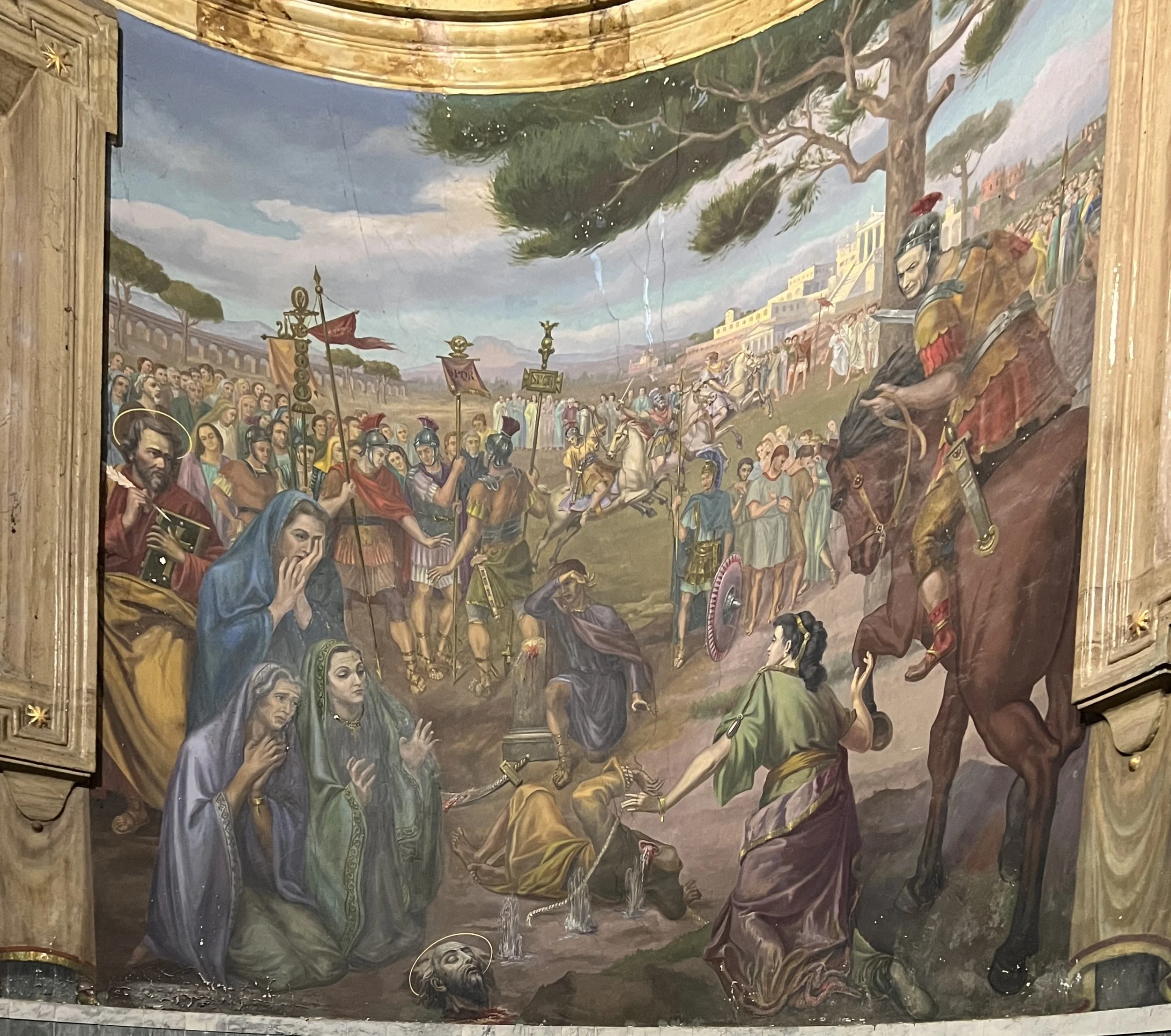
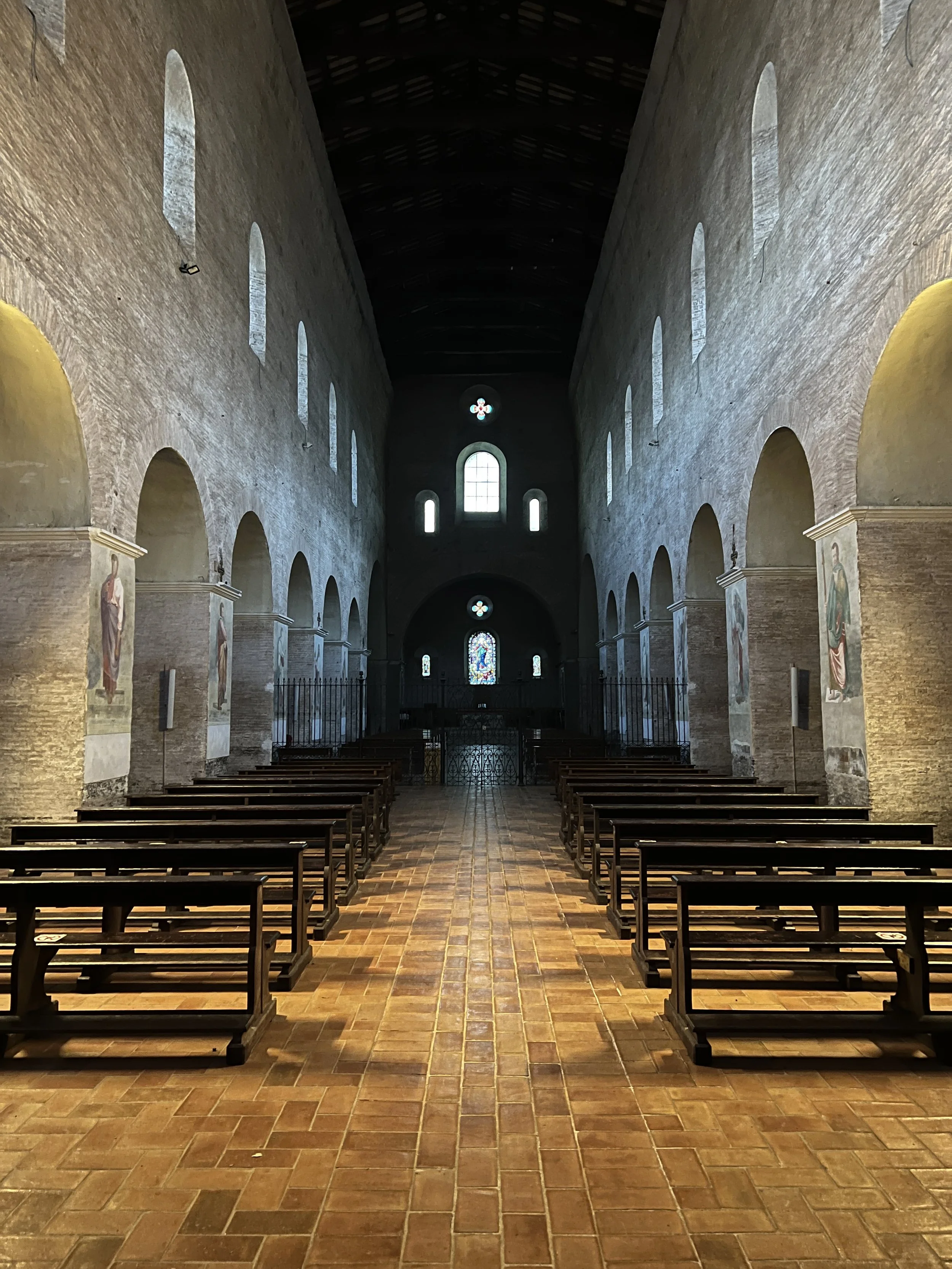
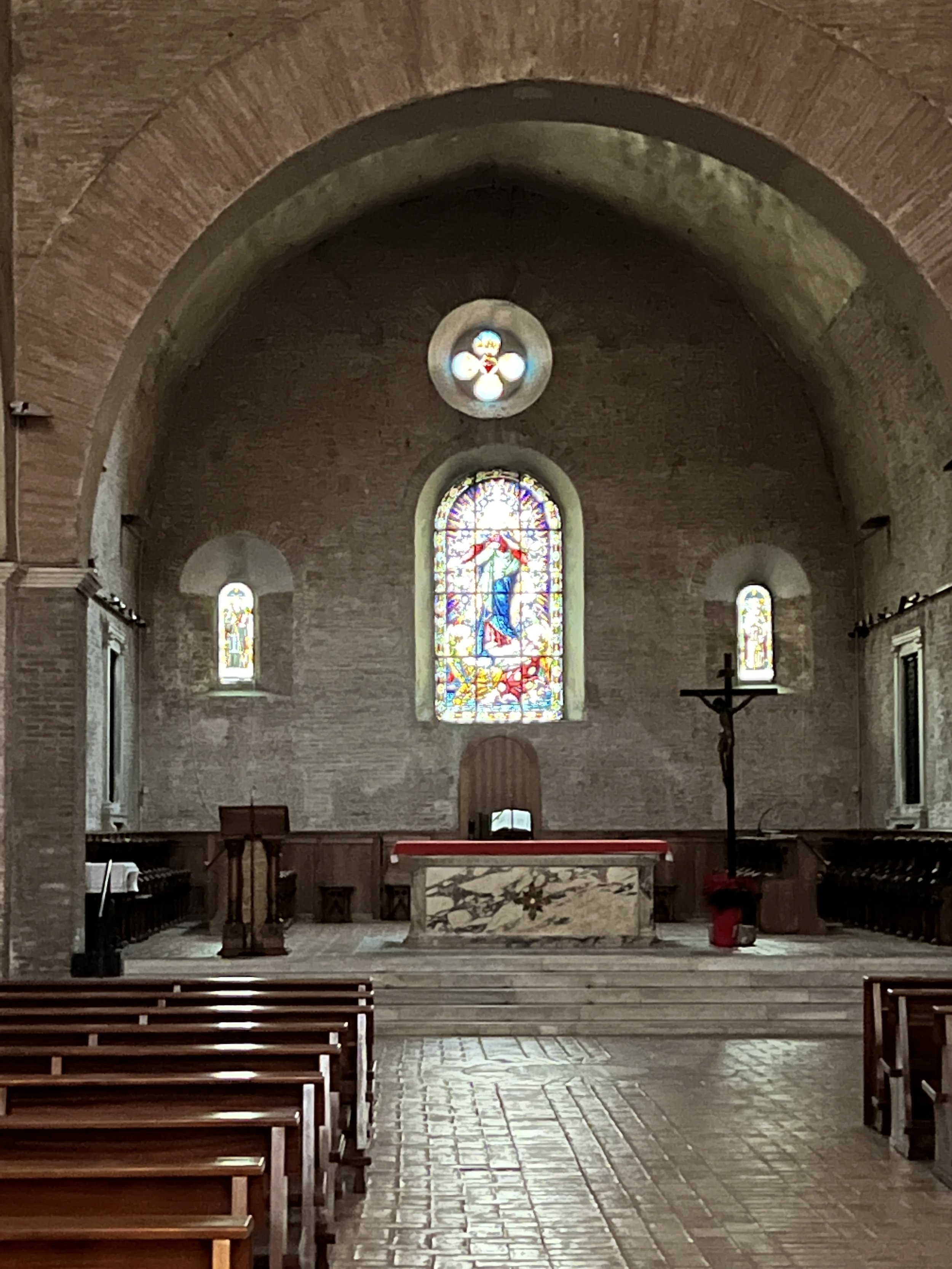
The traditional story about Tres Fontaine is that when Paul was beheaded, his head rolled away and bounced 3 times. In each spot the story goes that a spring welled up. This story about the springs does not appear until the late 6th century AD. Never the less, Tres Fontaine is a beautiful, peaceful place near to the basilica that commemorates the Apostle. It is a Trappist organization and visitors are encouraged to practice silence at the site. The shrine to Paul is called The Church of Martyrdom of St Paul. It has 3 edicules over 3 springs that still flow.
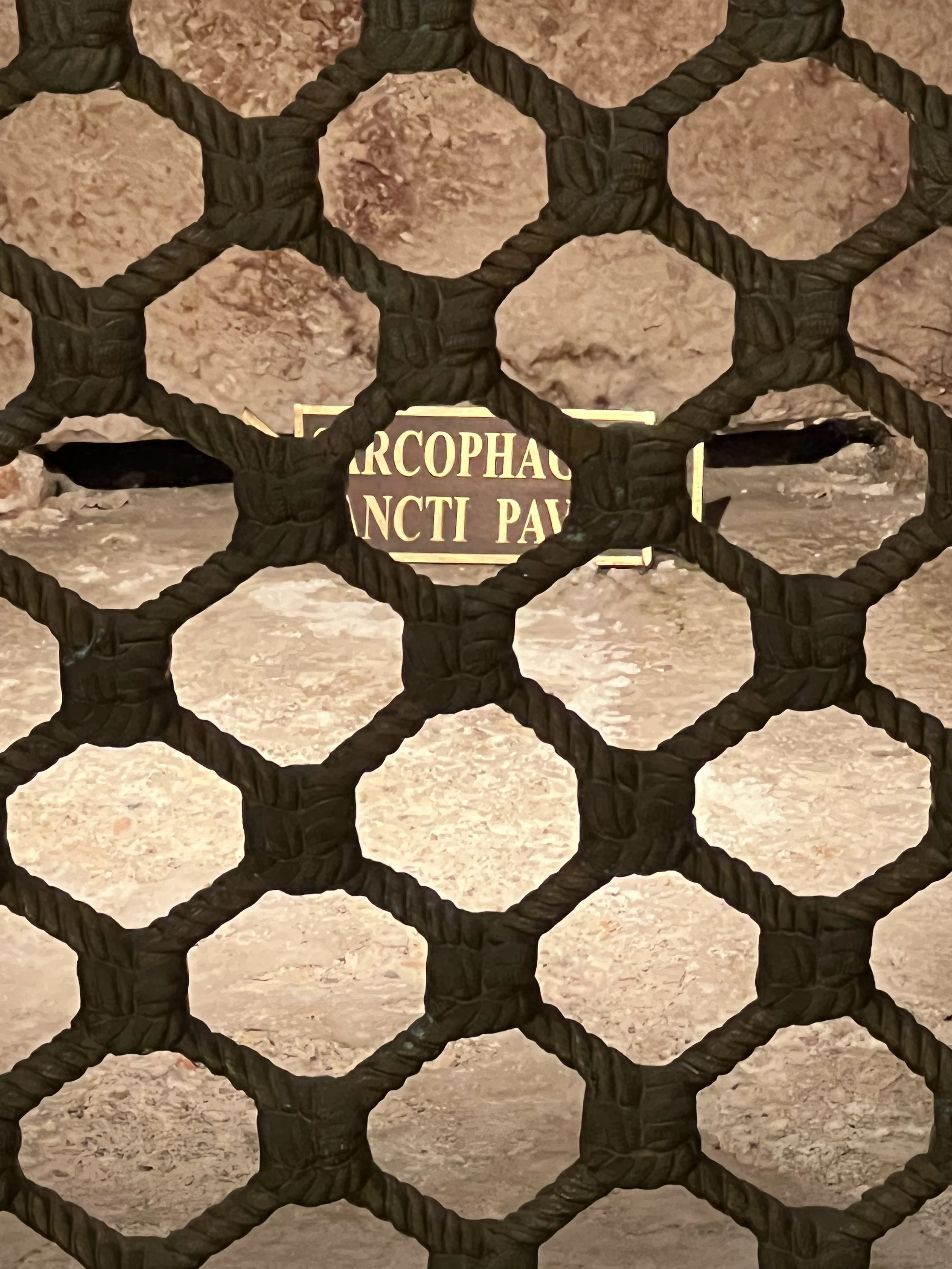
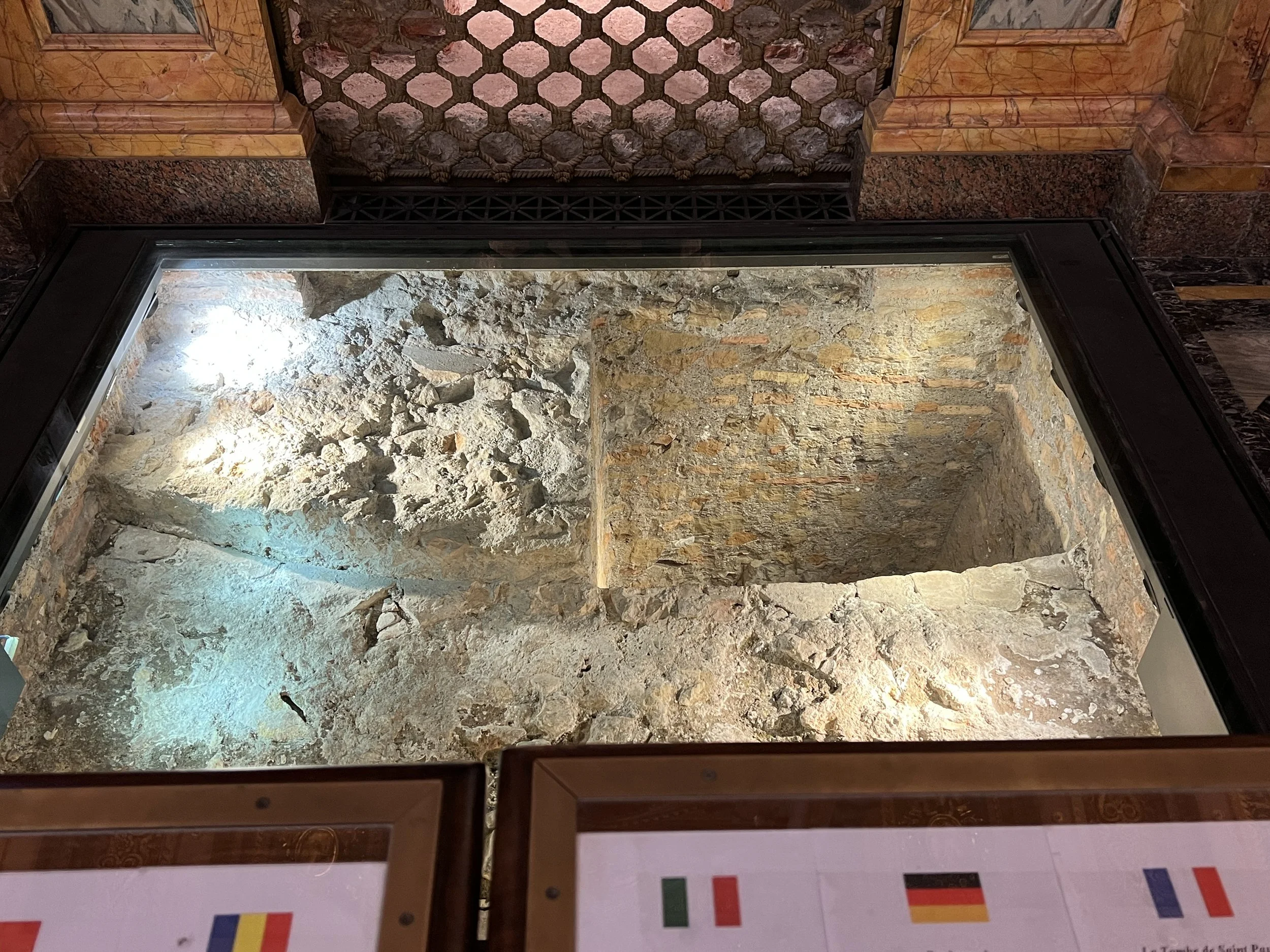
In 2009, scientific analysis of contents of the sarcophagus buried in the basilica of St Paul Outside the Walls showed that bits of bone and dyed fabric date to between 1st to 2nd centuries. The marble slab over the sarcophagus underneath the basilica has an inscription “PAULO APOSTOLO MART”. There are holes in the slab through which strips of cloth and paper could be inserted to touch the sarcophagus. The sarcophagus is unlikely to ever be fully opened for fear of disintegration of the remains exposed to light and air and humidity.
Whatever parts of the history of Paul’s martyrdom we have accurately, or not, a visit to Tres Fontaine is a moving experience that brings home the great witness God accomplished and is still accomplishing through his servant, the Apostle Paul.
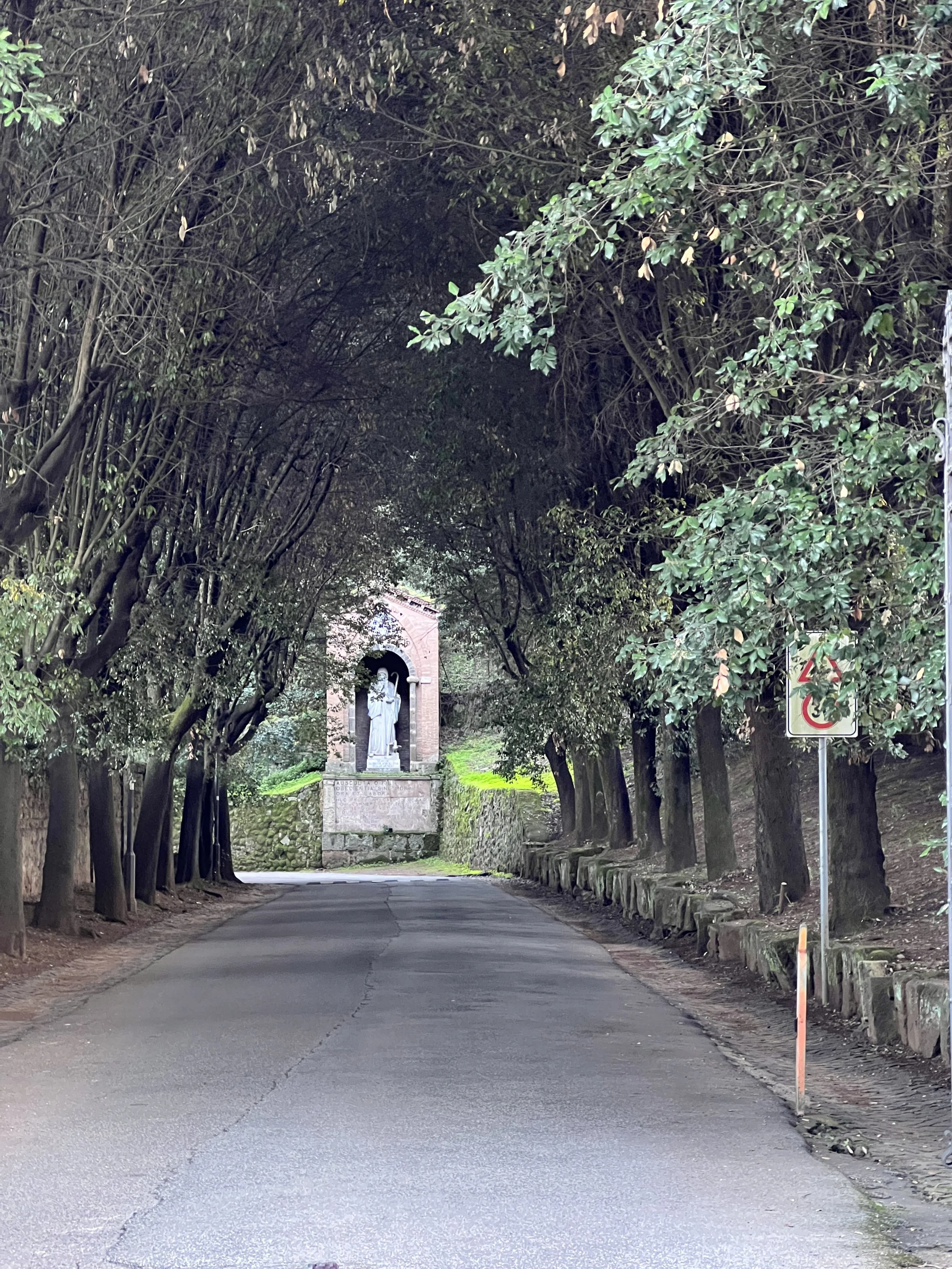
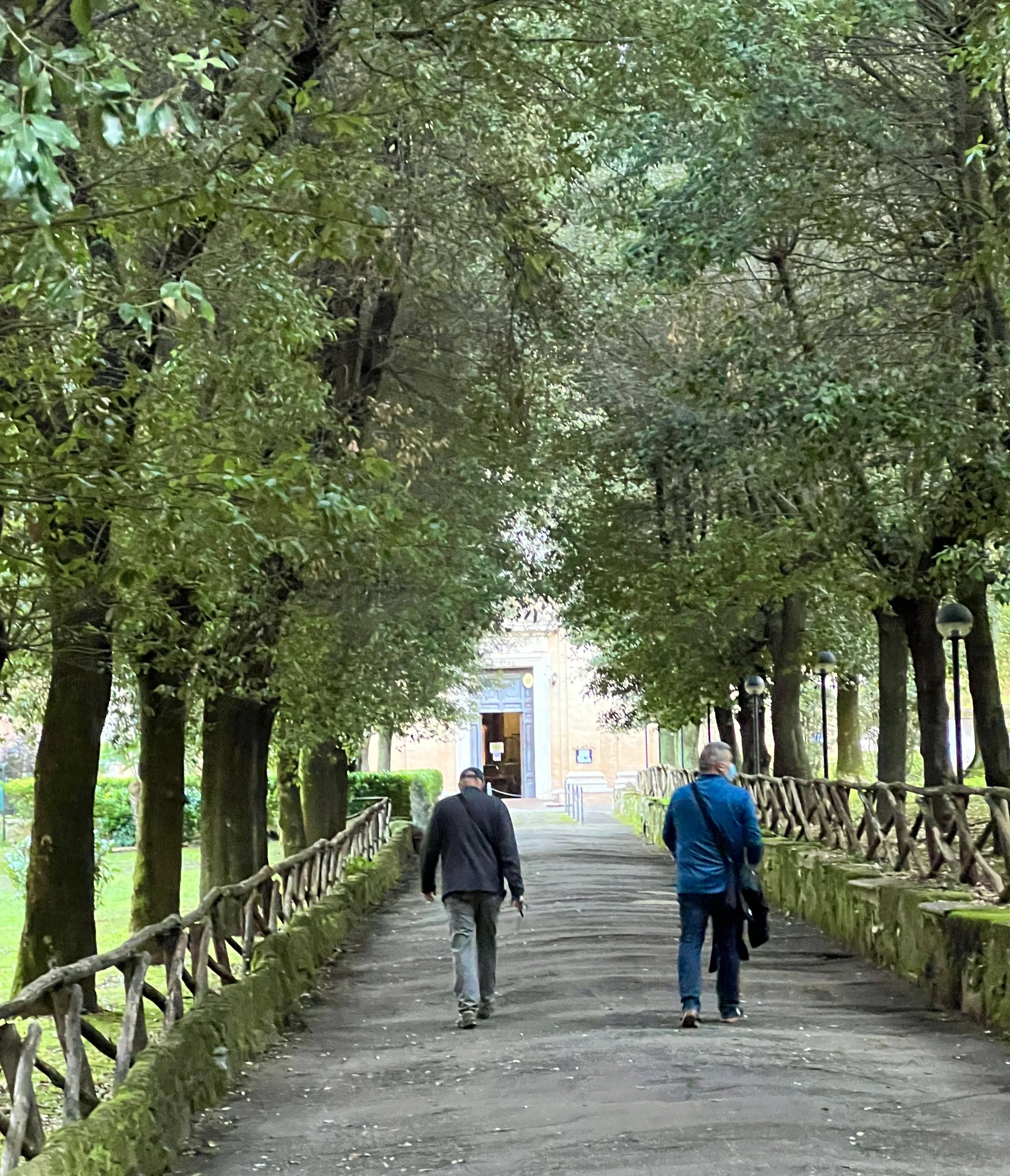
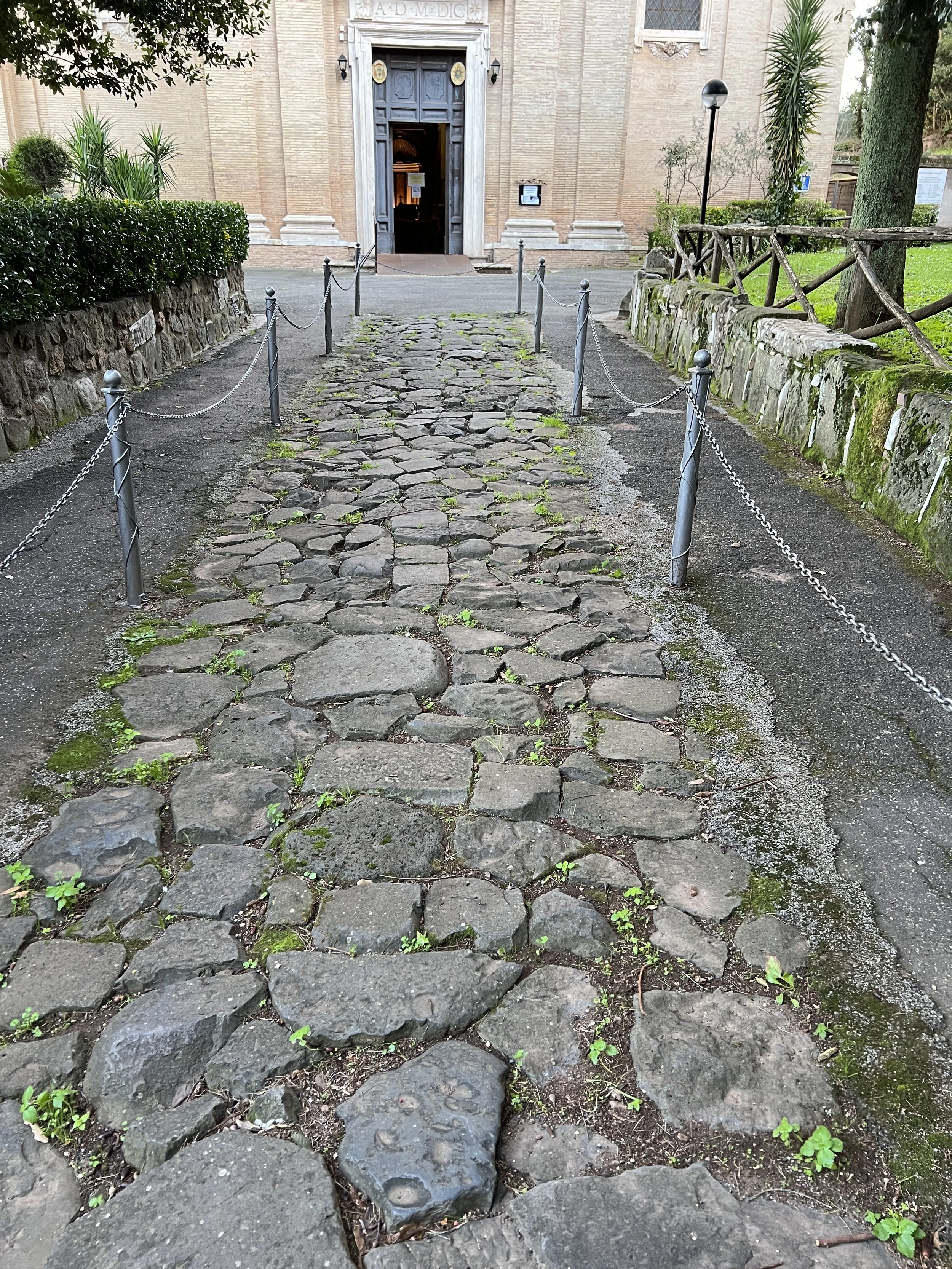
Entering onto the grounds of Tres Fontaine Abbey