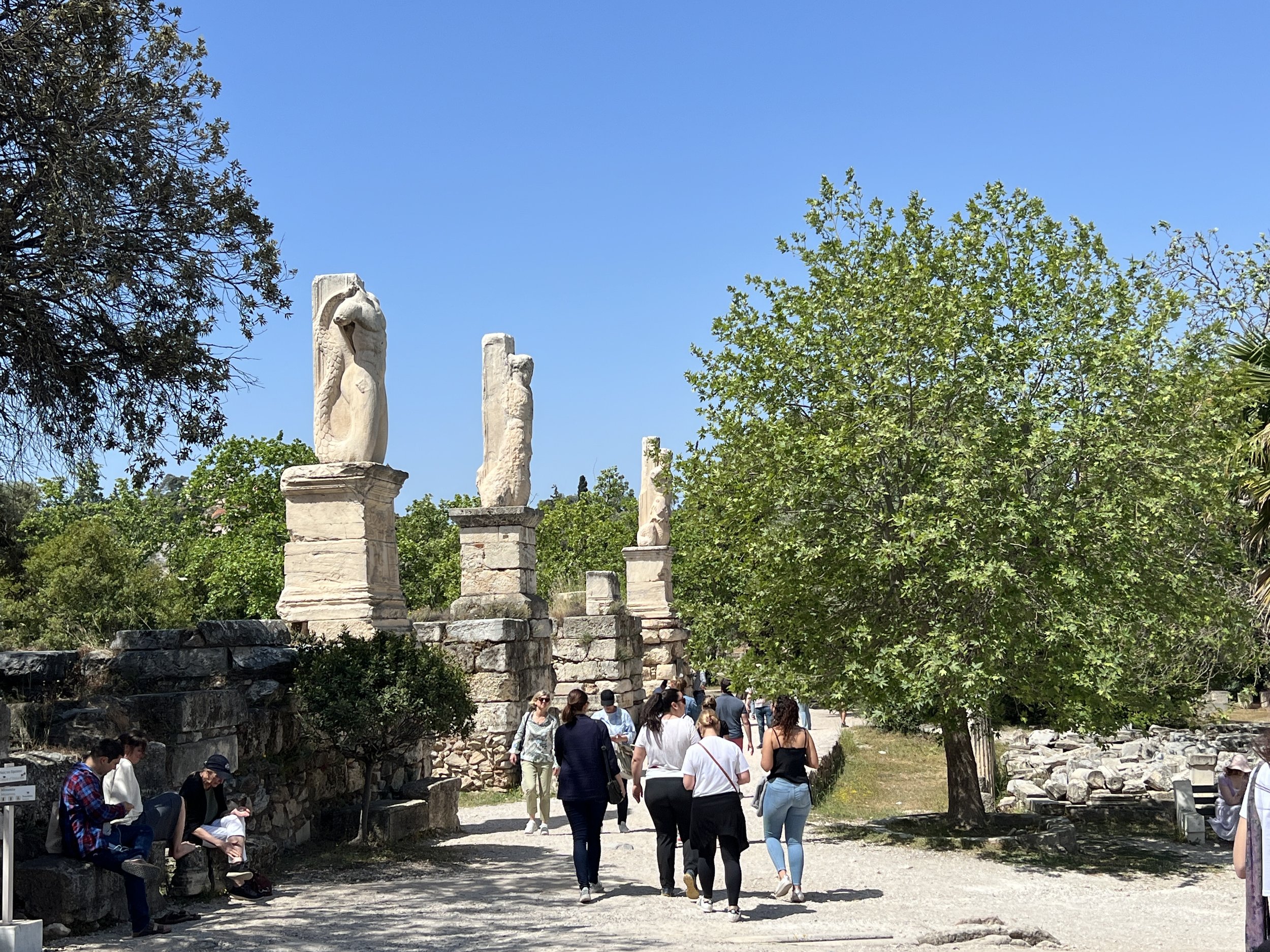
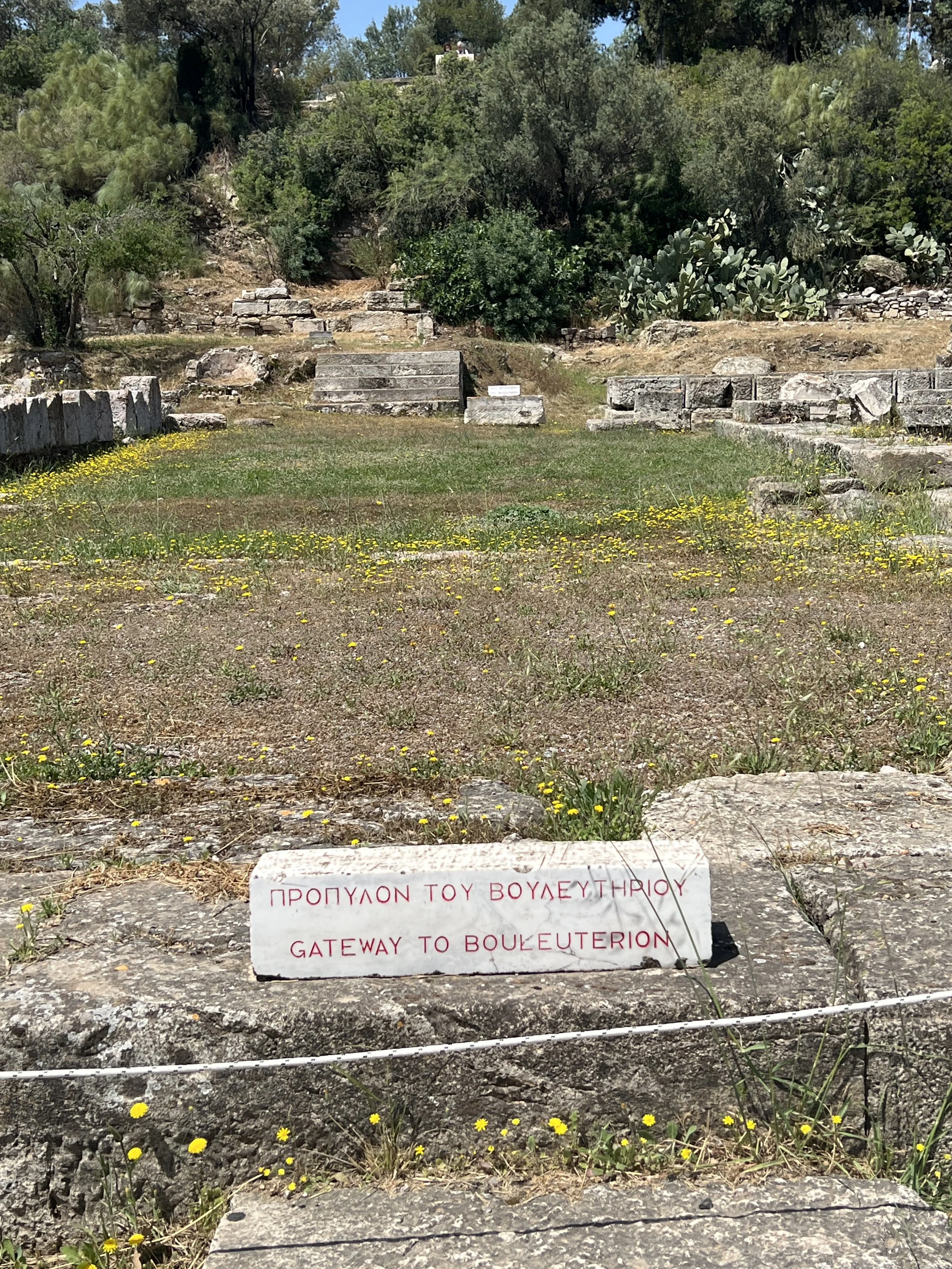
The Greek Agora of Athens
“Now while Paul was waiting for them at Athens, his spirit was provoked within him as he saw that the city was full of idols. So he reasoned in the synagogue with the Jews and the devout persons, and in the marketplace every day with those who happened to be there.” Acts 17:16-17
At the time of Paul ’s visit to Athens (50ish AD), the city and the agora (marketplace) were already past their pinnacle of importance:
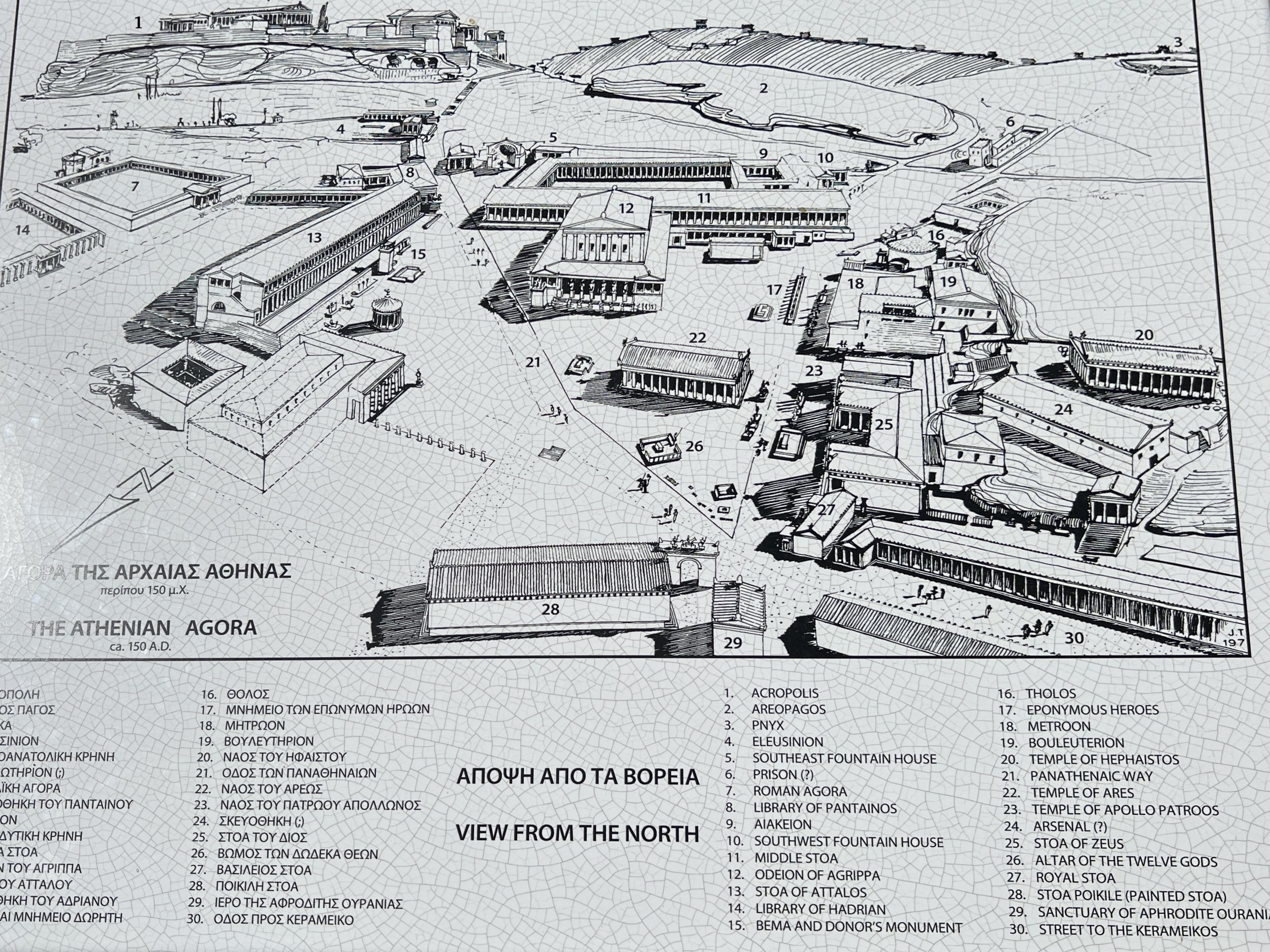
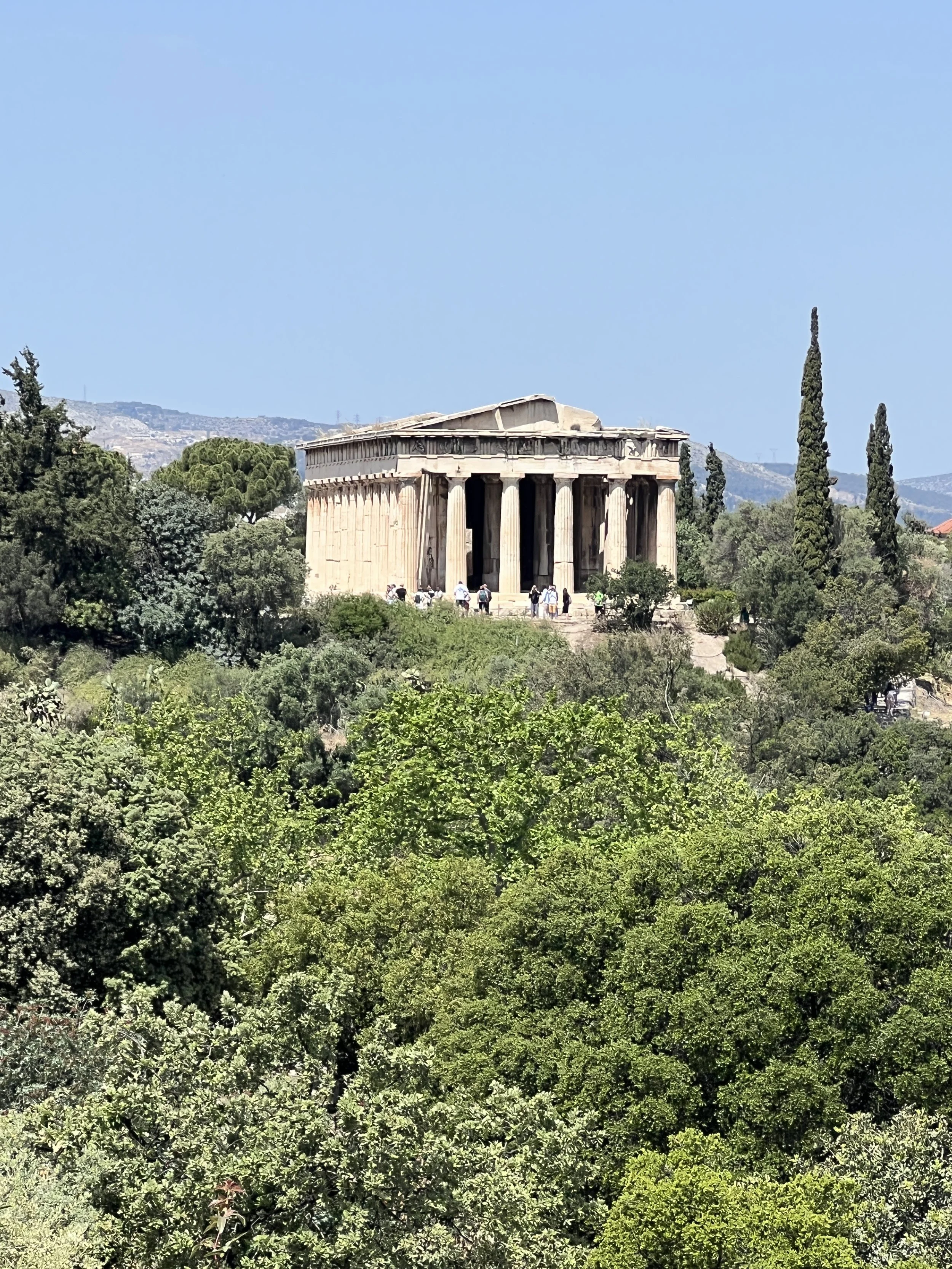
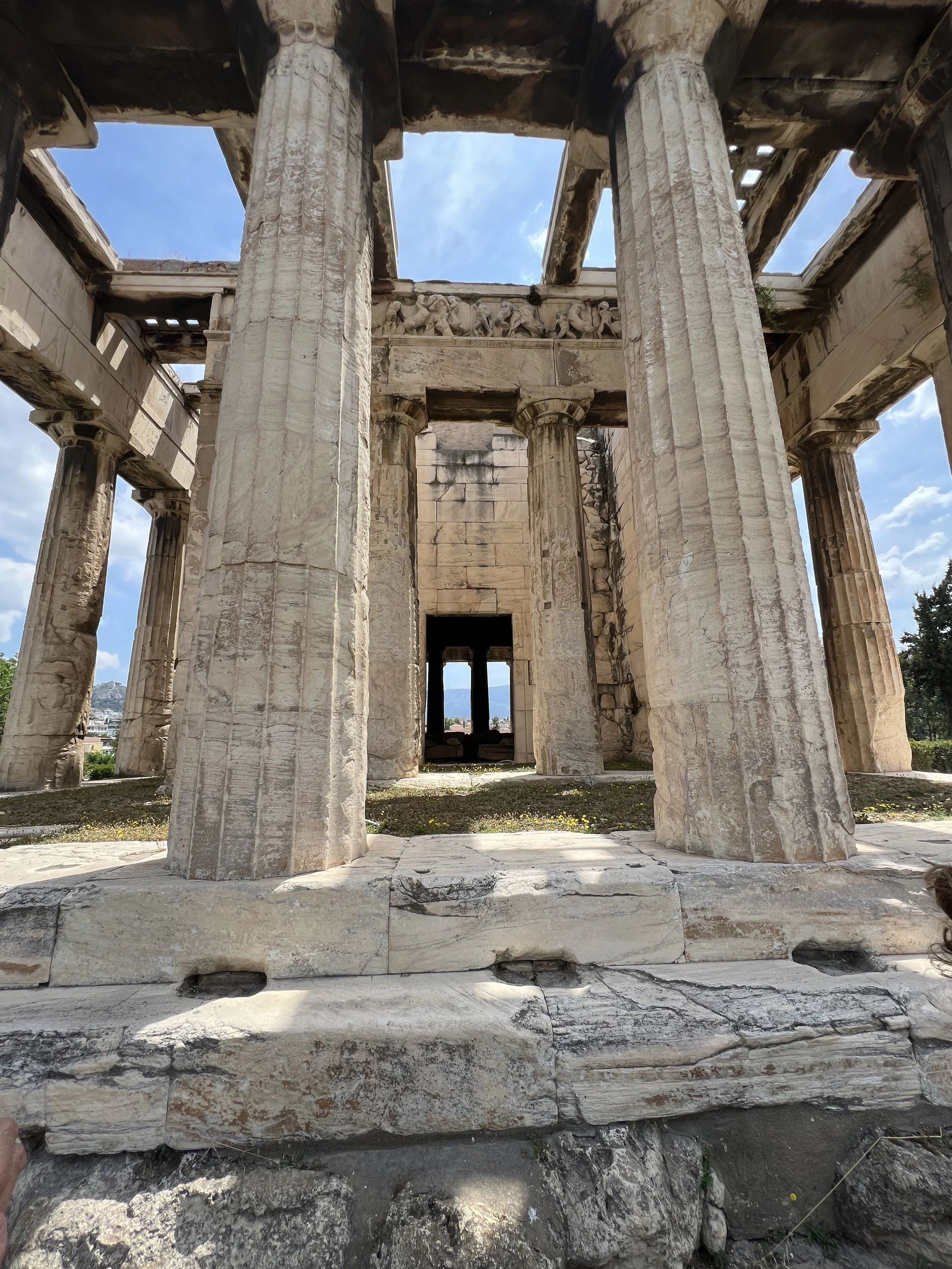
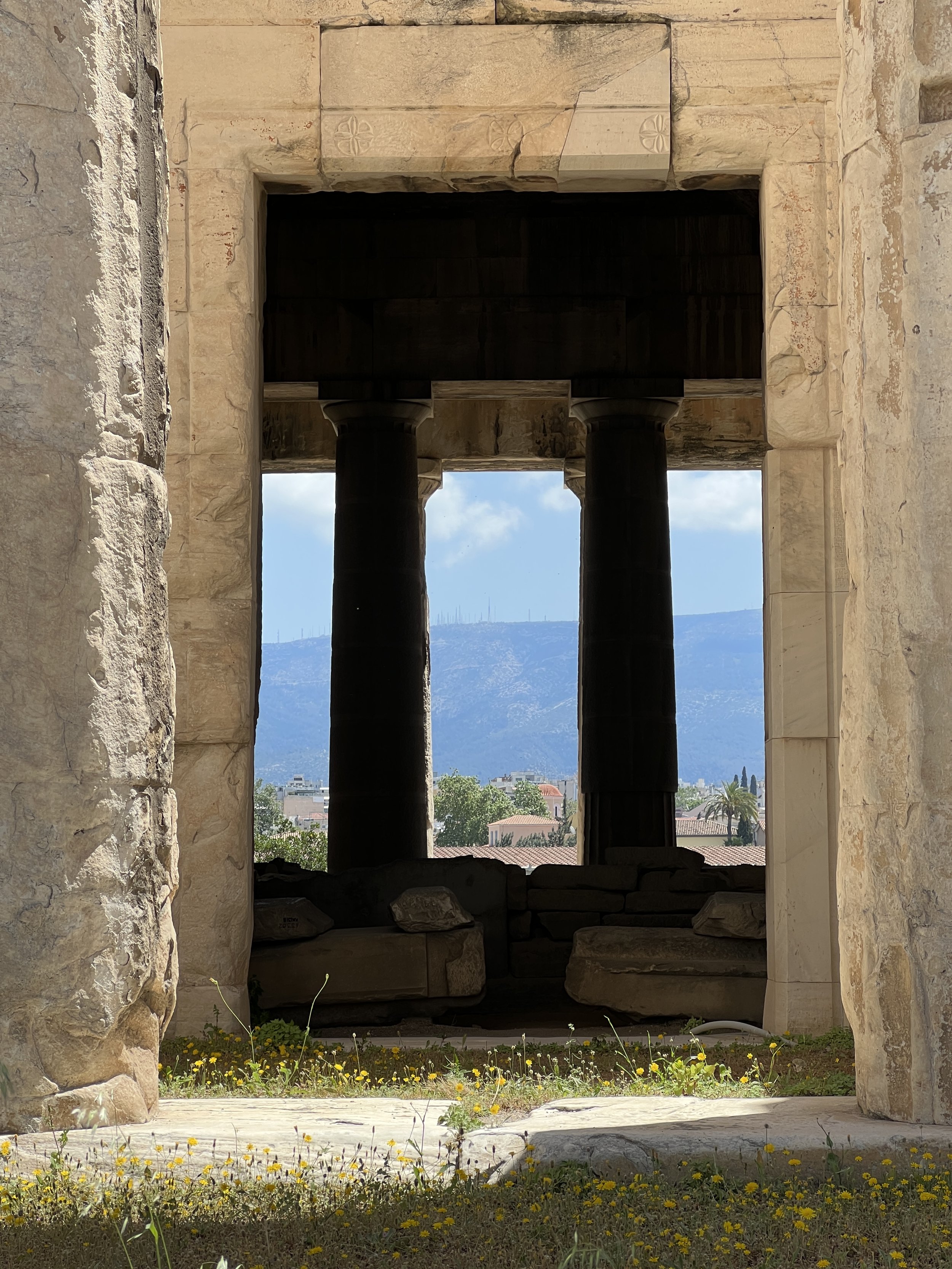
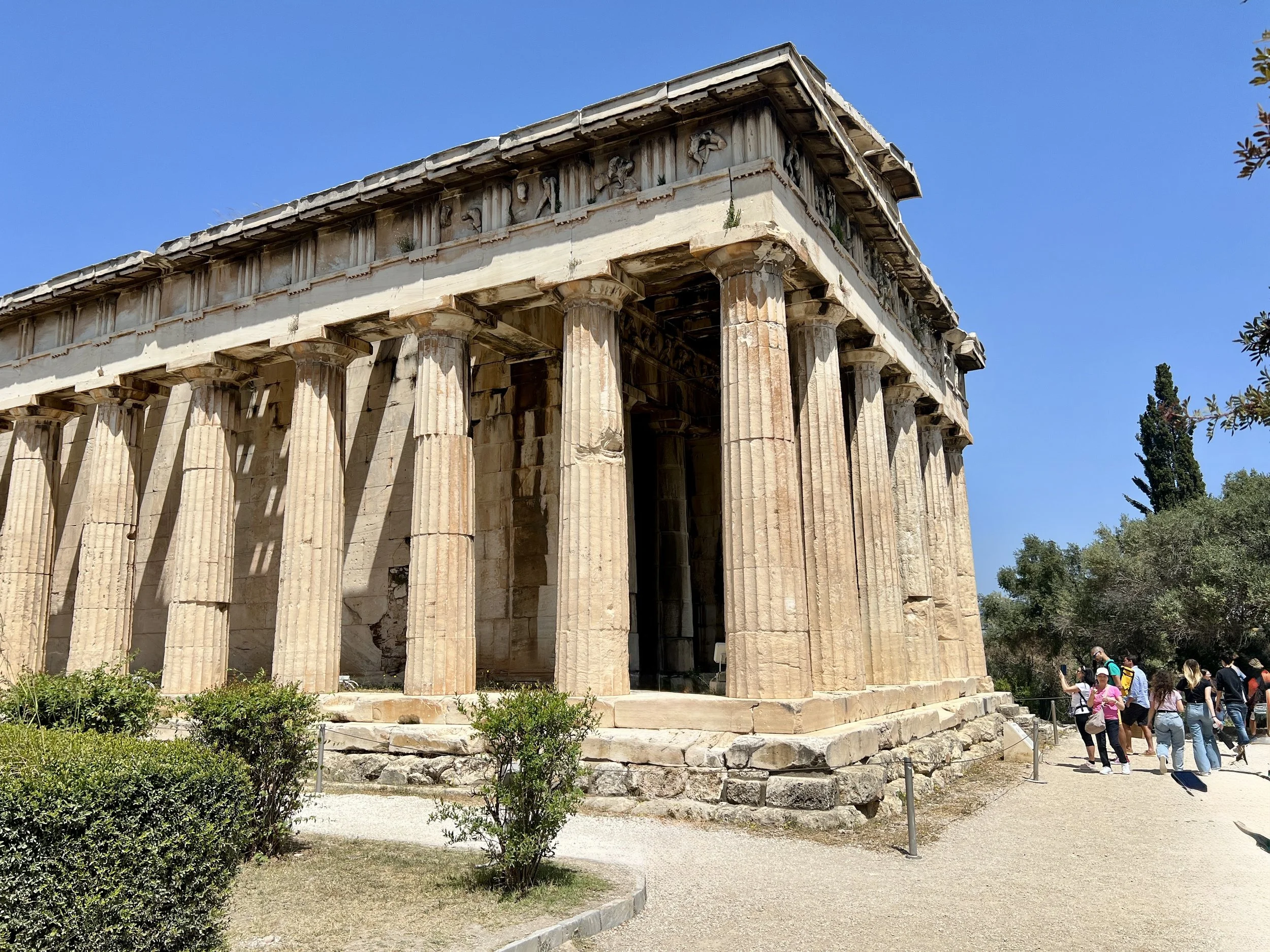
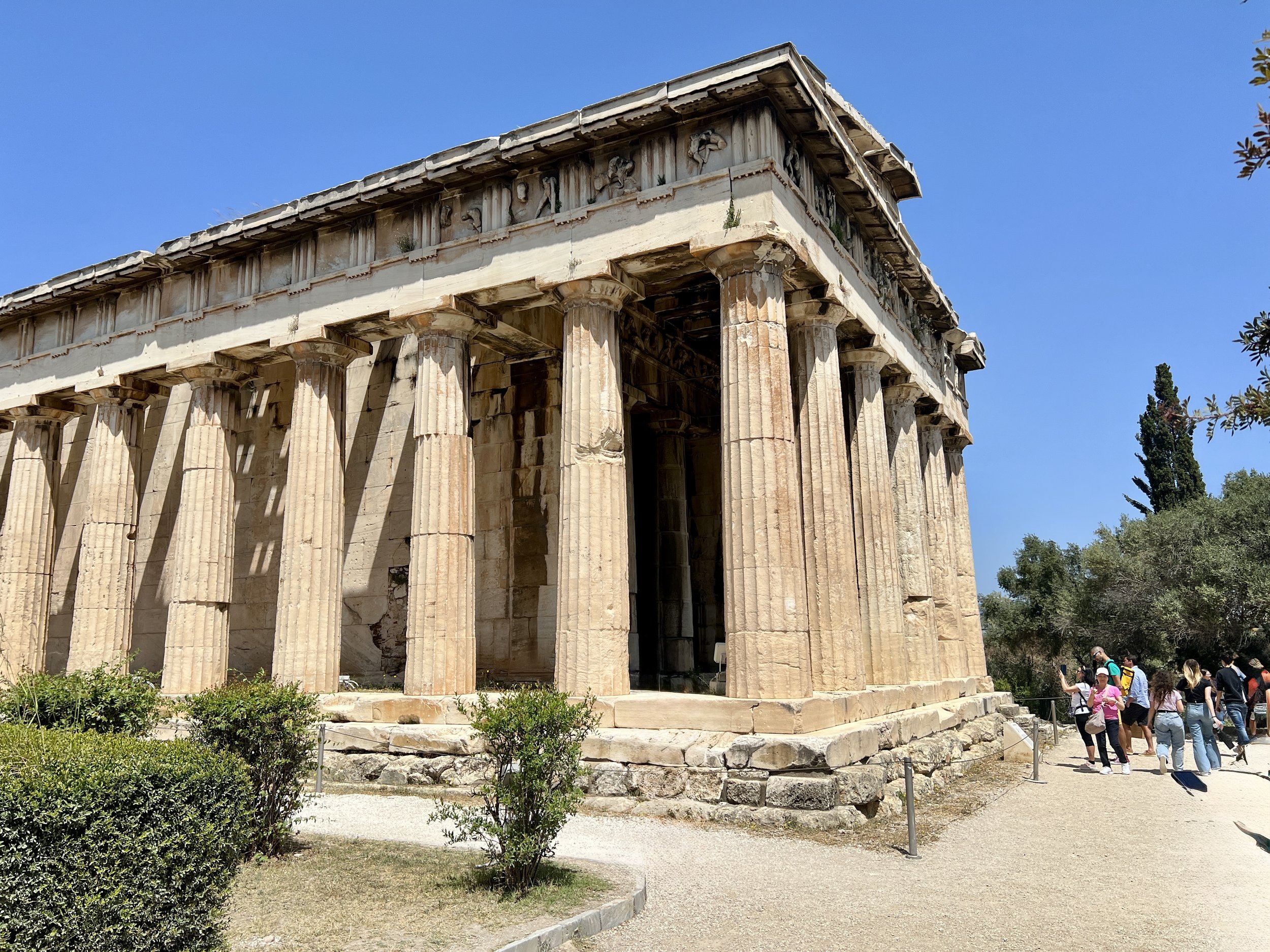
The temple of Hephaestus had already stood for over 5 centuries, dedicated to both Hephaistos the god of the forge and Athena, the goddess of arts and crafts.
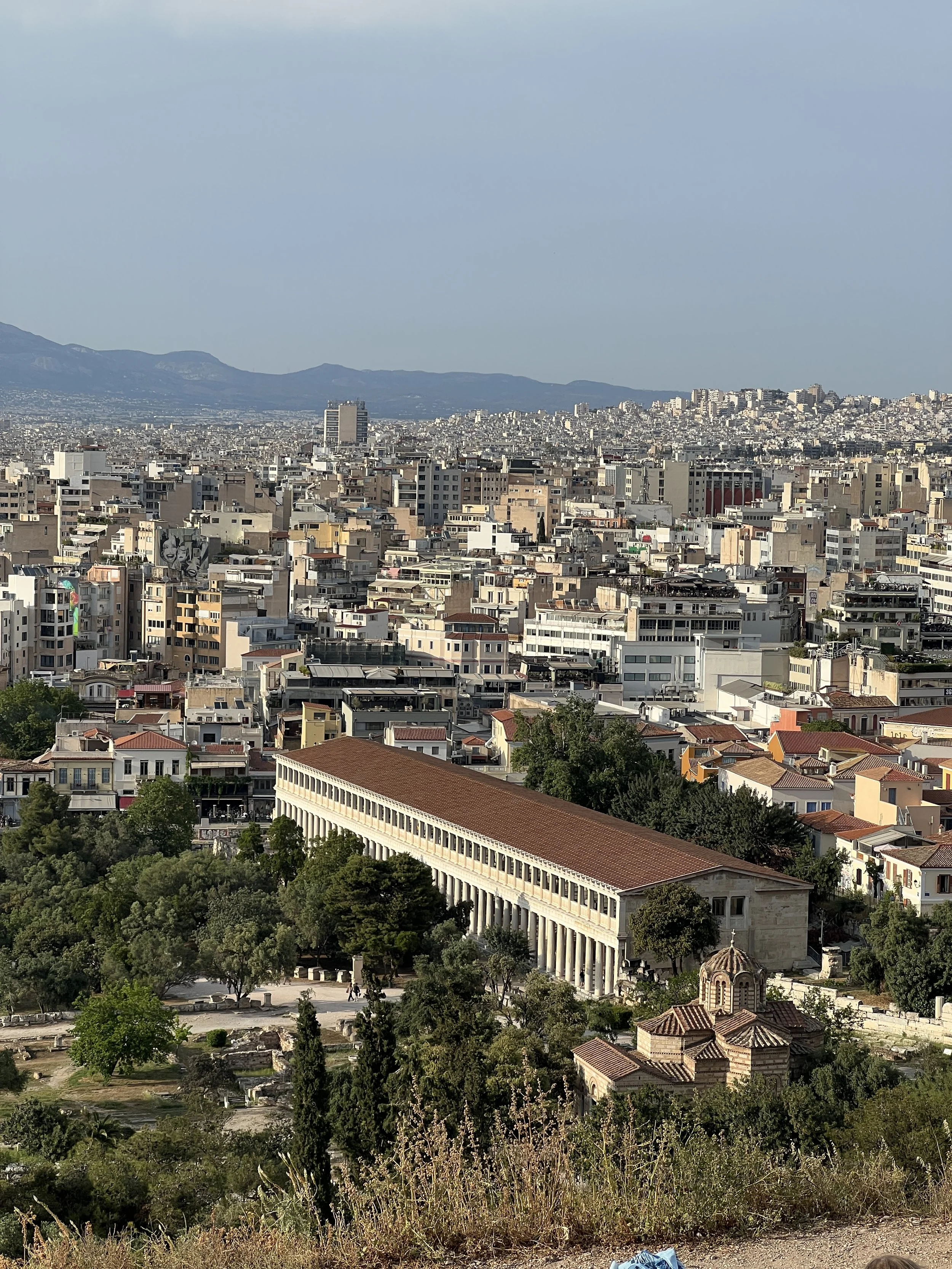
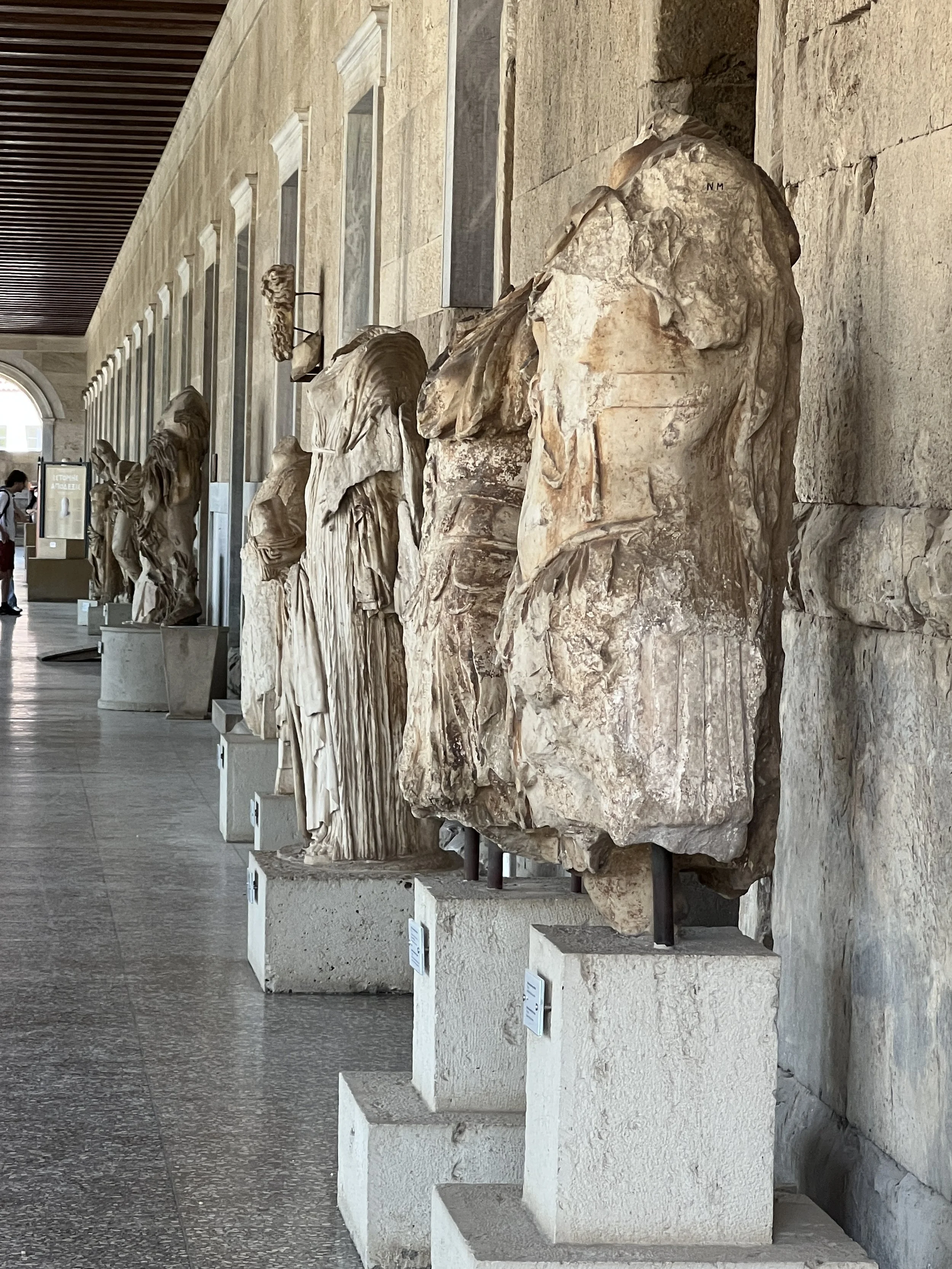
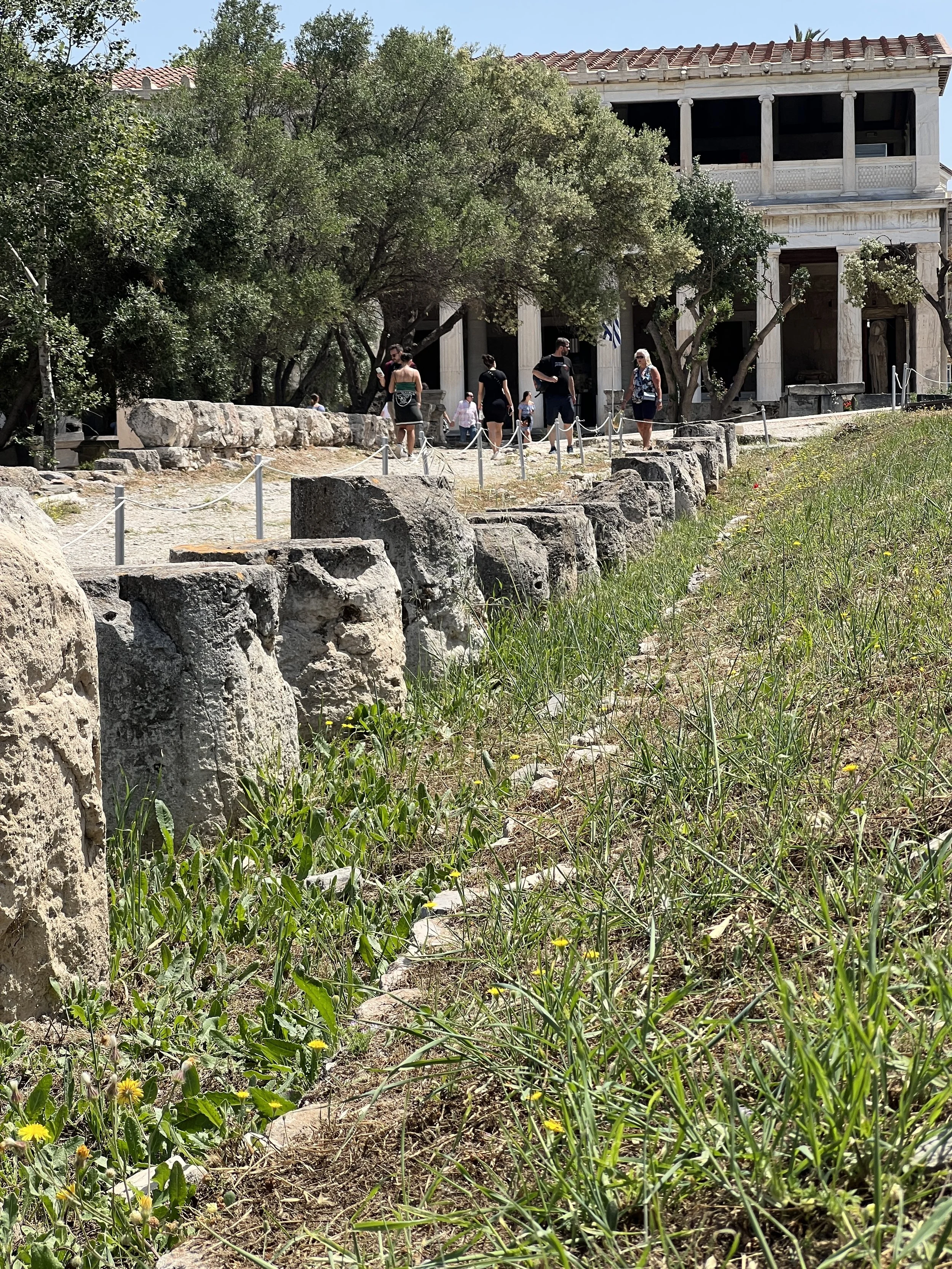
The great Stoa of Attalos was funded by the King of Pergamon of Asia Minor in 159 BC
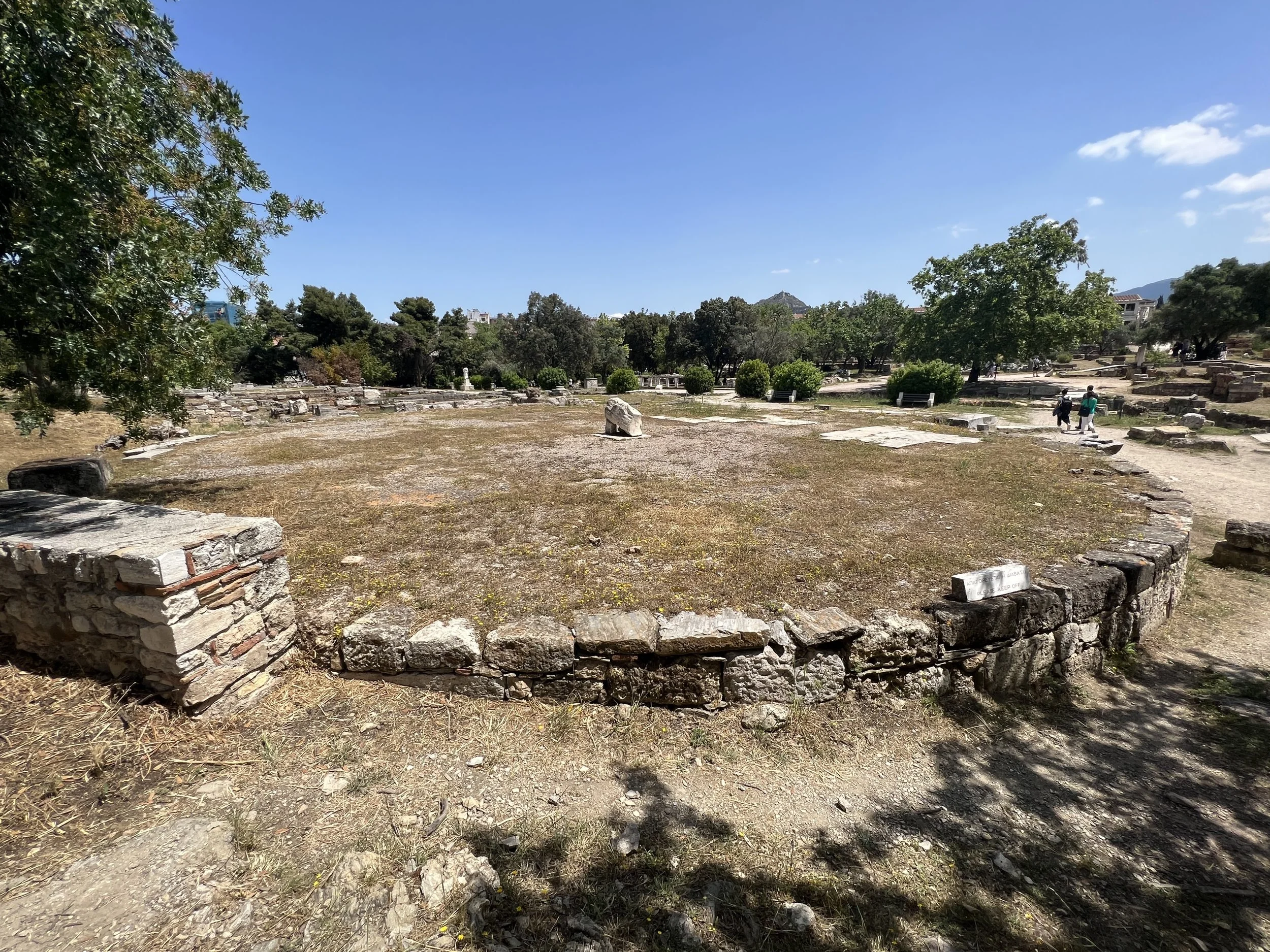
The Tholos - headquarters of the Athenian government - had been functioning for over 400 years
The Metroon, or state archive and sanctuary of the mother god (Meter Theon) had been complete for over 150 years
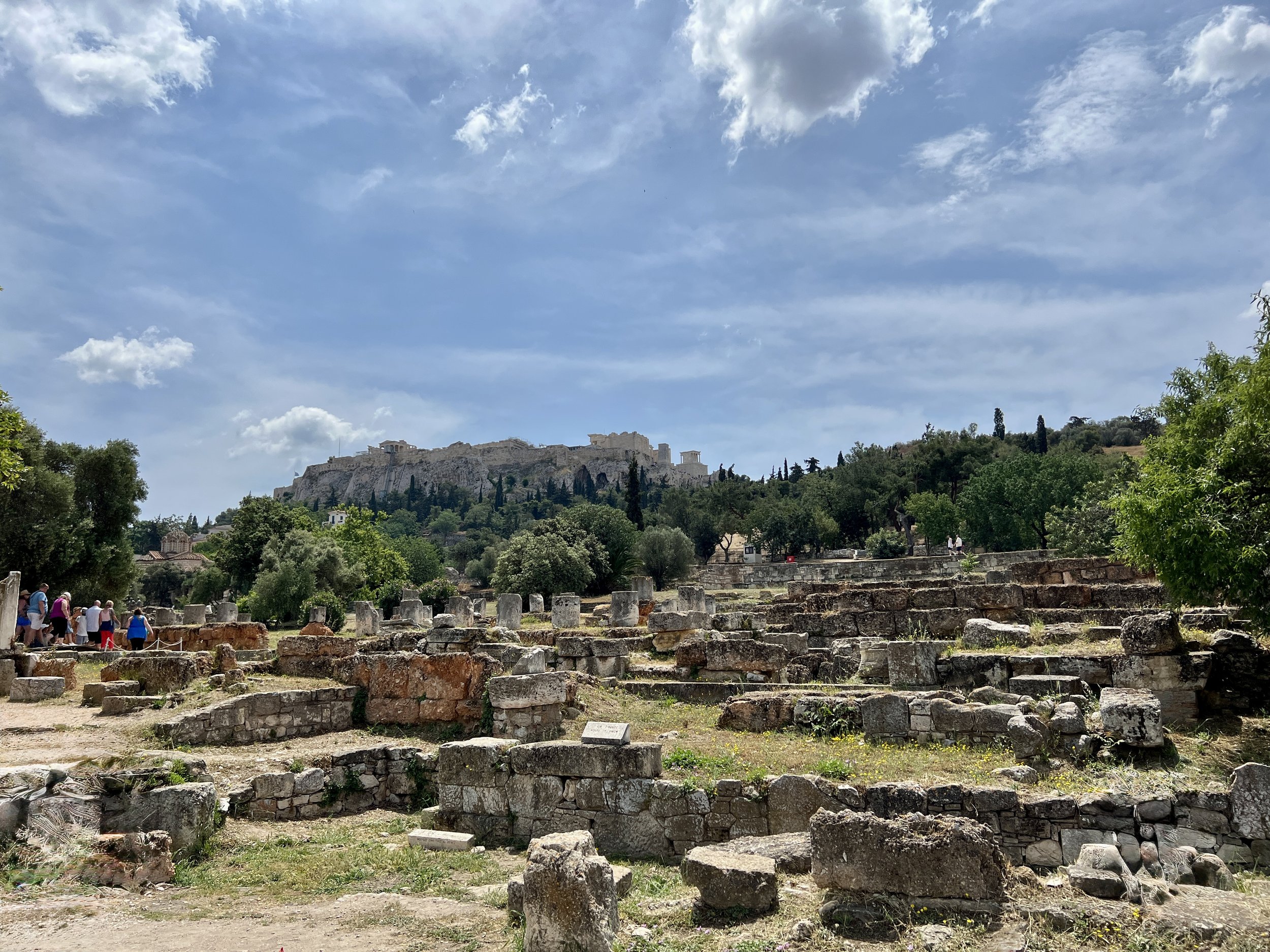
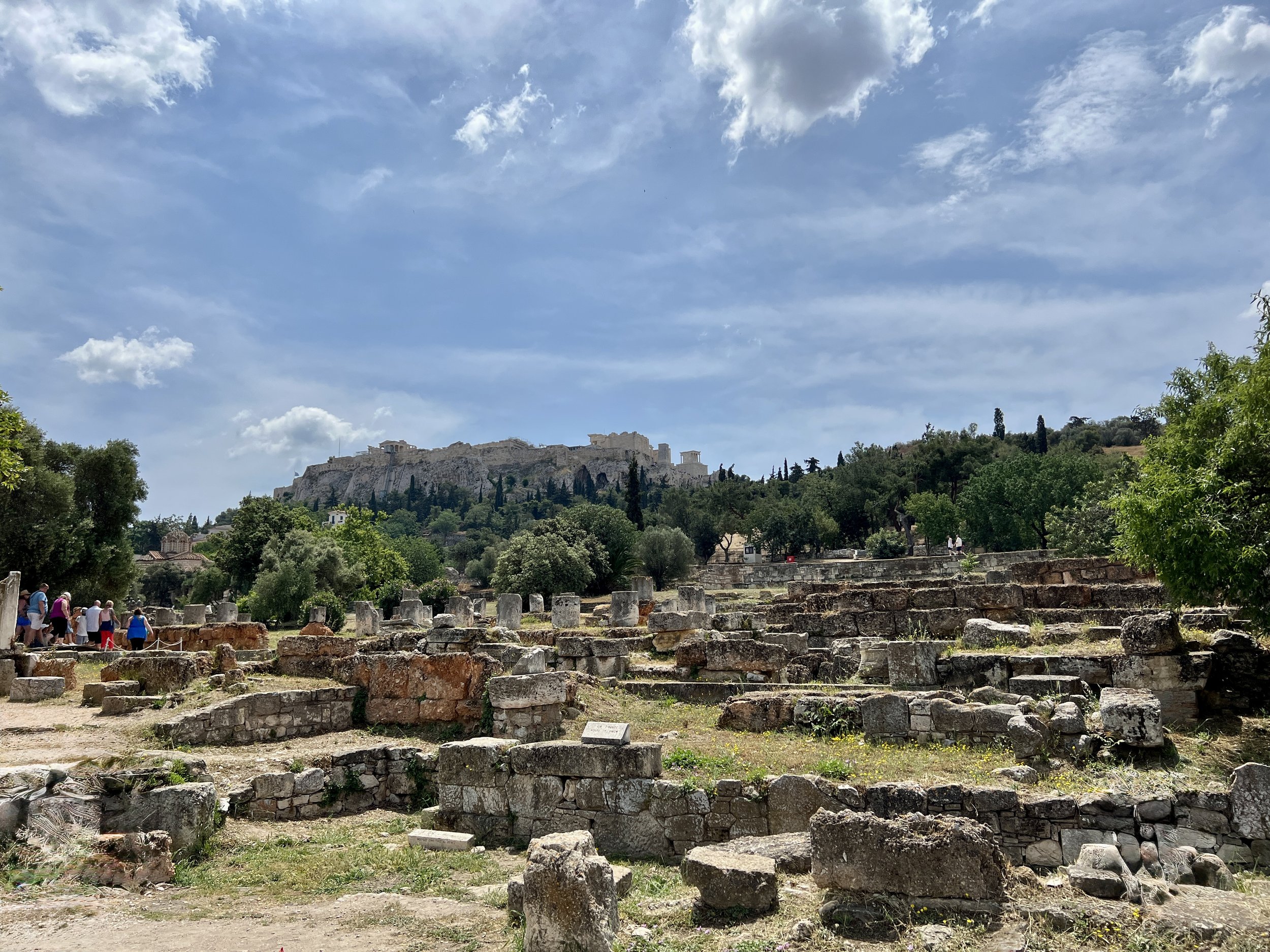
The awe inspiring structures on the acropolis high above the agora, the Parthenon and the Temple of Athena Nike, had been gleaming in the sun for nearly 500 years already
The grand processions on the Panathenic way through the agora and up to the acropolis had been going on since 566 BC
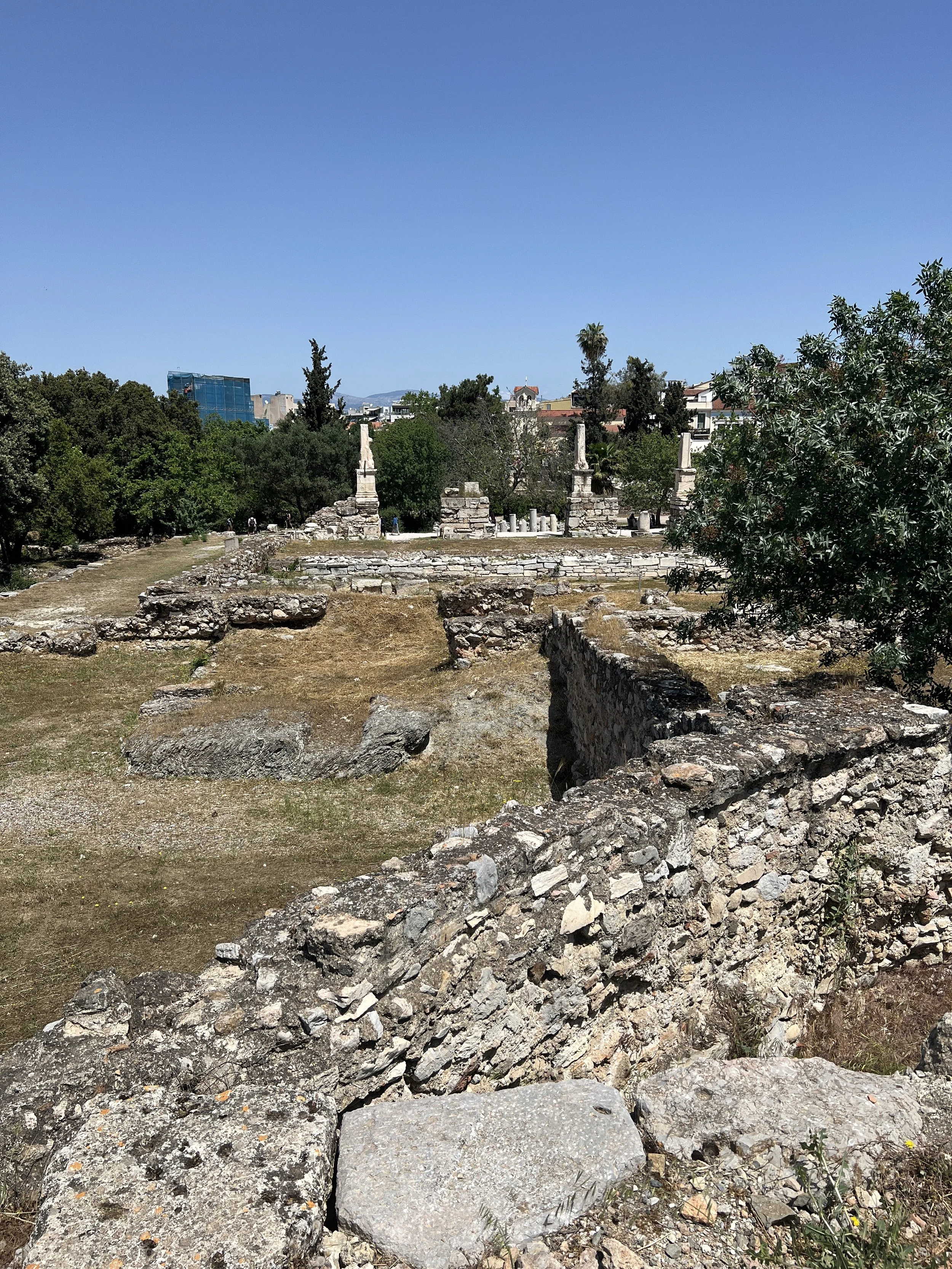
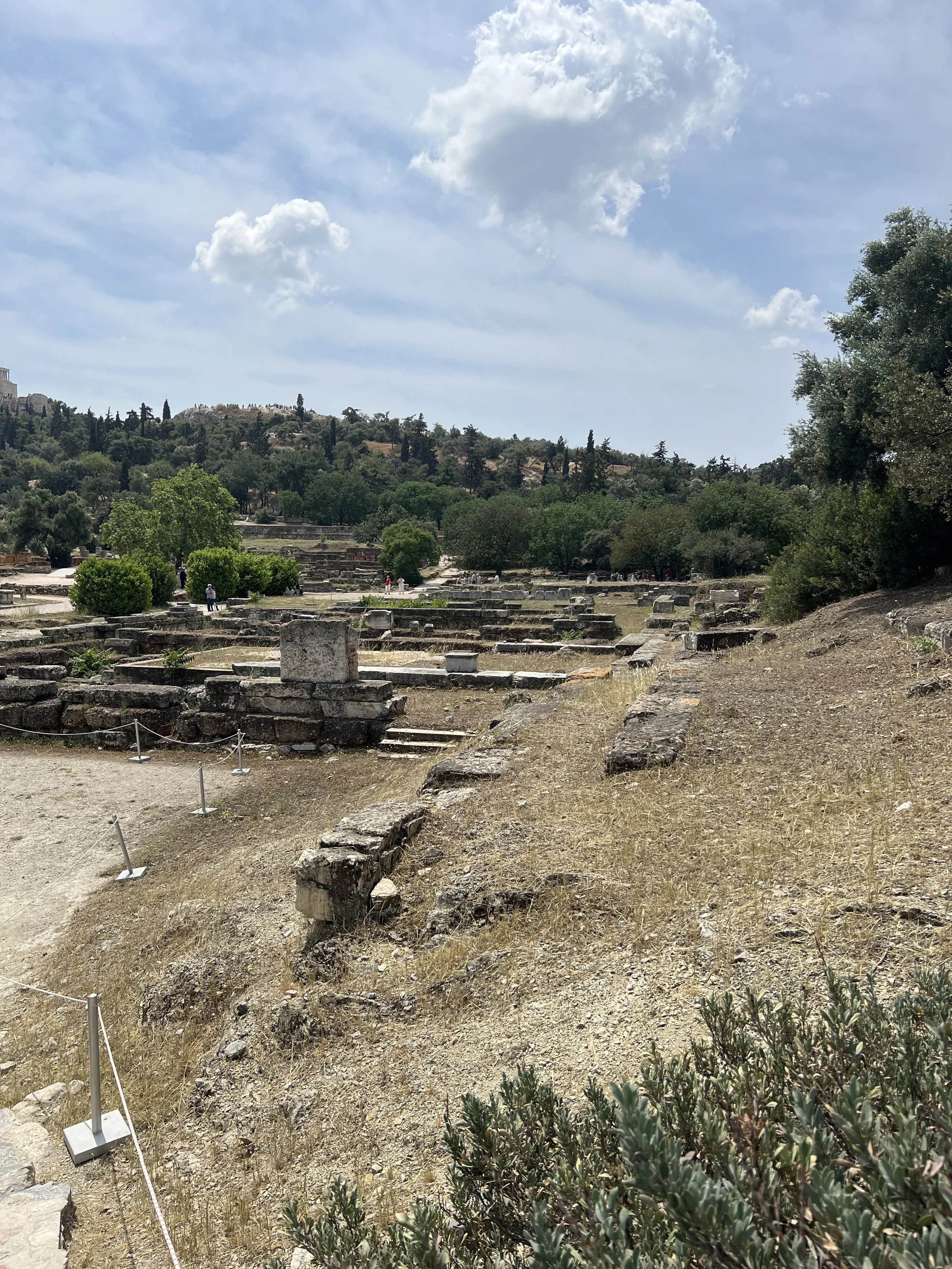
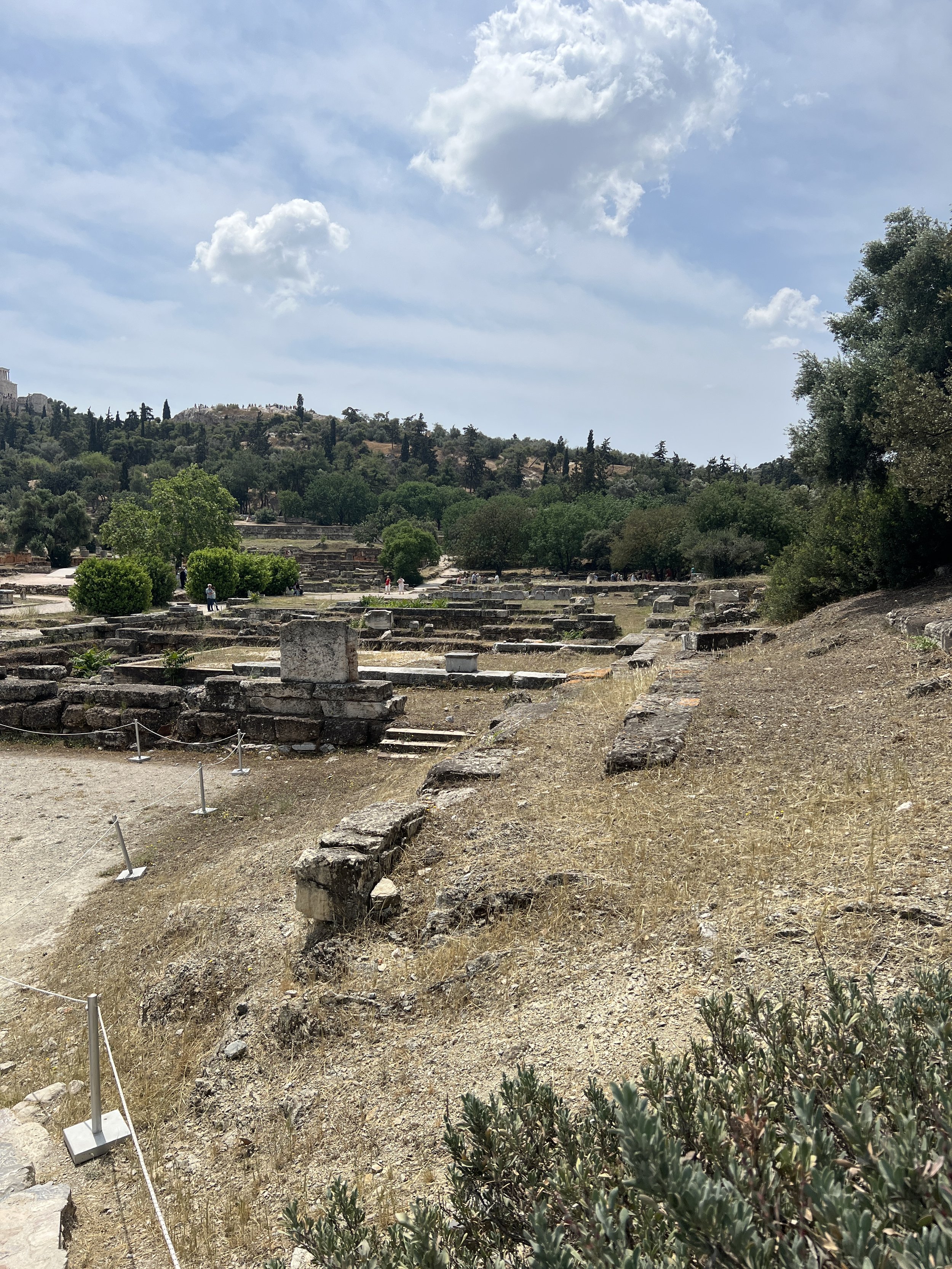
Athen’s was still an intellectual capital of the Greek world, but Rome was taking over. Athens was still a center of philosophy and a place to argue and entertain any and every school of thought and idol and false god. Paul clearly recognized how far from truth all of their famous philosophies and temples had taken the Greek and Roman world. God placed Paul in Athens, debating with the intellectuals and civic leaders, at a time when the message of Christ crucified and risen would be given a hearing, and at the beginning of the decline of this world of false gods. Just 30 or so years later, the agora would become more of a roman administrative center. In the next two centuries Athens would be invaded by Germanic tribes and Visigoths and the lauded agora with most of its temples would be lost under layers of rubble and dirt.
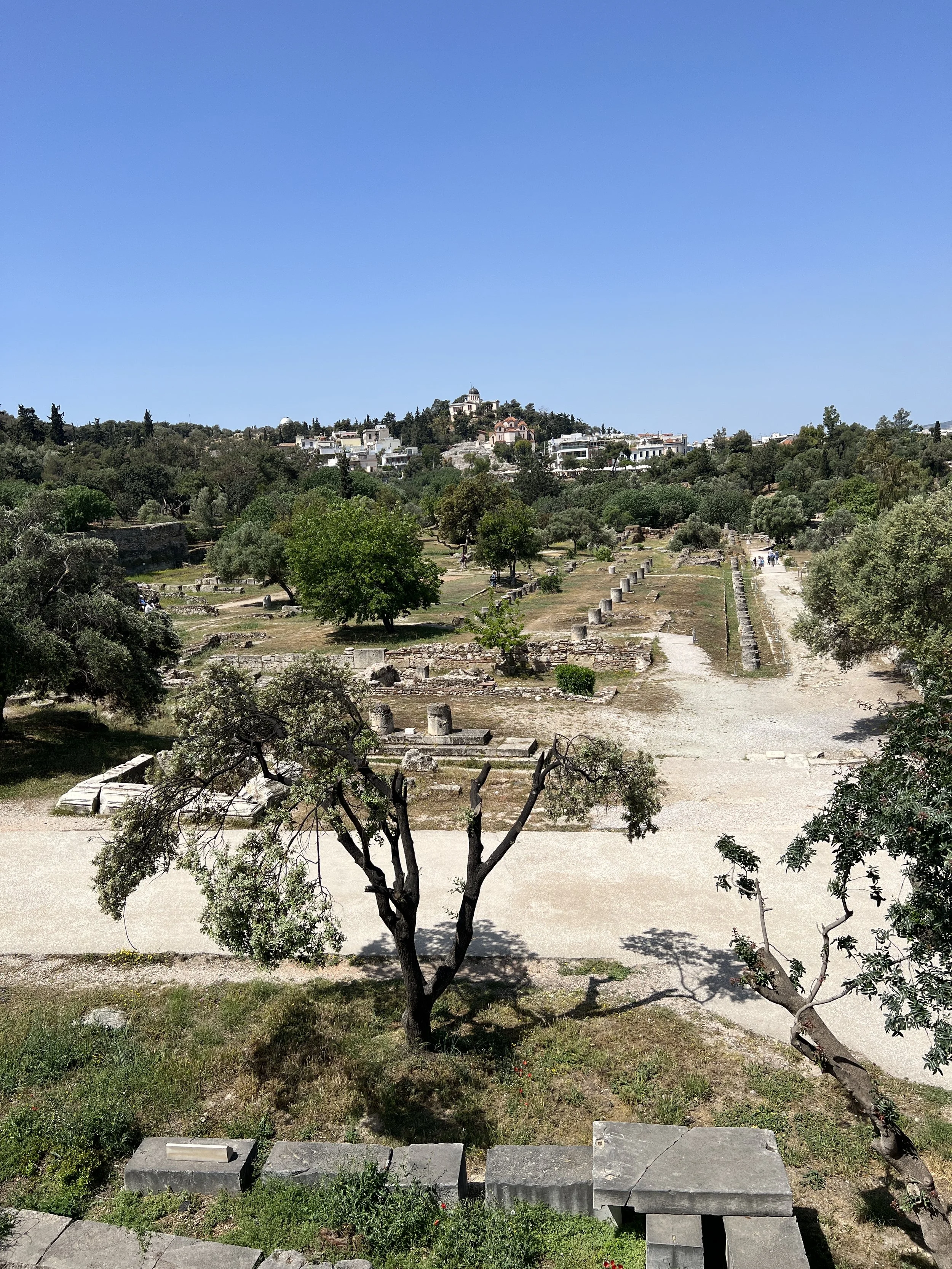
The world would not discover the Athenian Greek Agora again until the 1930’s. The Temple of Hephaistos survived largely because it became a Christian Church. The same is true of the Parthenon (until it was blown up in 1687!). What a contrast to the enduring message of salvation that Paul introduced to the Areopagus of Athens!
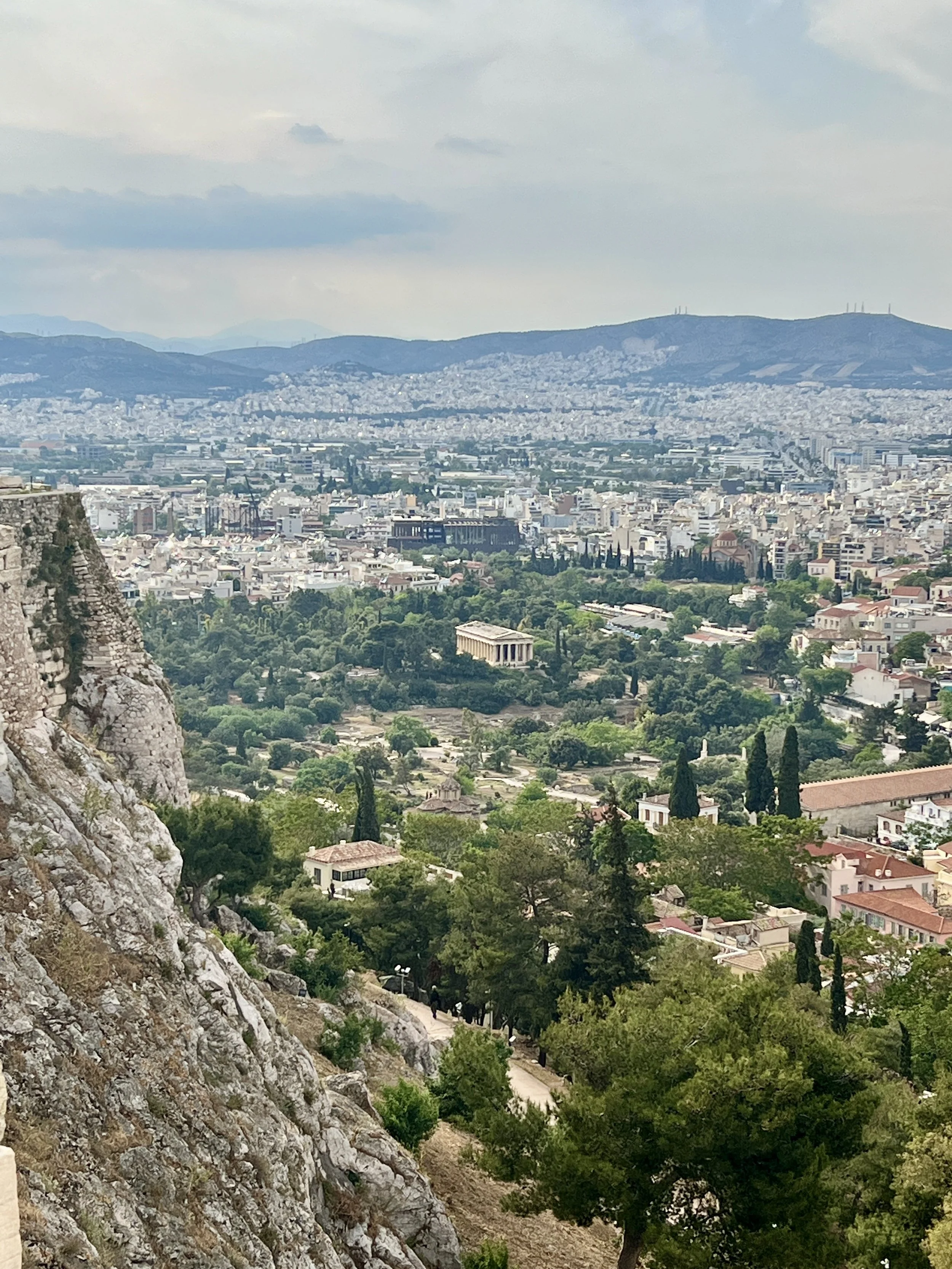
View of the Greek Agora from the acropolis, the Temple of Hephaistos is prominent in the center of the photo.ff