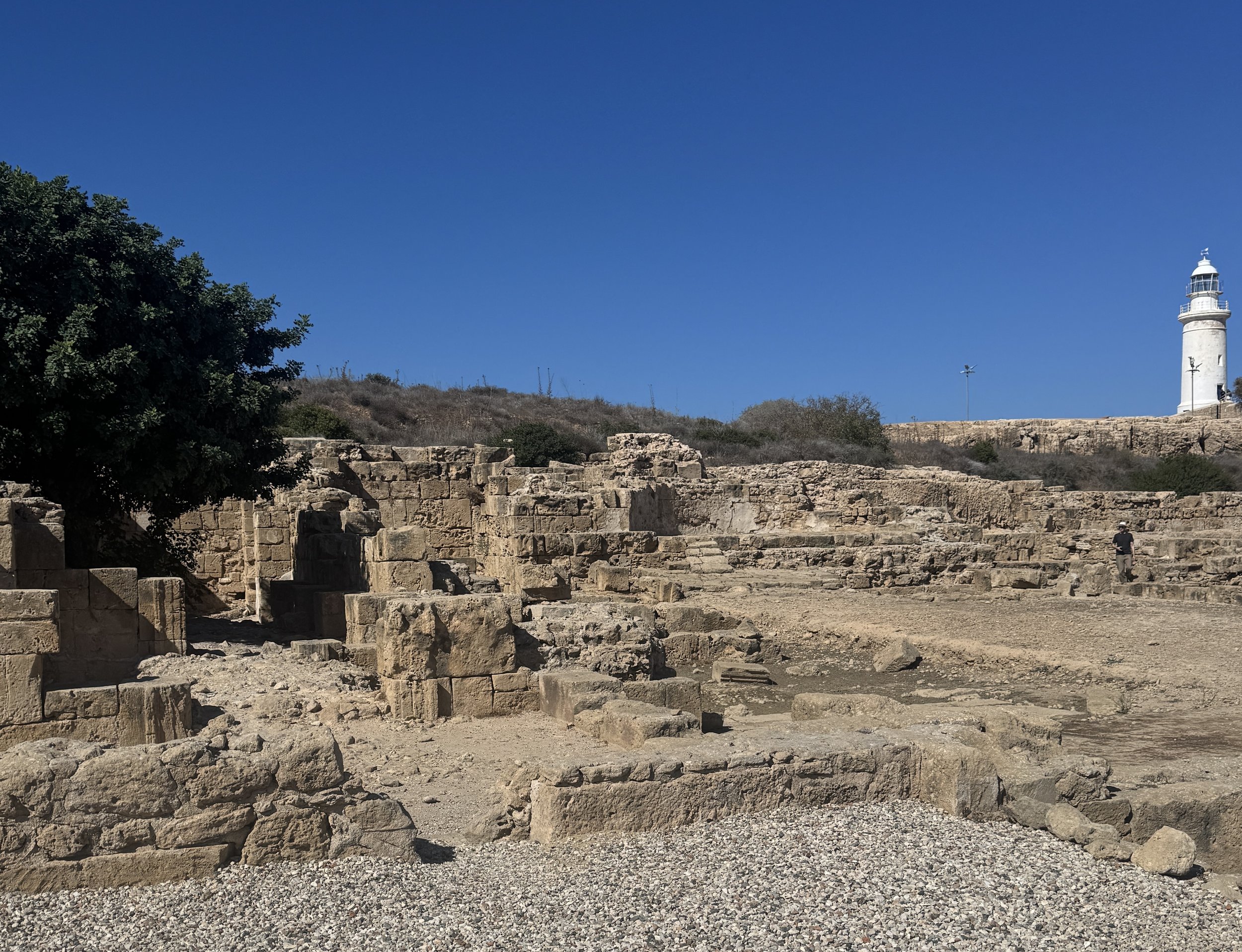
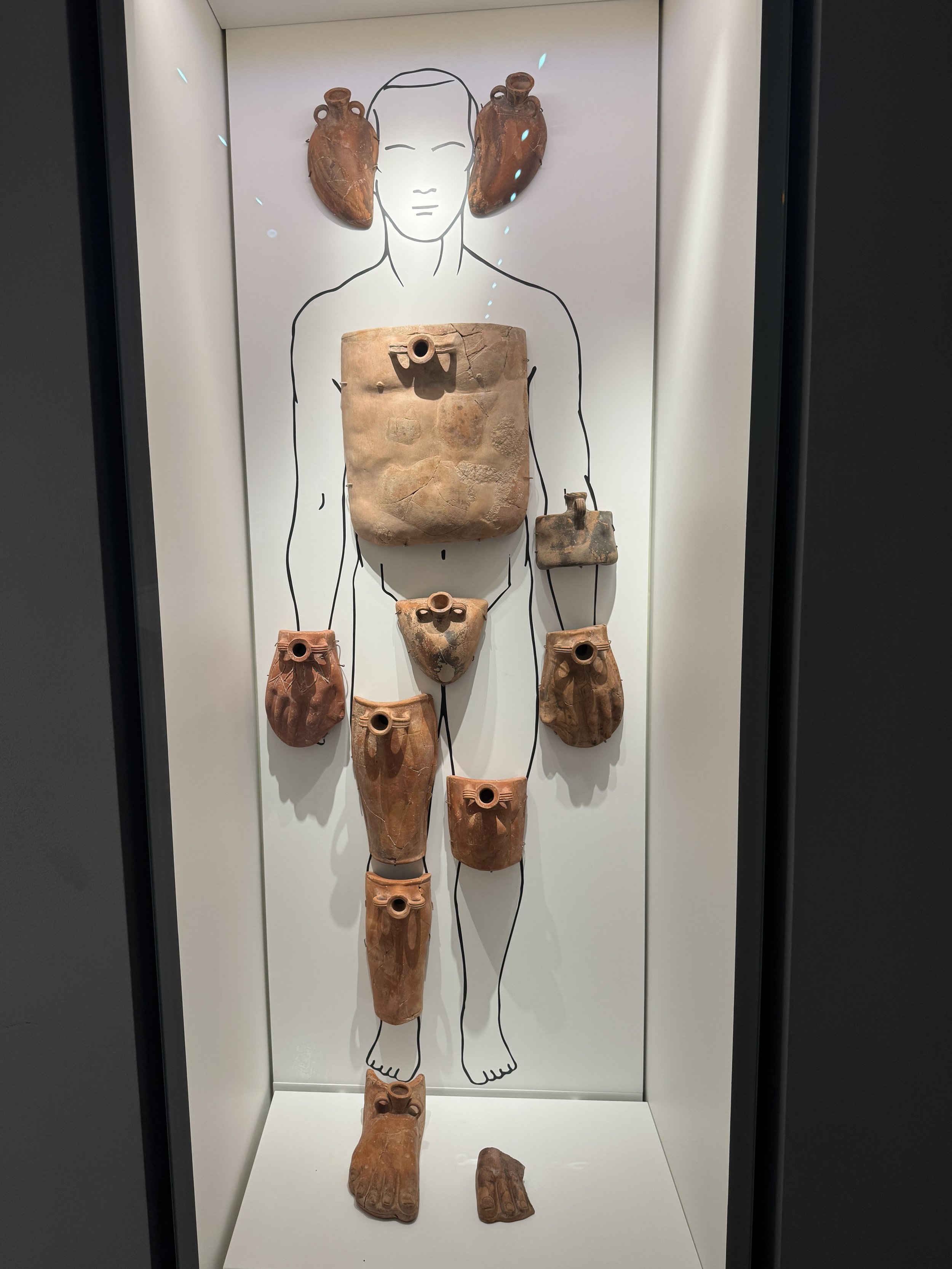
Hellenistic and Roman Asclepions
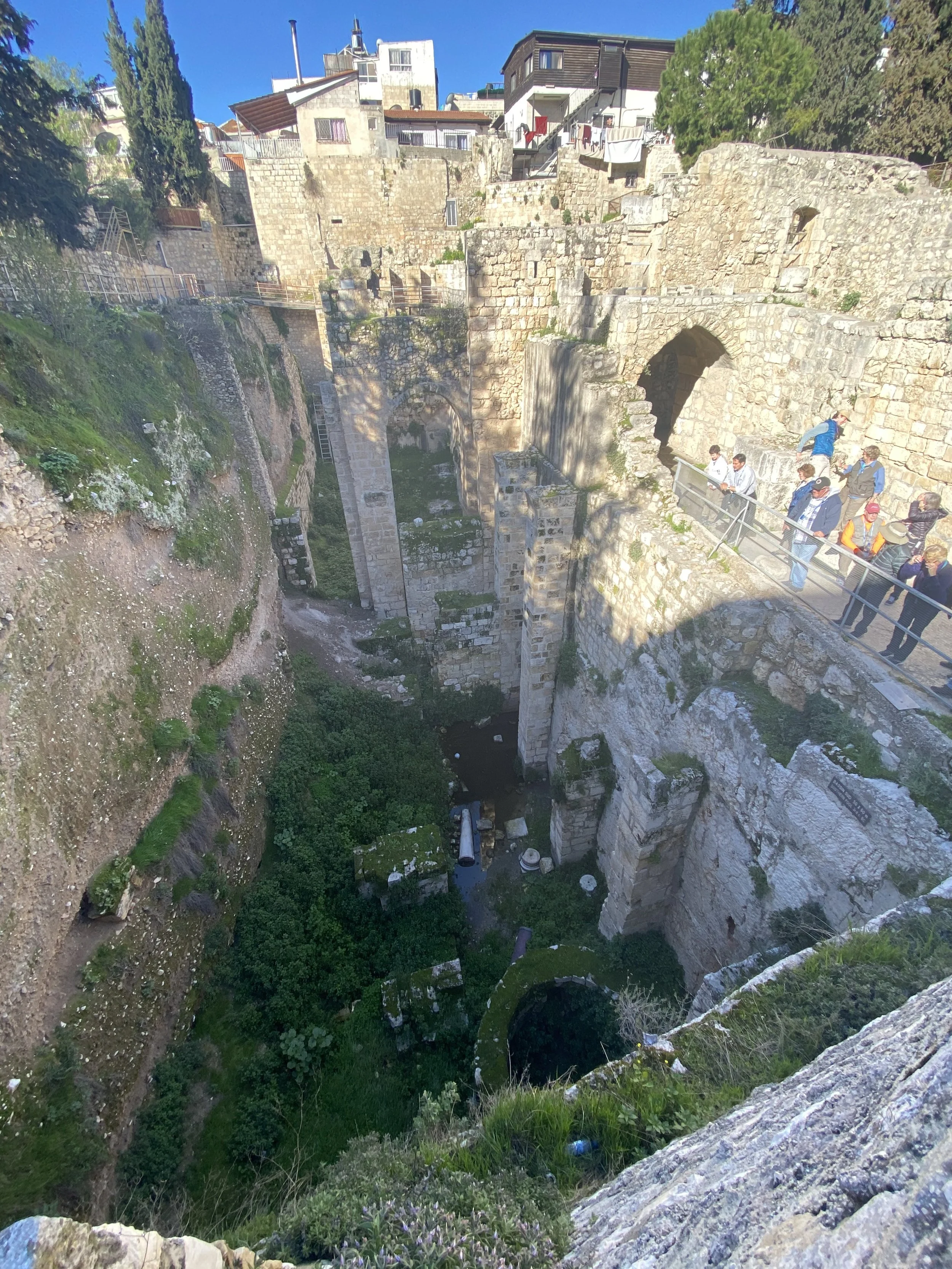
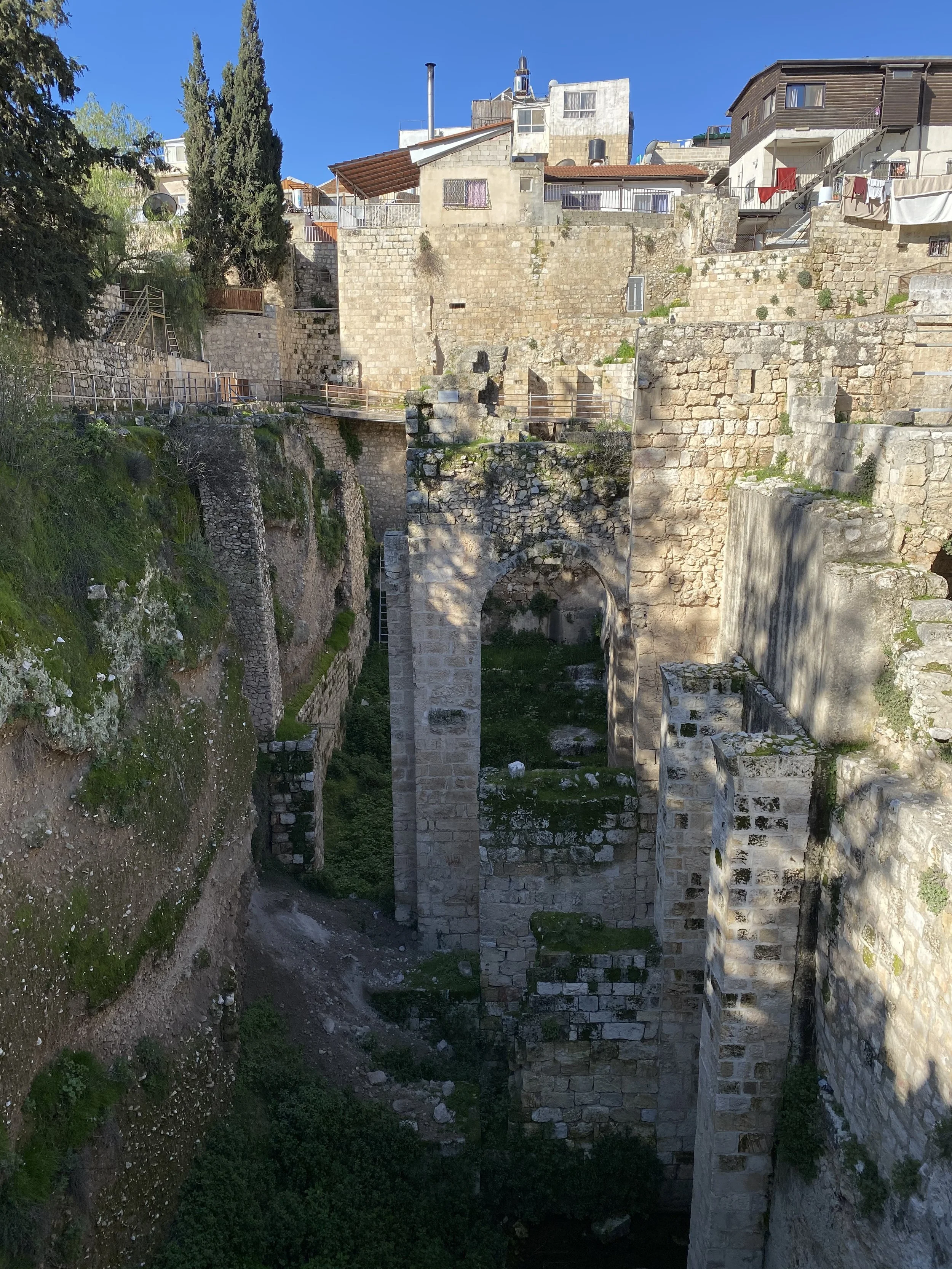
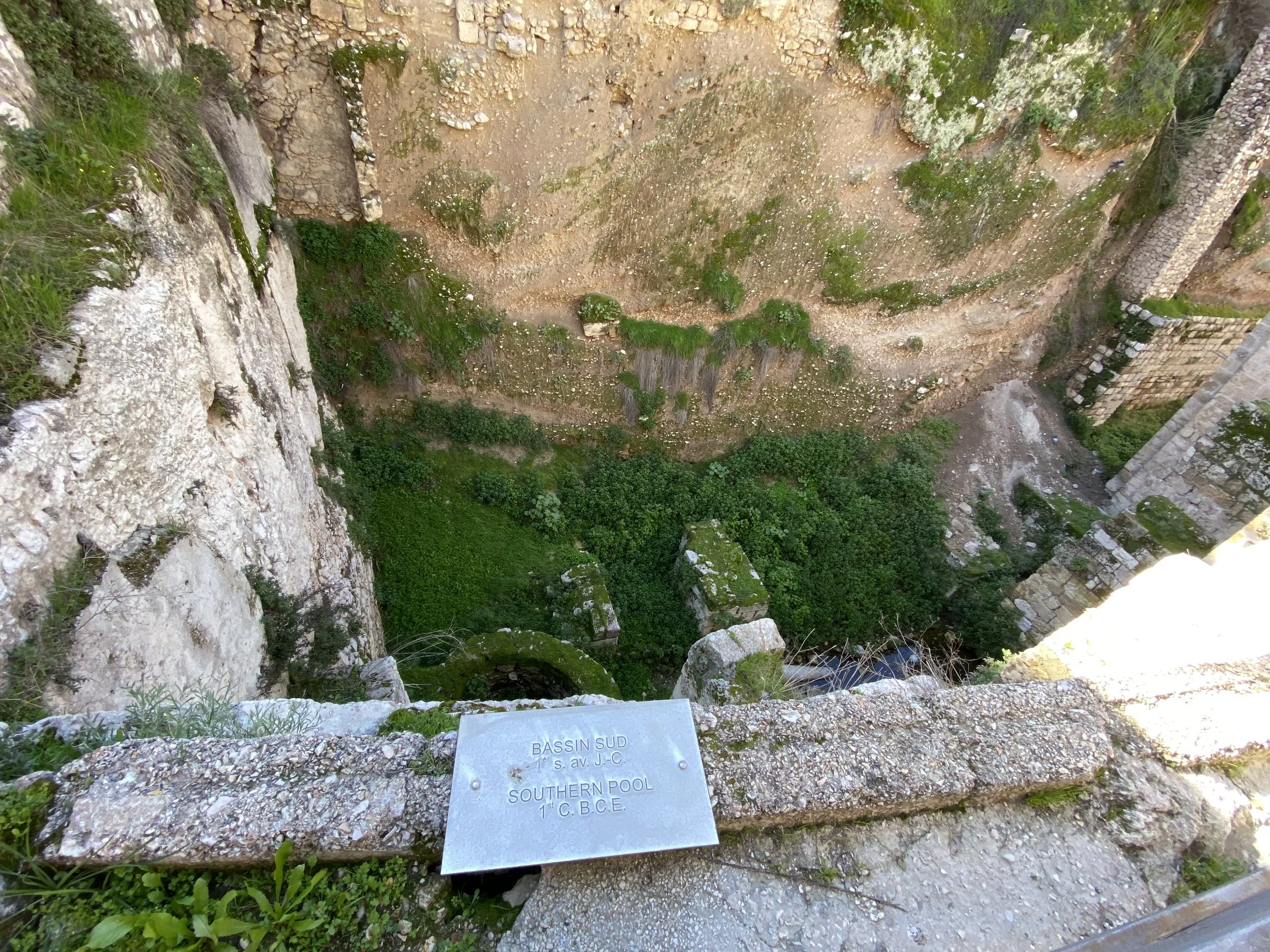
Now there is in Jerusalem by the Sheep Gate a pool, in Aramaic called Bethesda, which has five roofed colonnades. In these lay a multitude of invalids - blind, lame and paralyzed. One man was there who had been an invalid for thirty-eight years. When Jesus saw him lying there… Jesus said to him, ‘Get up, take up your bed, and walk.’” John 5:2–5, 8
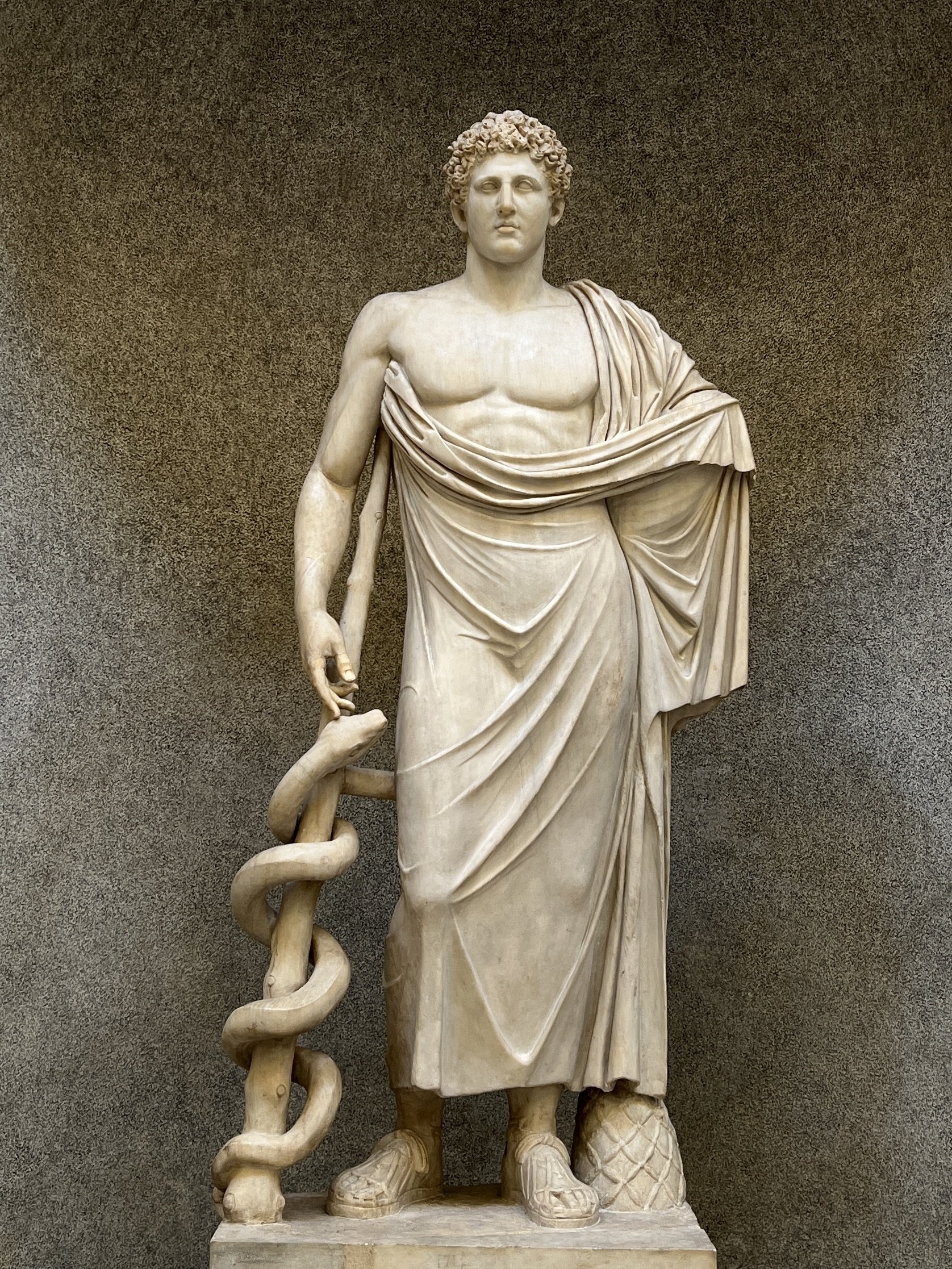
In the mid–second century AD, Emperor Hadrian rebuilt Jerusalem as Aelia Capitolina, attempting to erase Jewish and Christian sacred sites with pagan equivalents. Ironically, he preserved them. At the Pool of Bethesda, he constructed a pagan healing temple—an Asclepion - dedicated to the healing god Asclepius, thereby fixing the site’s memory and location in history.
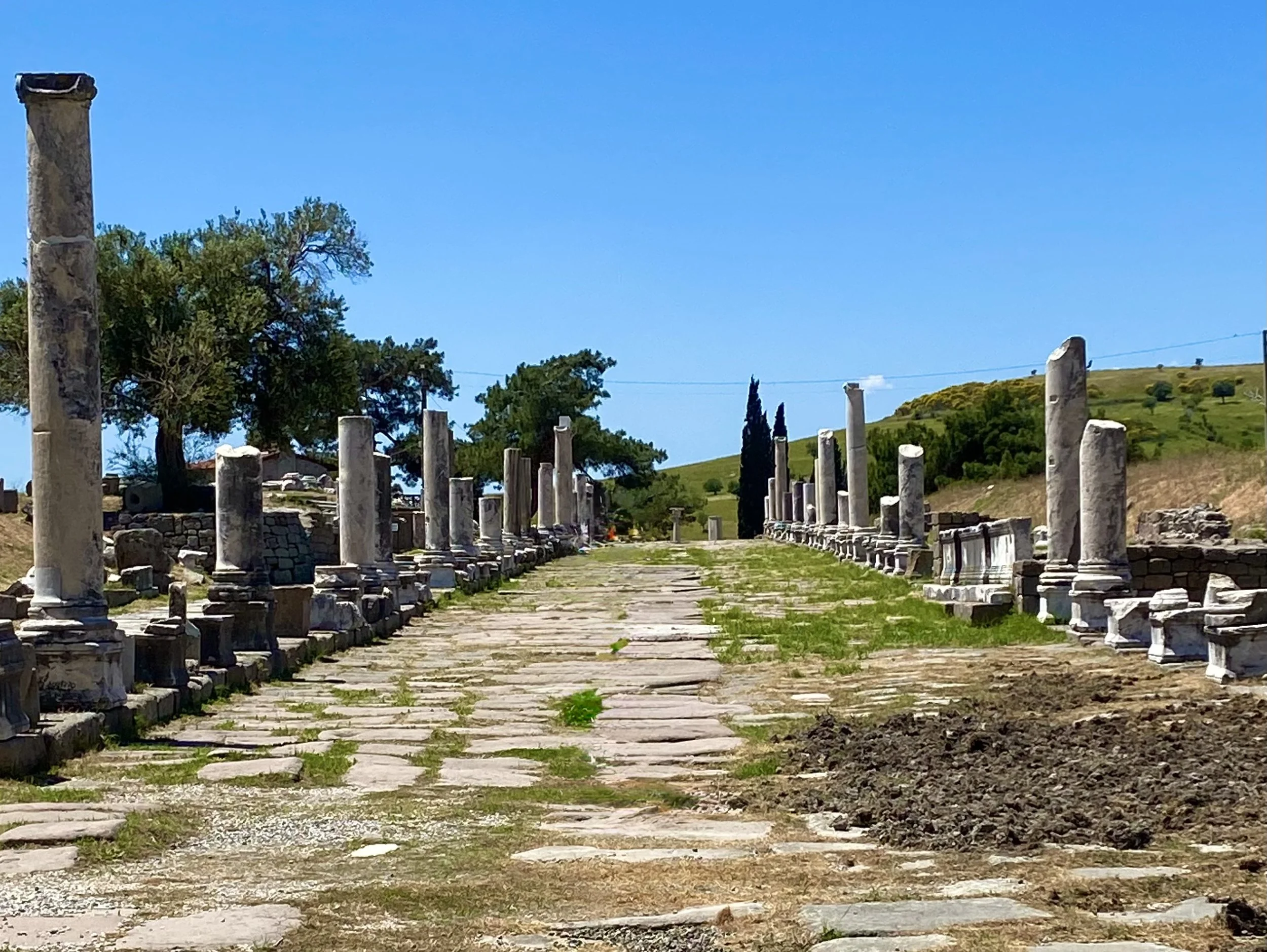
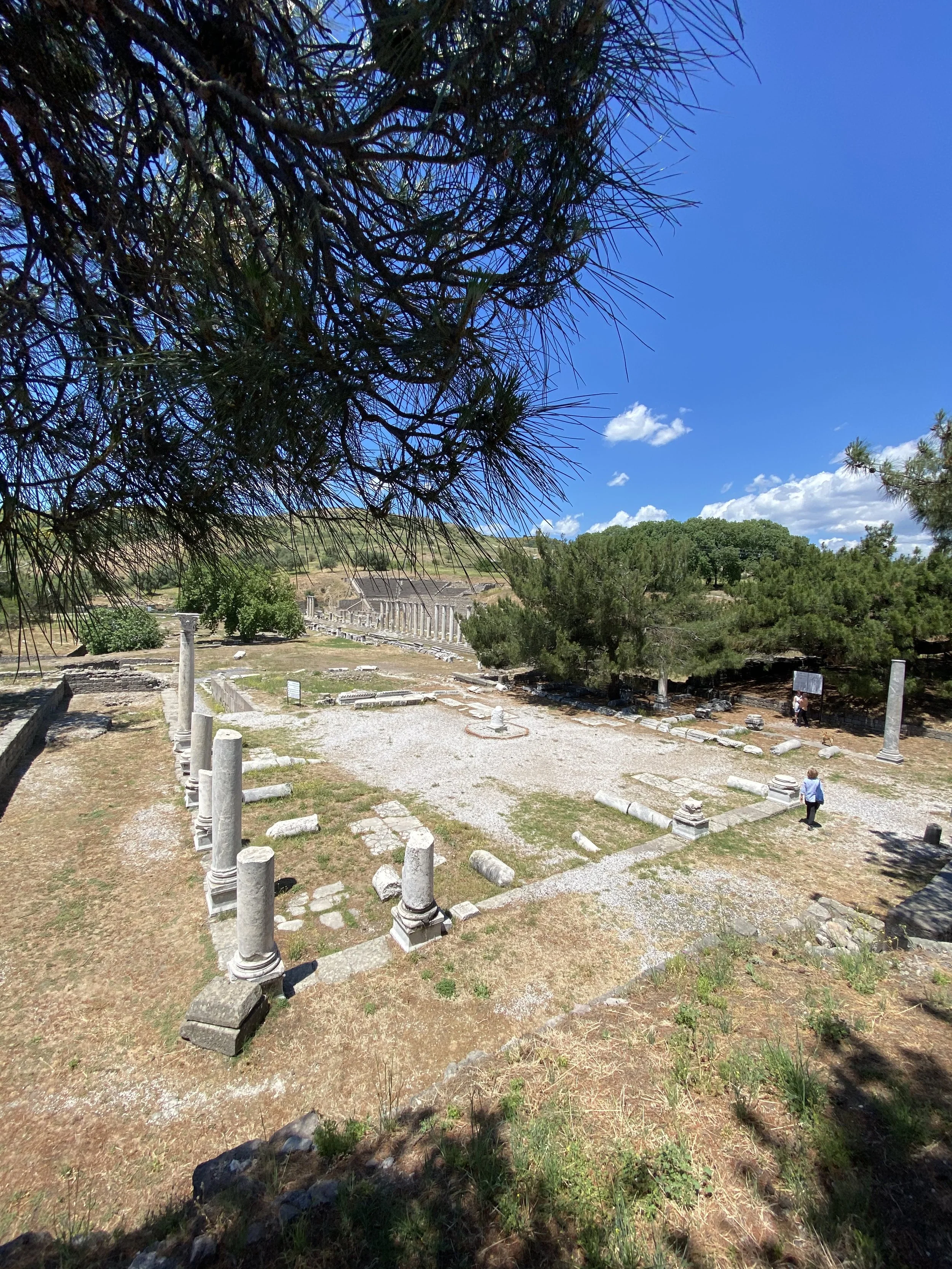
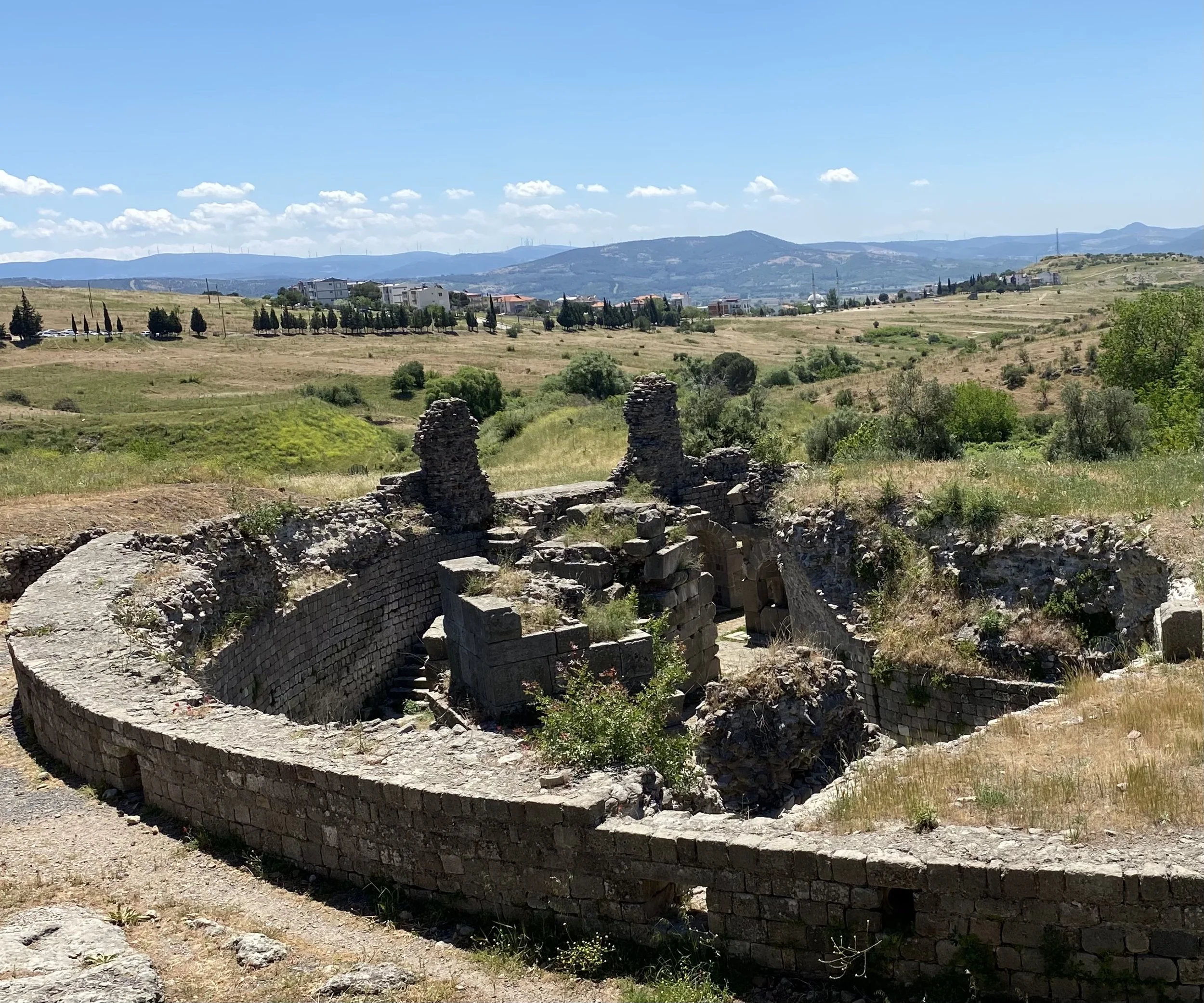
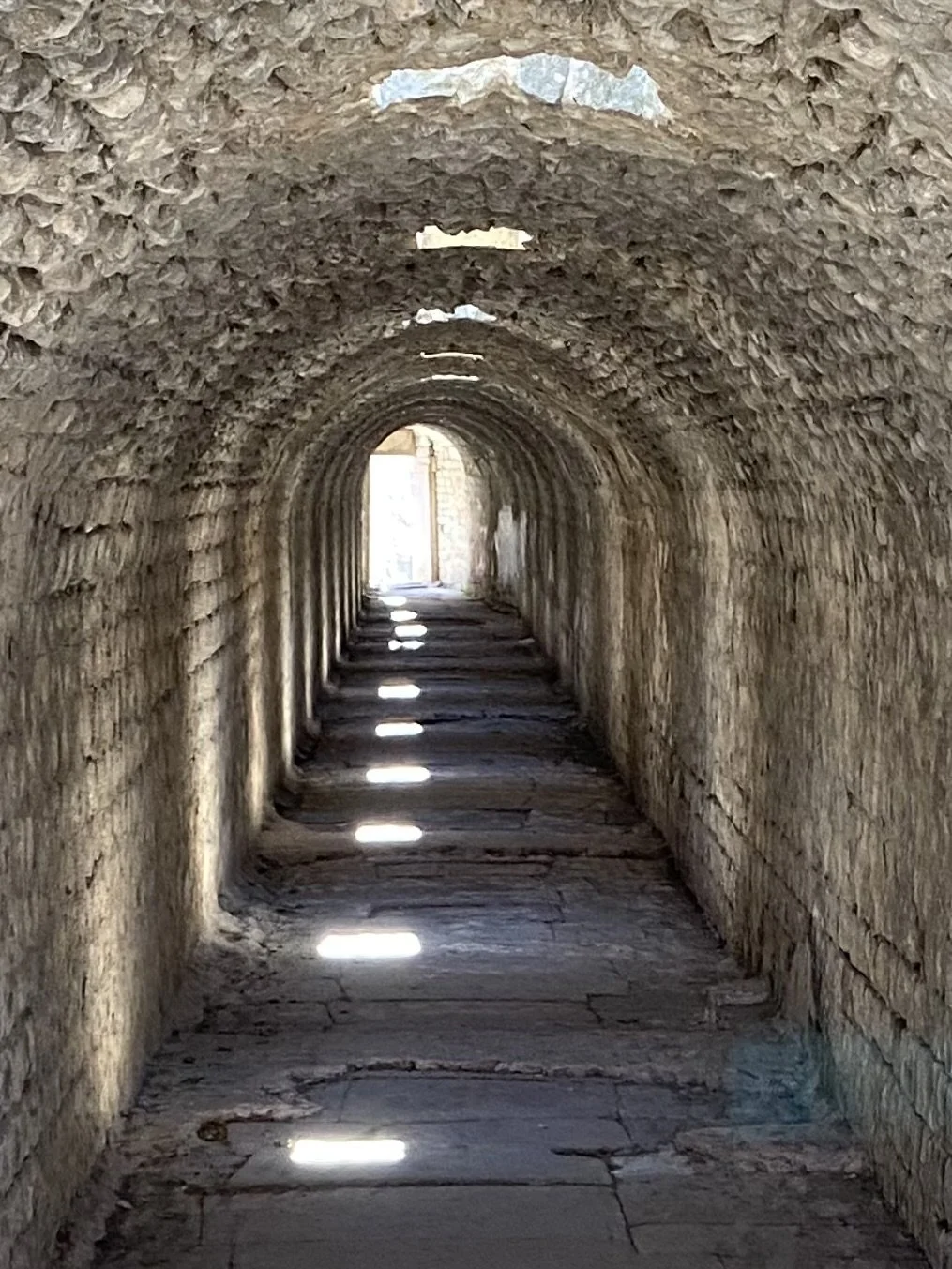
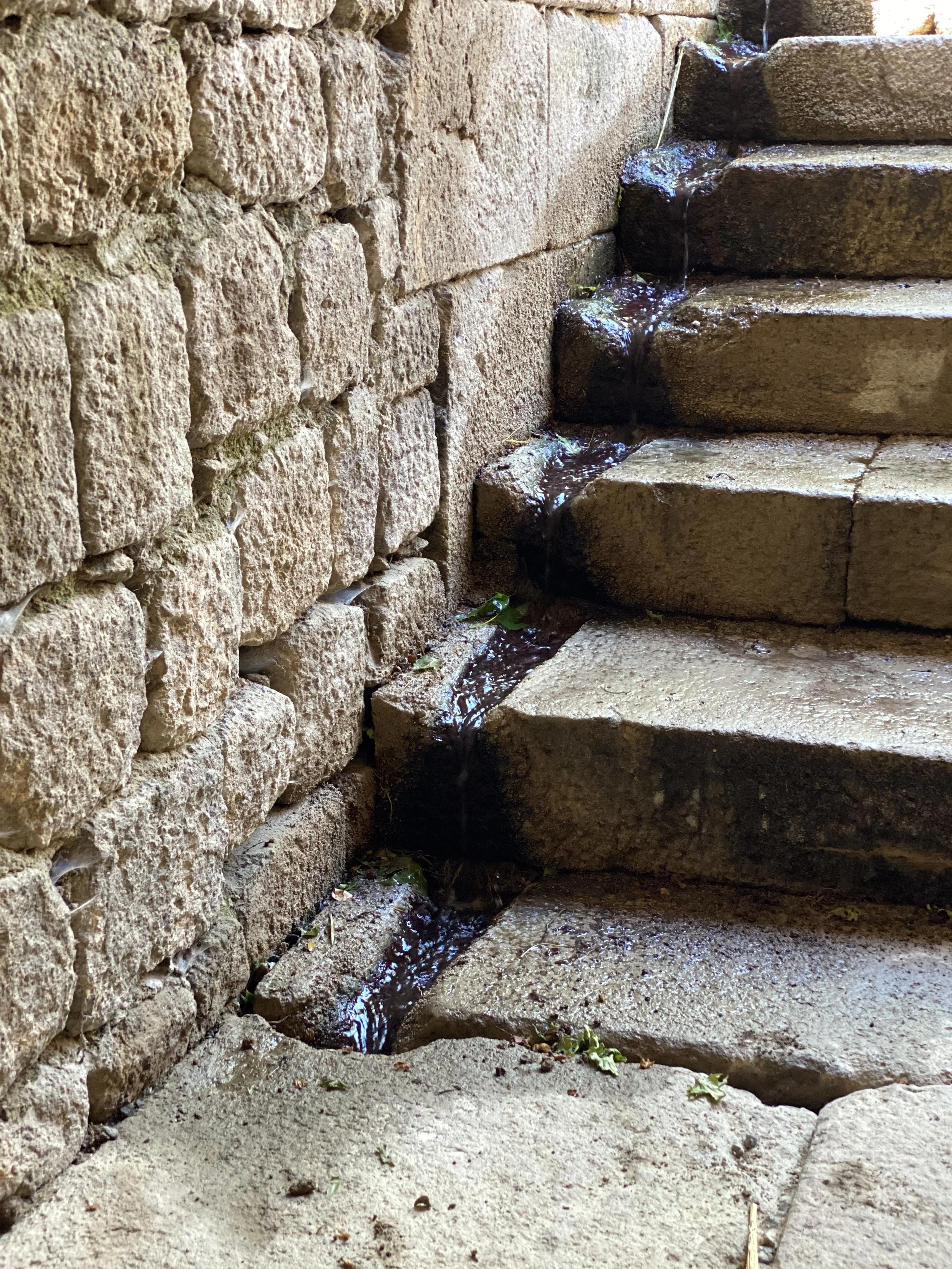
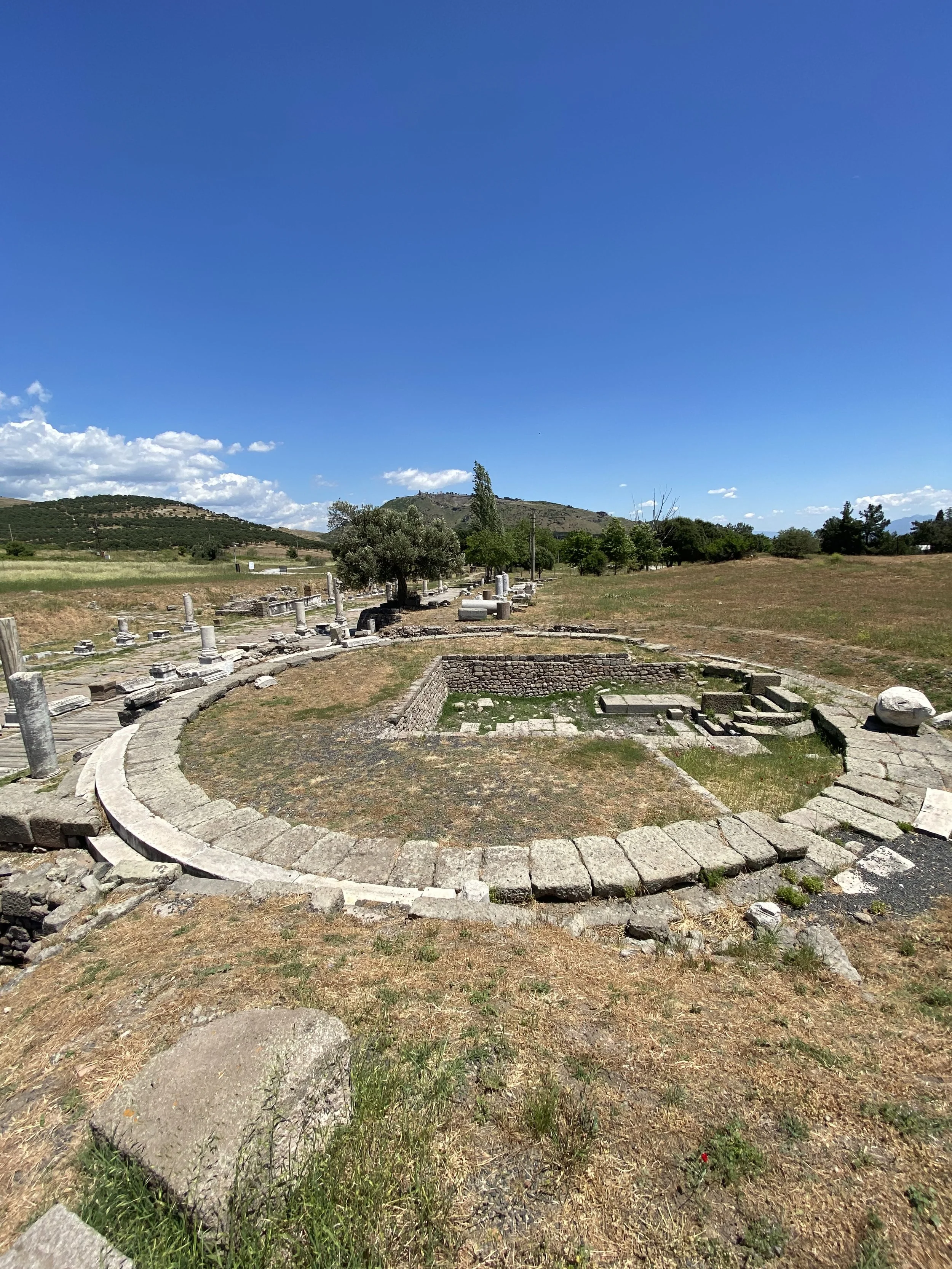
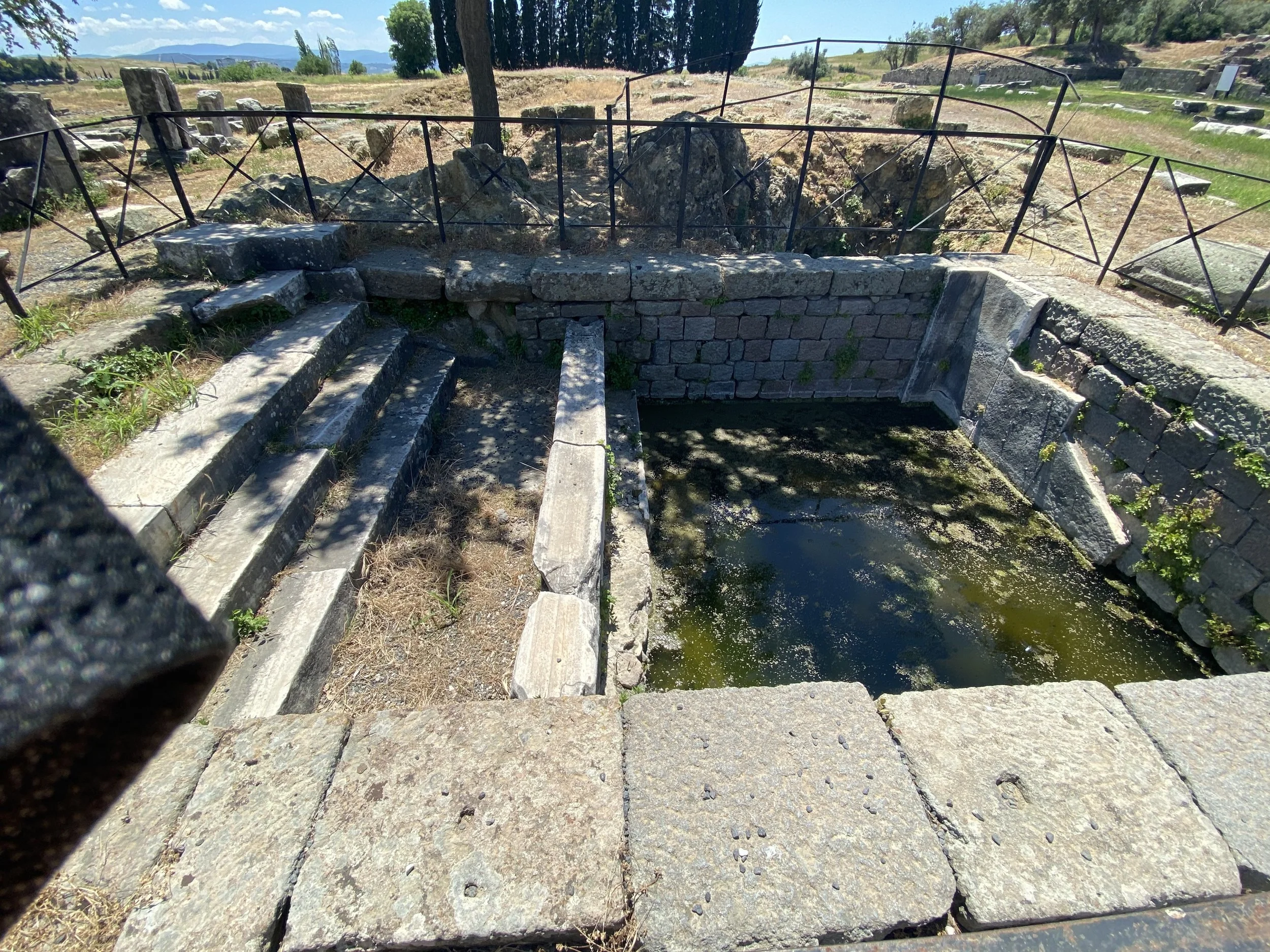
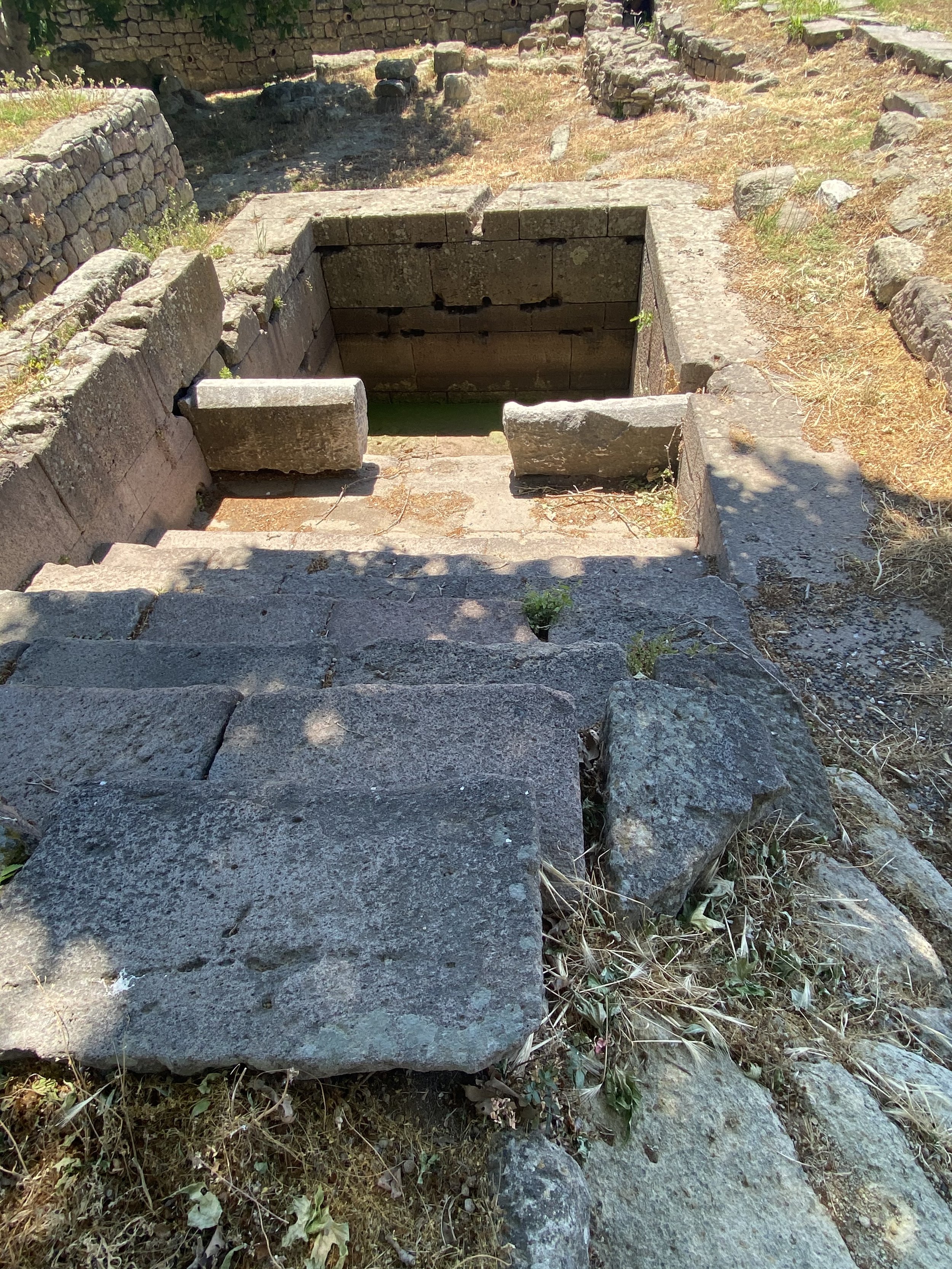
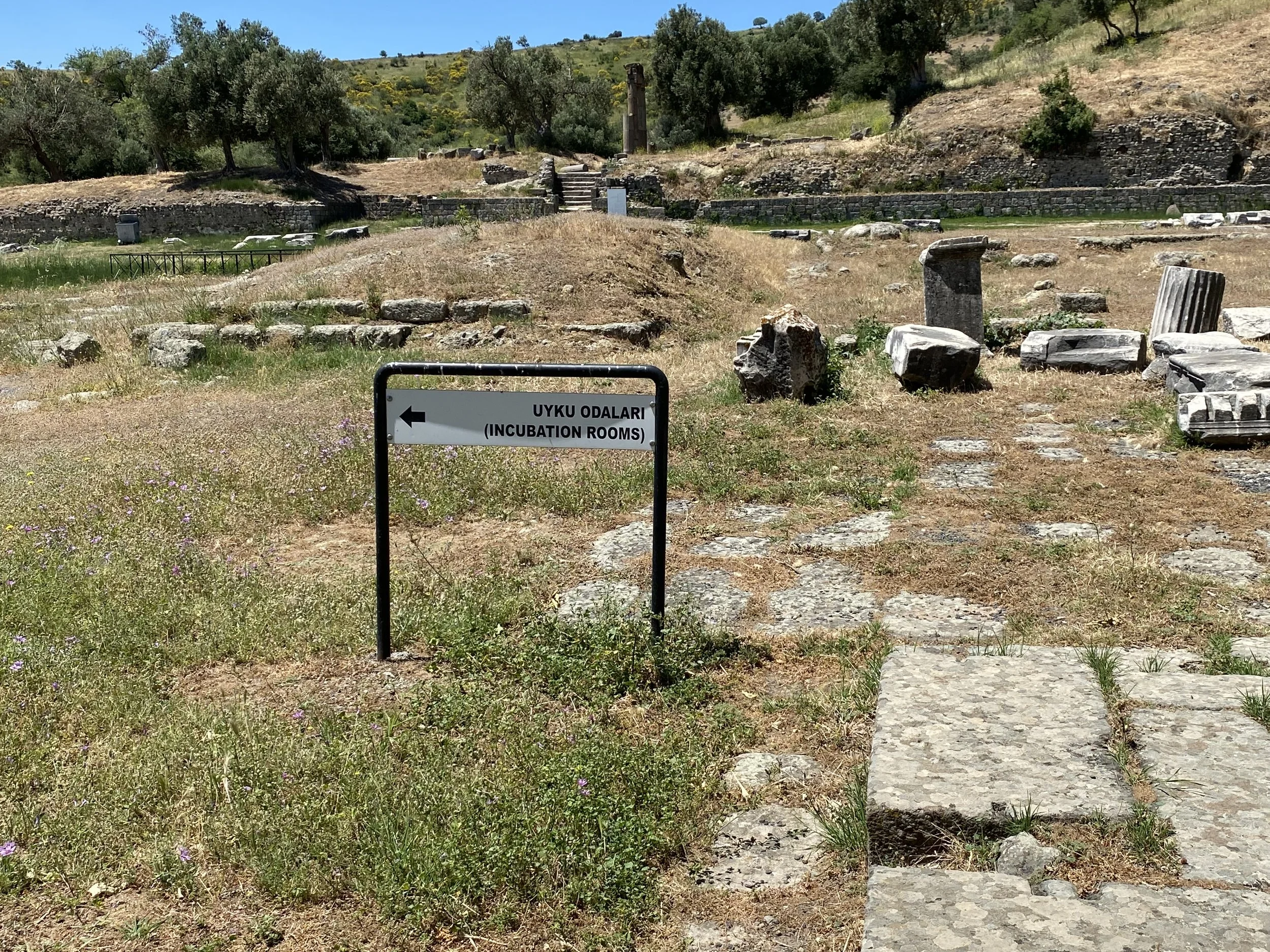
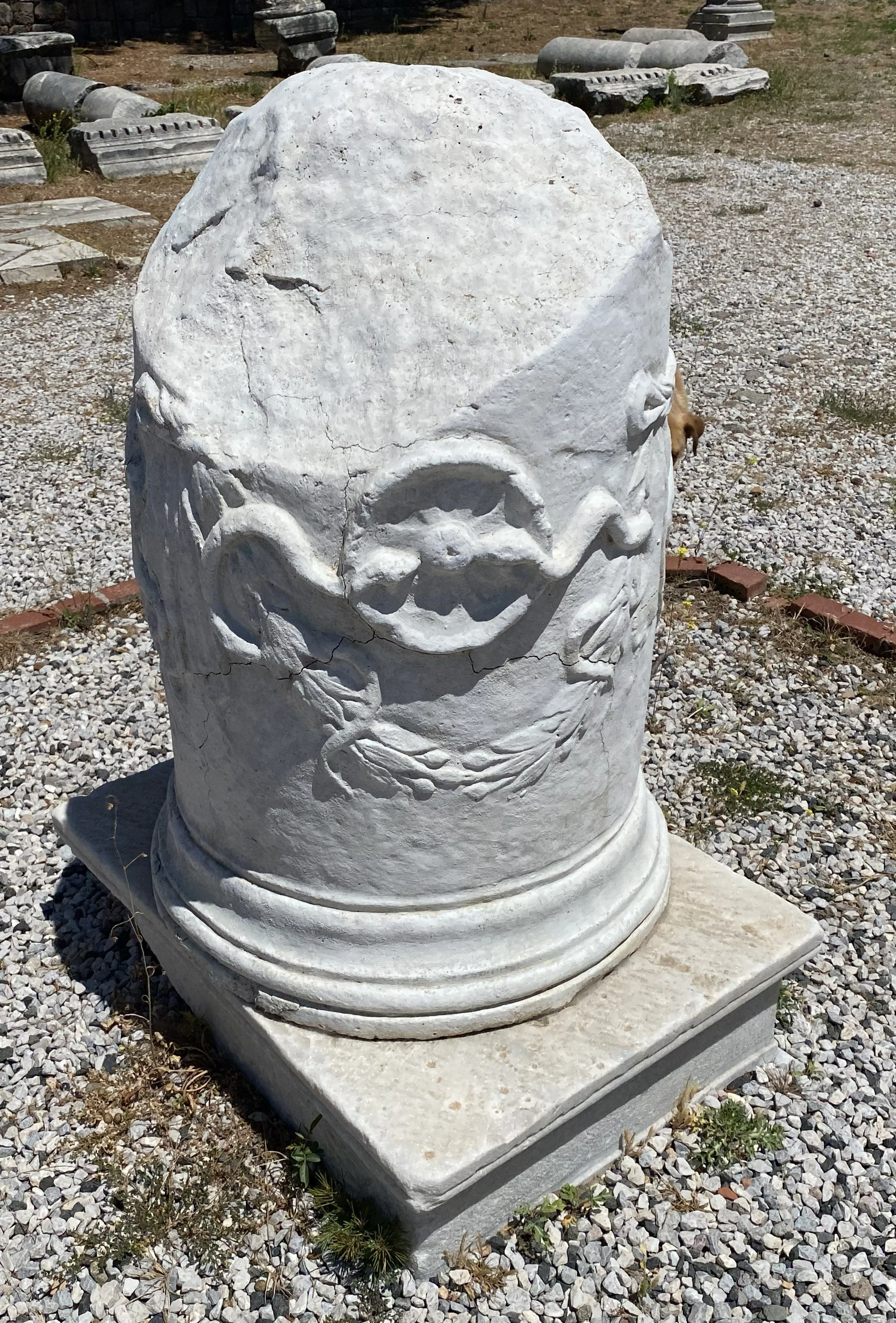
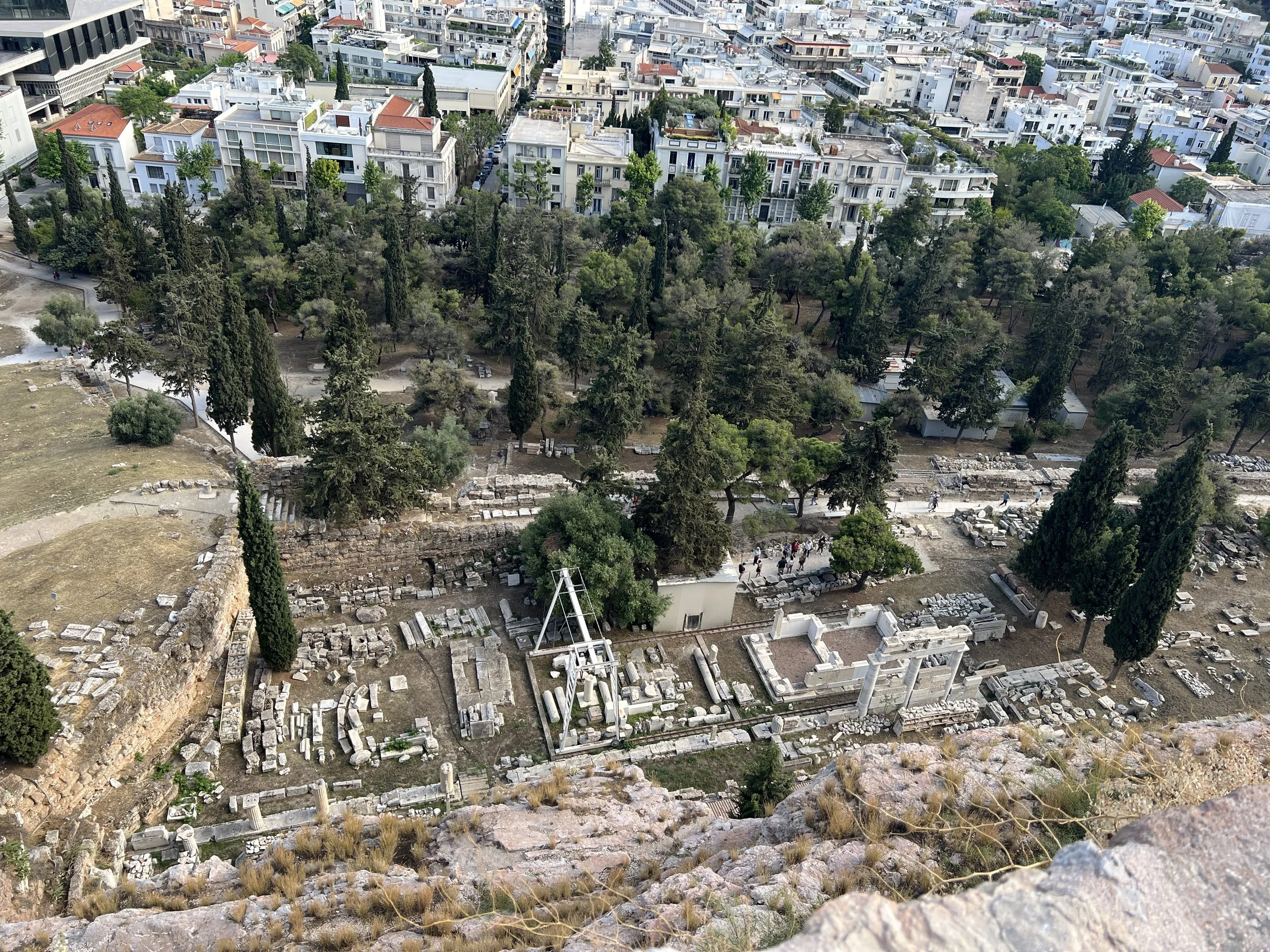
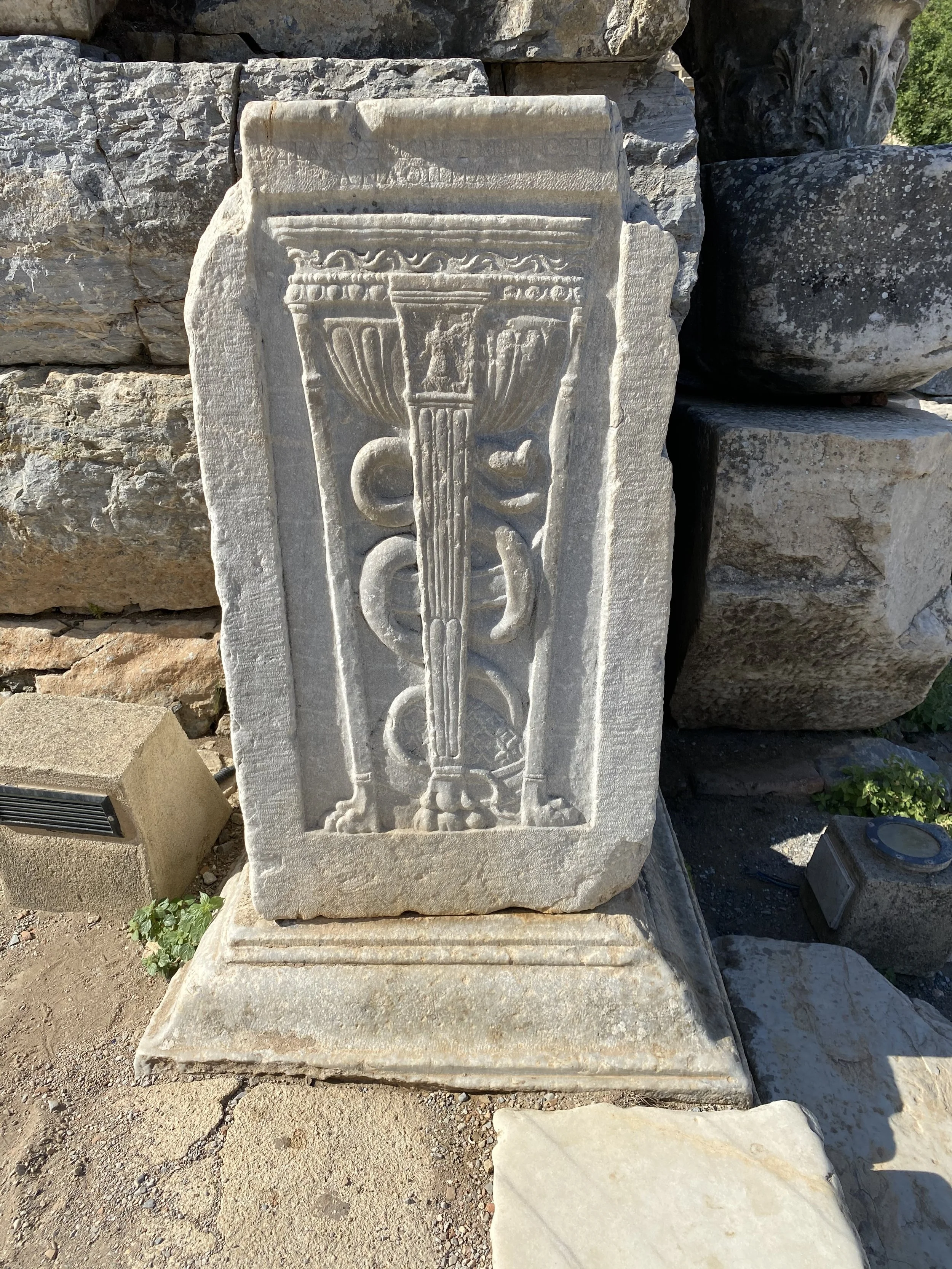
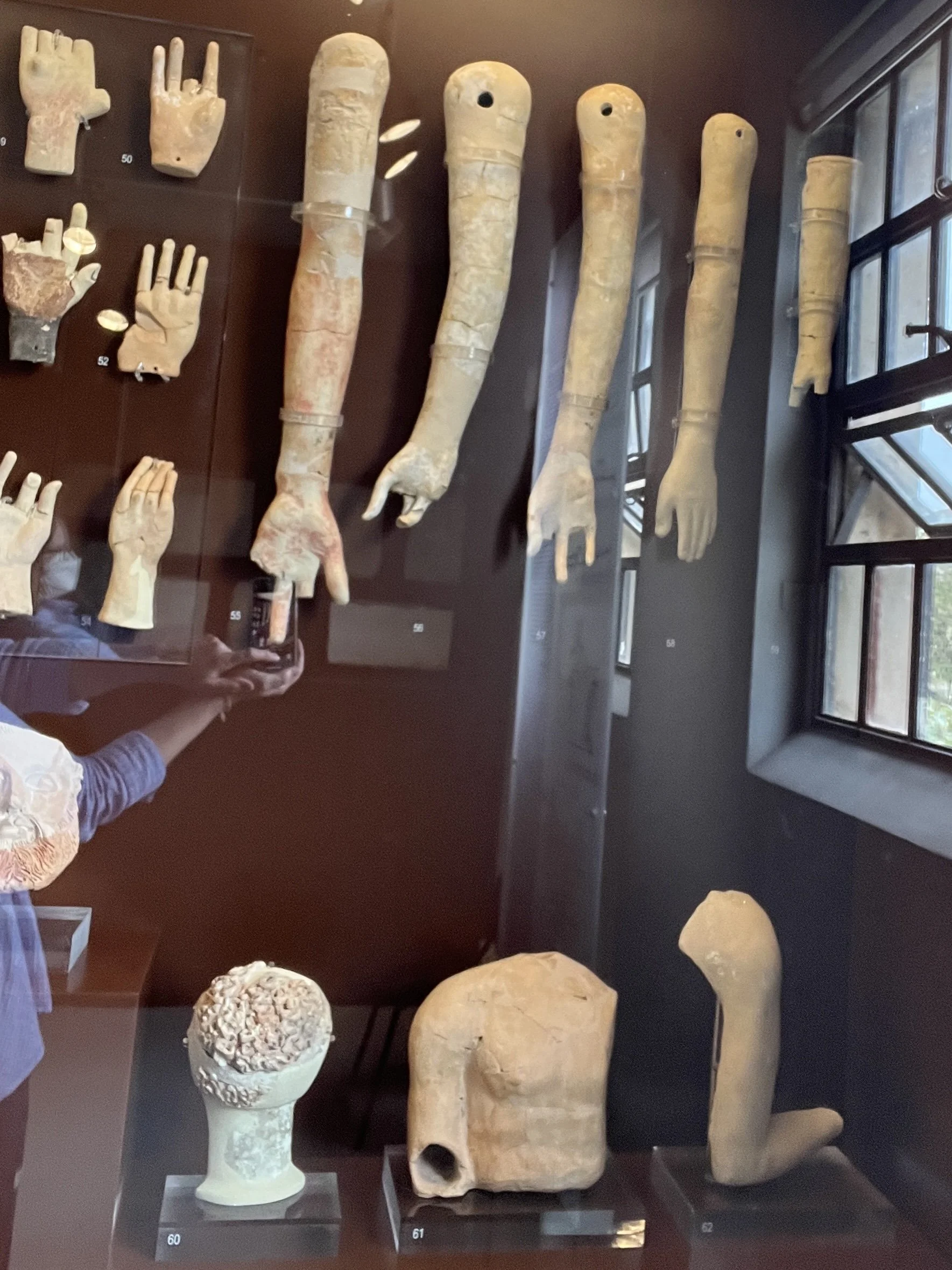
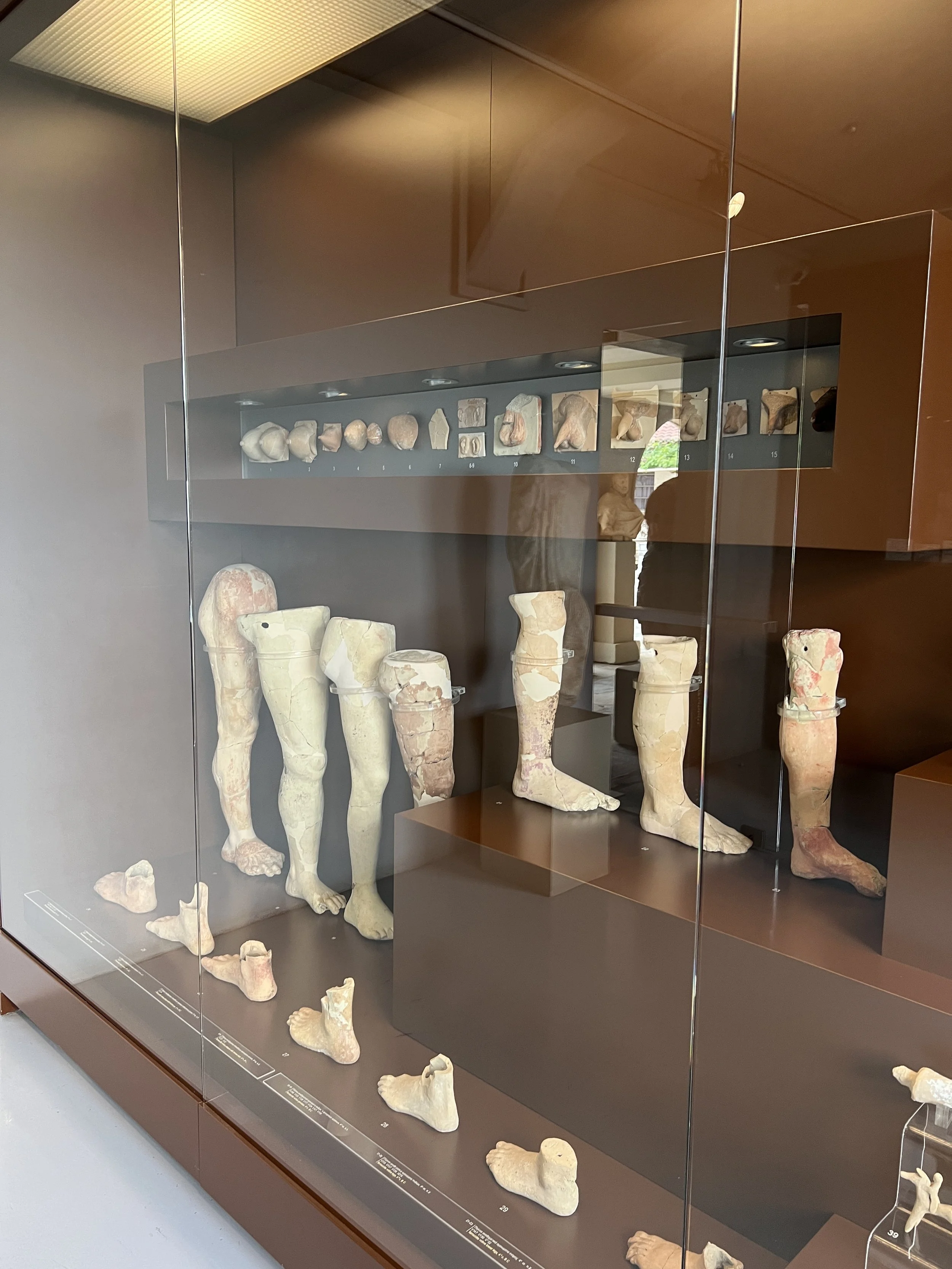
Asclepions served as ancient healing centers, combining ritual, medicine, sacred water, and dream incubation in halls called abatons. Patients sought cures through offerings, sacred springs, and visions of Asclepius. The environment was calming (unless you are freaked out by snakes – then not calming!) flowing water, healthy diet, exercise, plays and poetry and dream interpretation. Asclepions usually had a sacred spring and patients were treated with its waters. In Pergamon, the spring water of the Asclepion is thought to have been mildly radioactive! Non venomous snakes were usually roaming free in the temple grounds of the Asclepion and symbolized healing.
Against this cultural backdrop, Jesus and his disciples taught a radically different path to true healing. Not through pagan worship, mystical waters, or serpents, but through faith in the risen Christ , repentance, and the restoring power of divine grace.
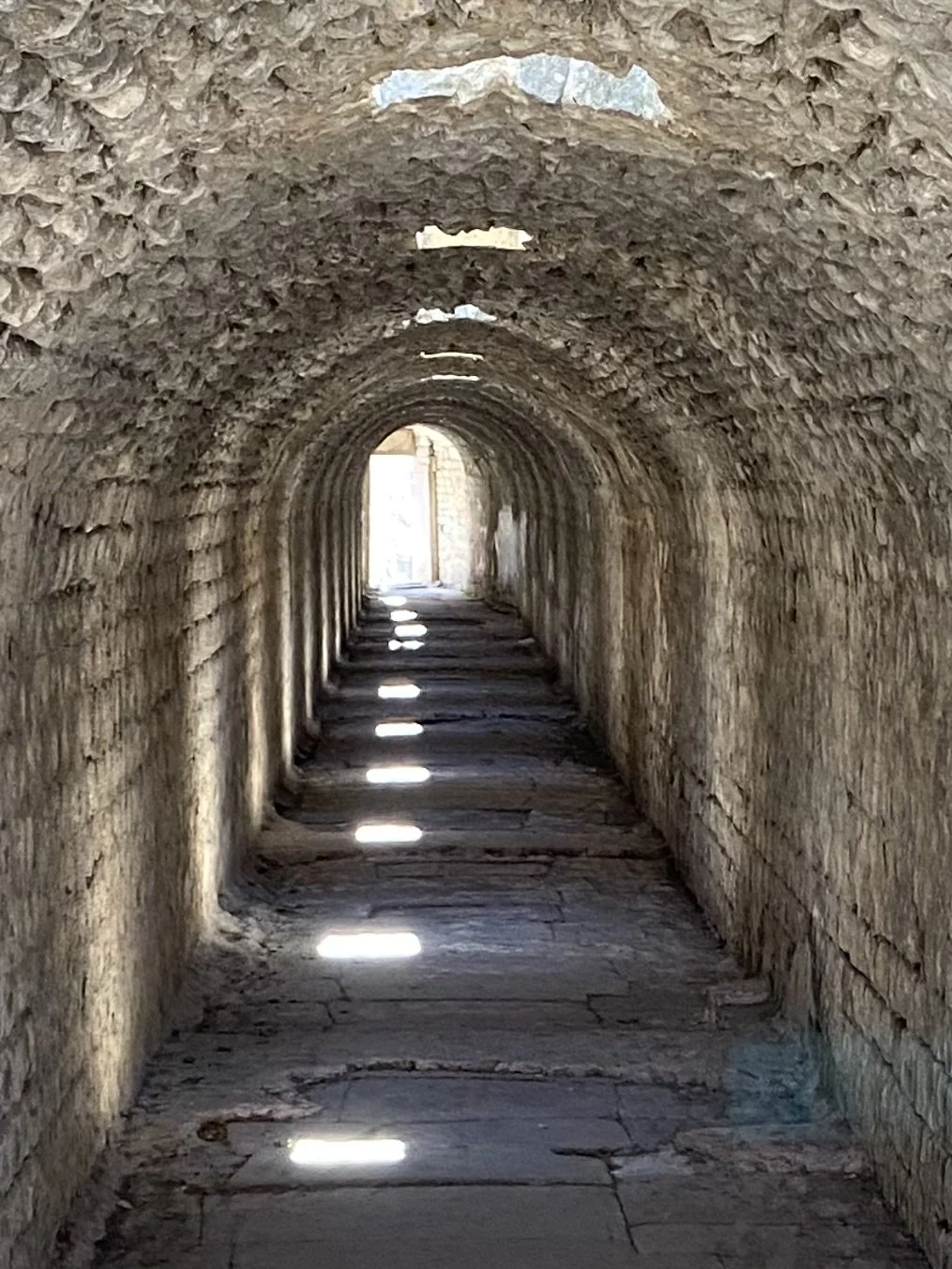
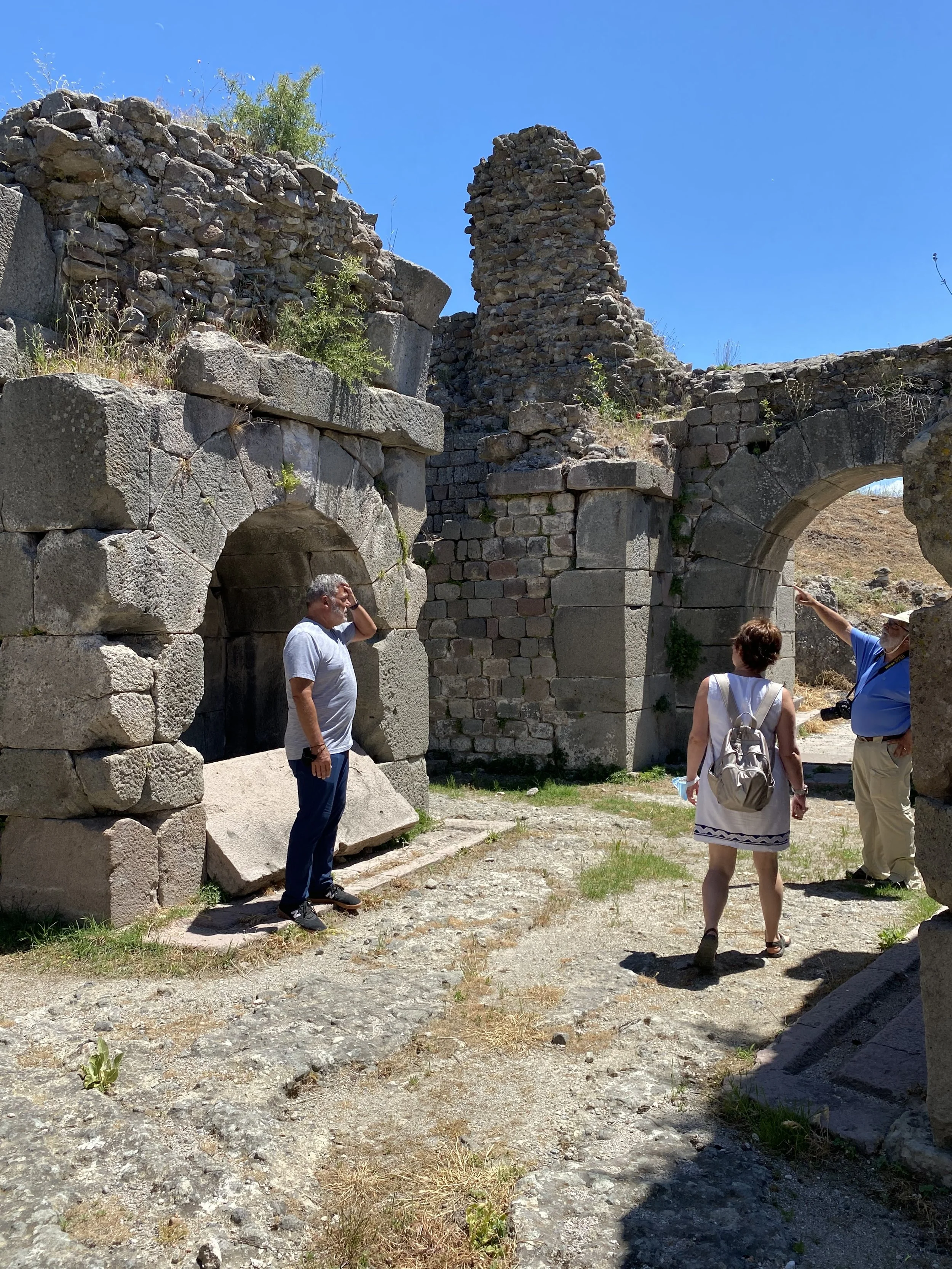
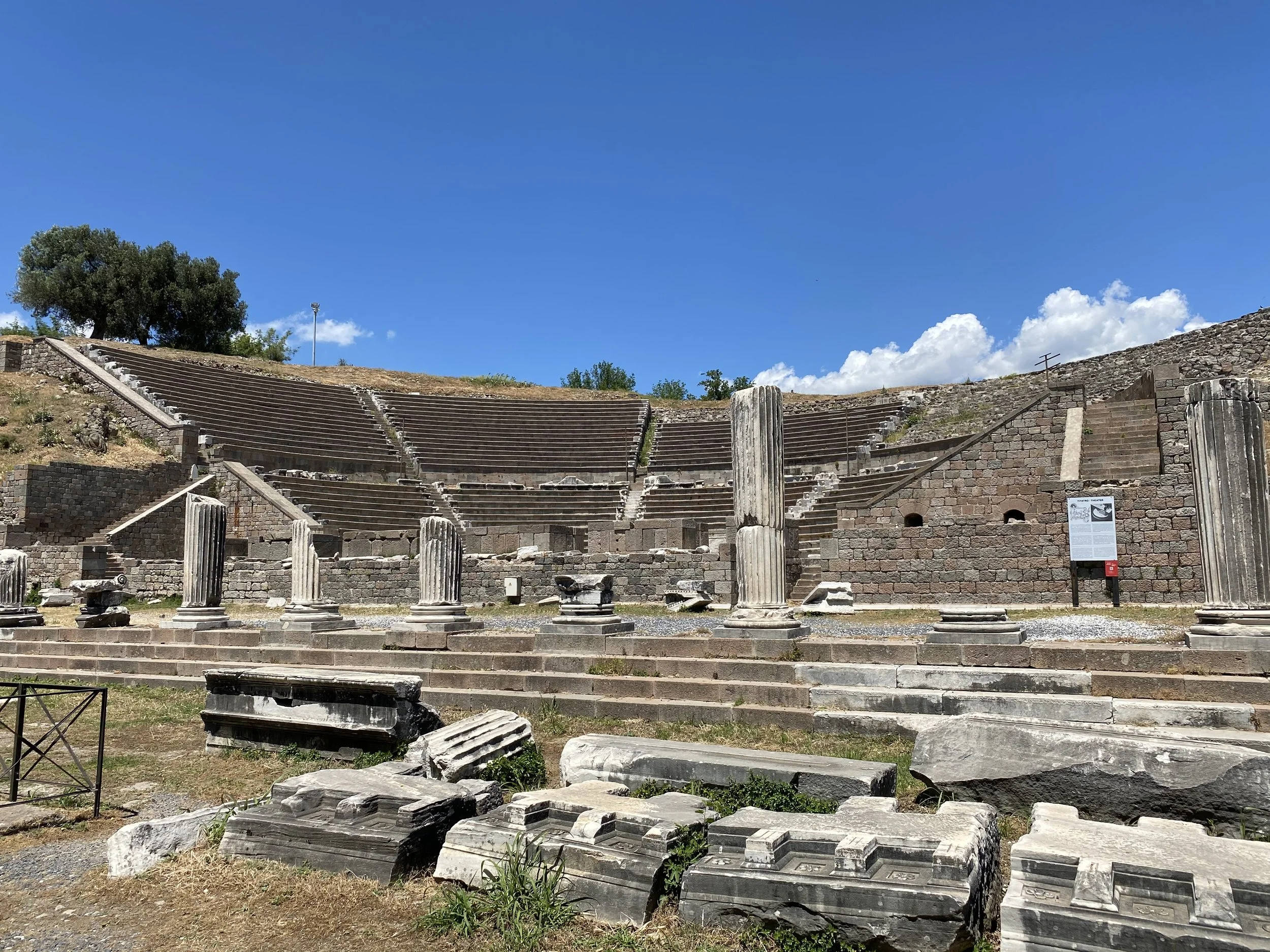
Pergamon Turkiye. Pergamon asclepion healing center. The cryptoporticus (underground walkway) between the sacred springs and the sleeping area. Light and curves used to create a soothing atmosphere.