Day 9 - October 5, 2026
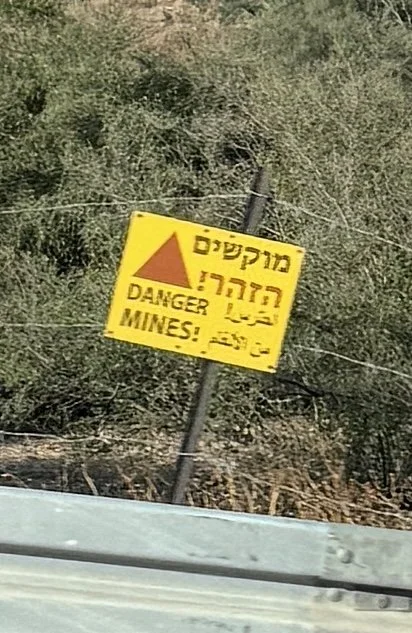
Today we drove up the east side of the Sea of Galilee and into the Golan Heights. We had a visual history lesson on the political realities that have always been a challenge in this area where Israel, Lebanon and Syria meet at Mount Hermon. True today, and an equally true throughout Biblical times. Many of the fields in this area are fenced off and have signs warning of land mines - need to stay on the roads and marked trails around here!
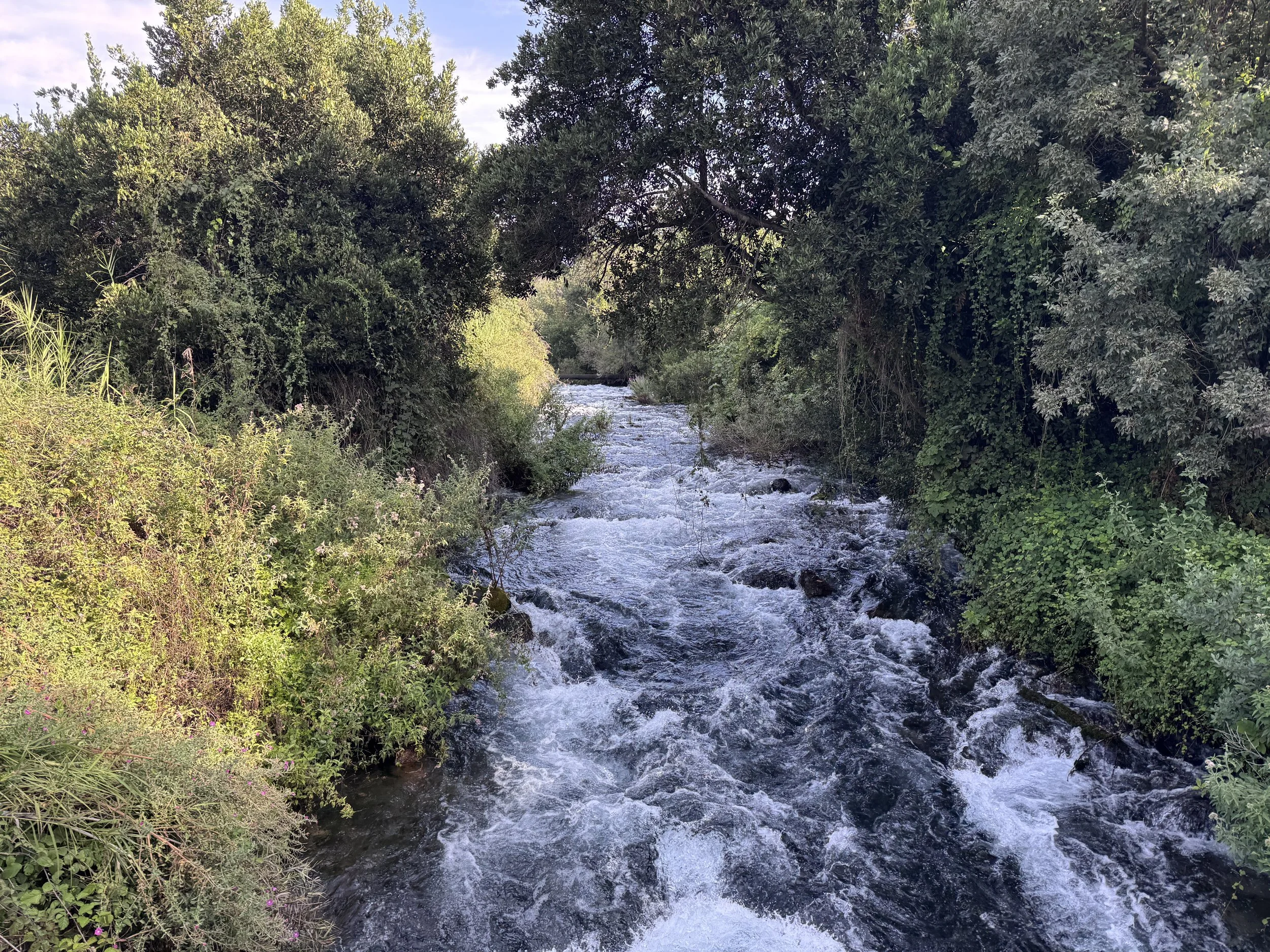
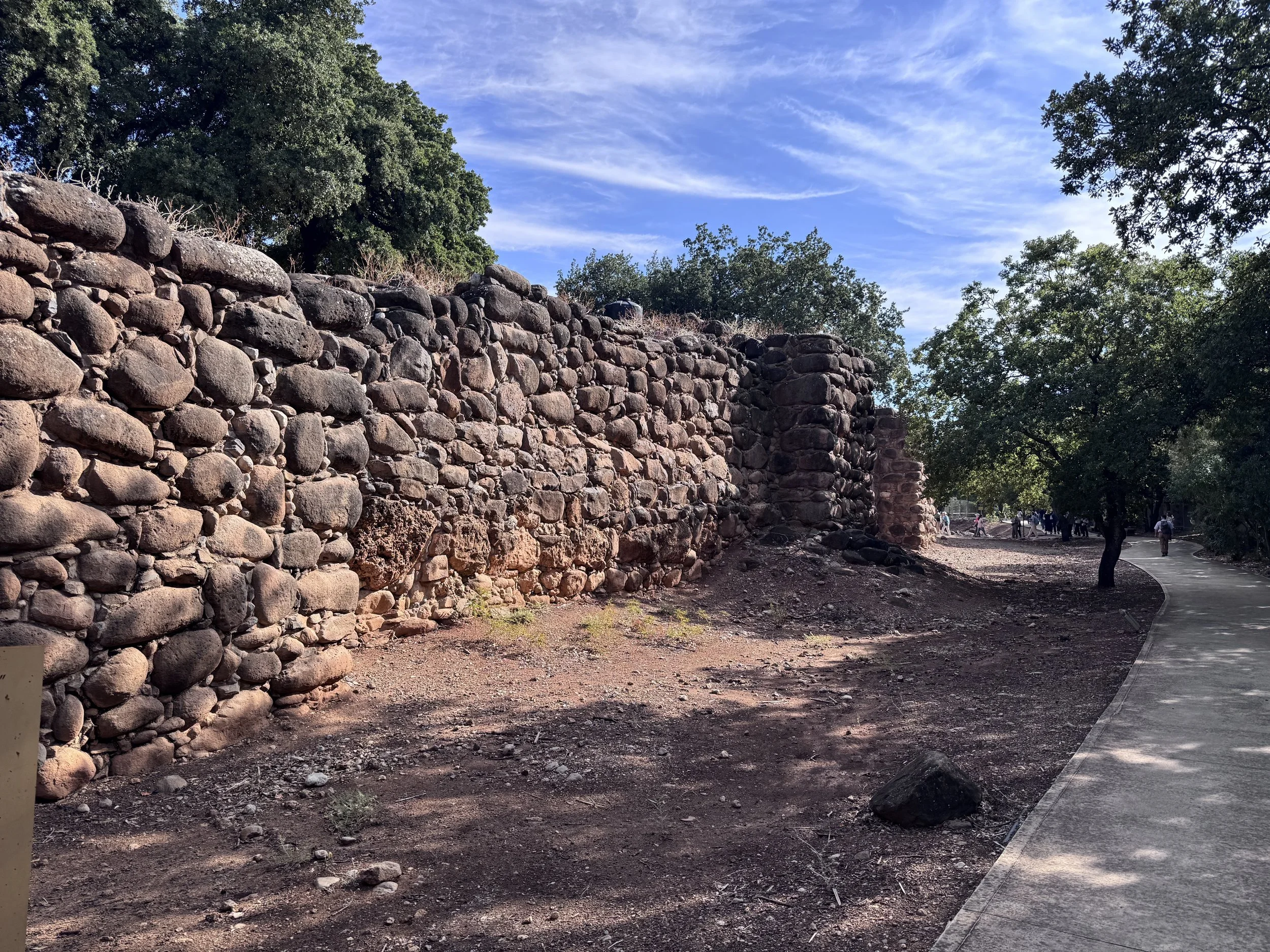
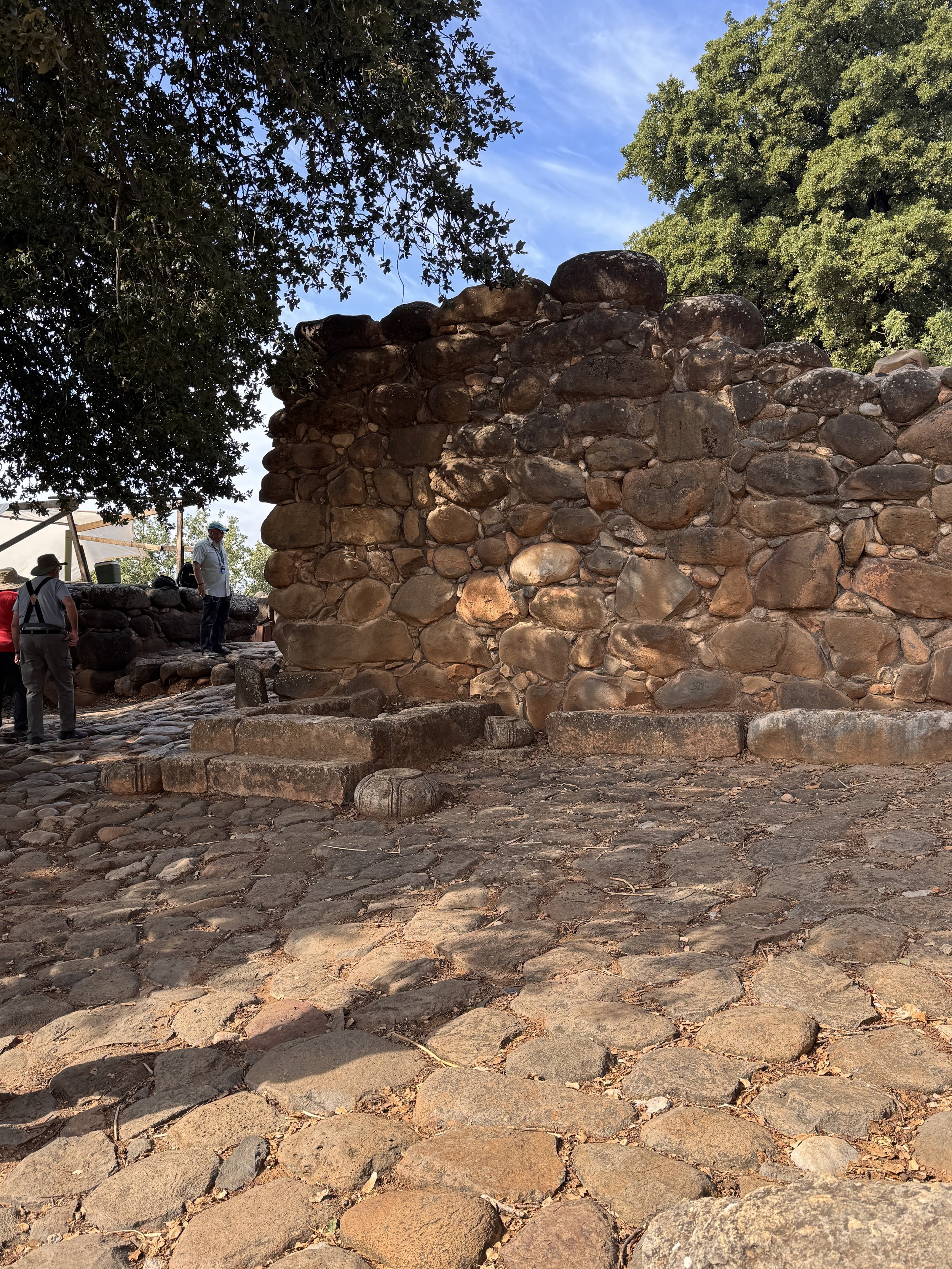
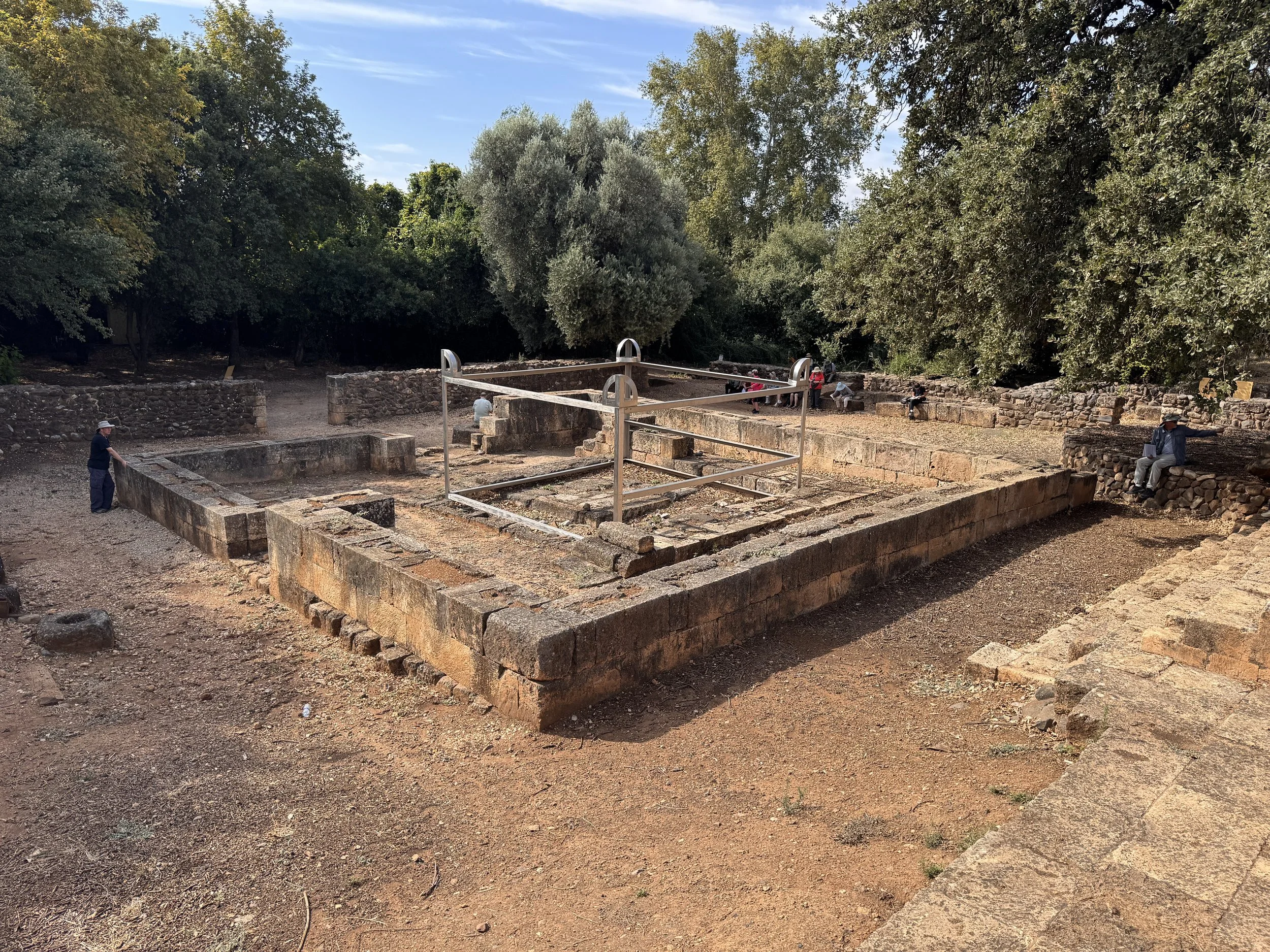
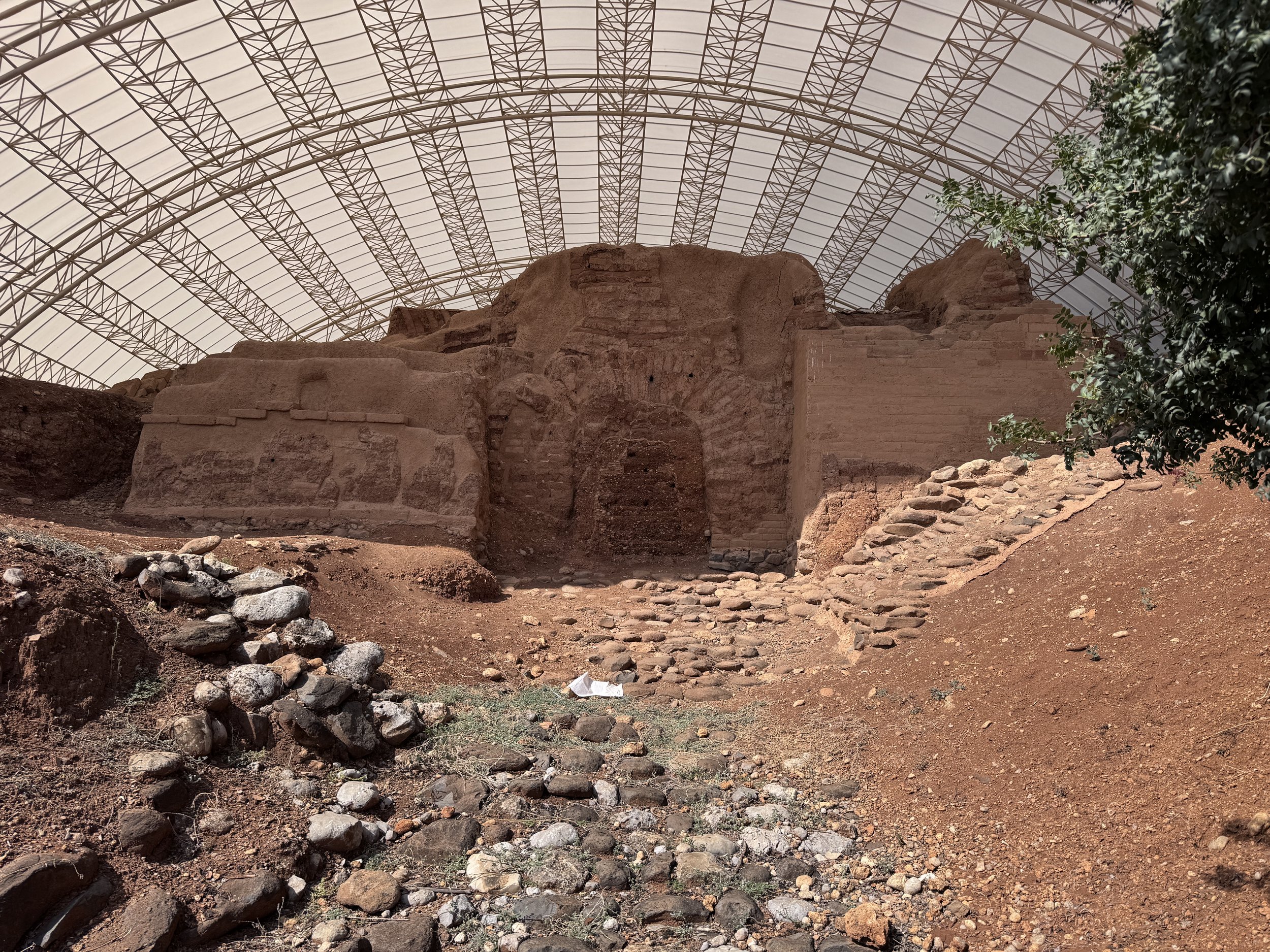
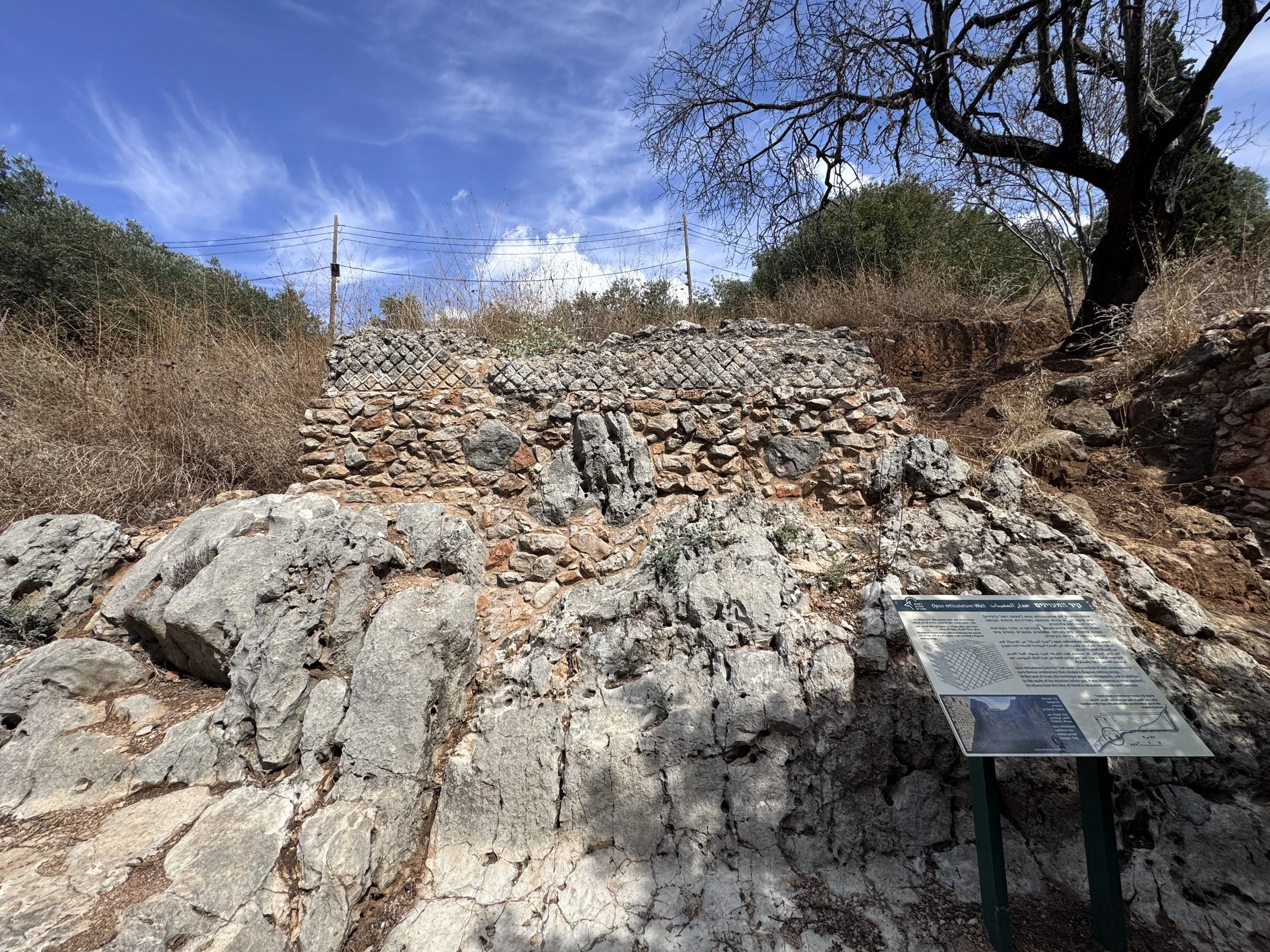
Our first stop was Tell Dan and the area of springs that are the start of the Jordan River. The Old Testament city of Dan was called Laish prior to being forcefully taken by the tribe of Dan who had been unable to subdue the Philistines in their originally appointed portion of the promised land. At that point in history, Laish had already been in existence since well before the time of Abraham. 2 Kings and 2 Chronicles record how the Northern King of the 10 tribes, Jeroboam, instituted worship of a golden calf at both Dan and Bethel to keep his people from going to Jerusalem for temple worship. There is a mud brick gate complex here that dates to at least 2100 BC and likely even older. Some of the oldest true architectural arches in the world. The “modern” gate complex dates to 9th - 8th c BC.
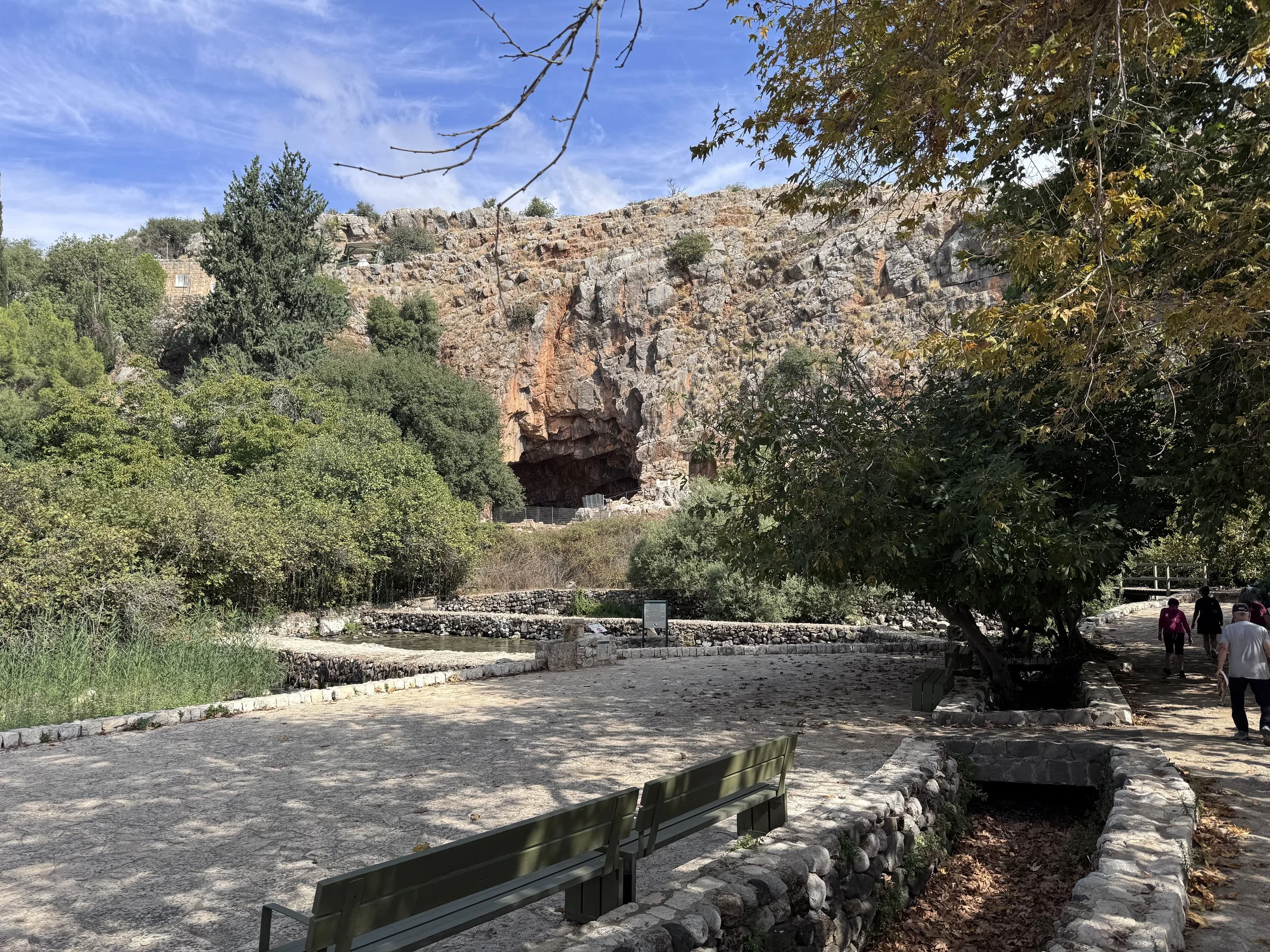
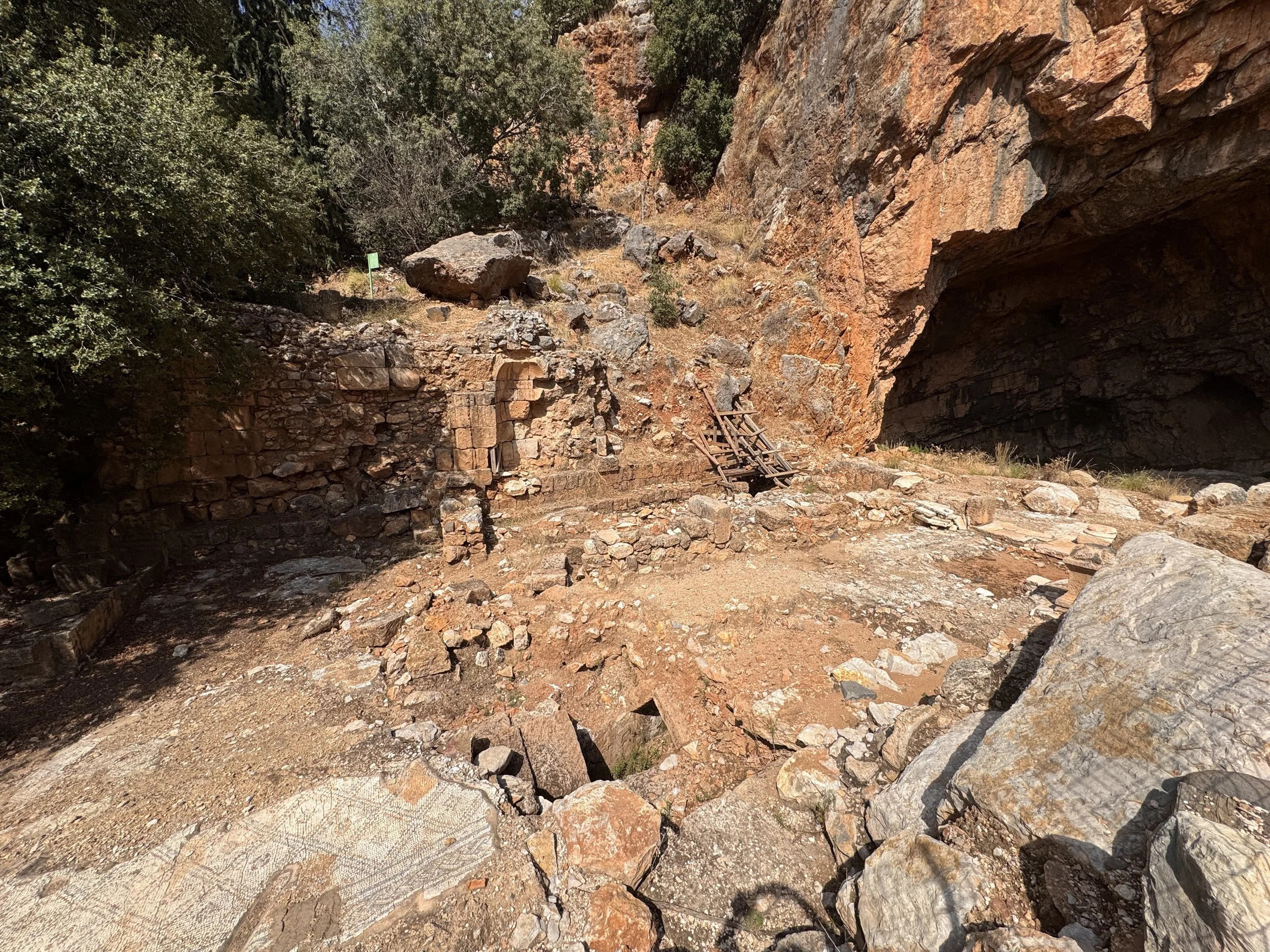
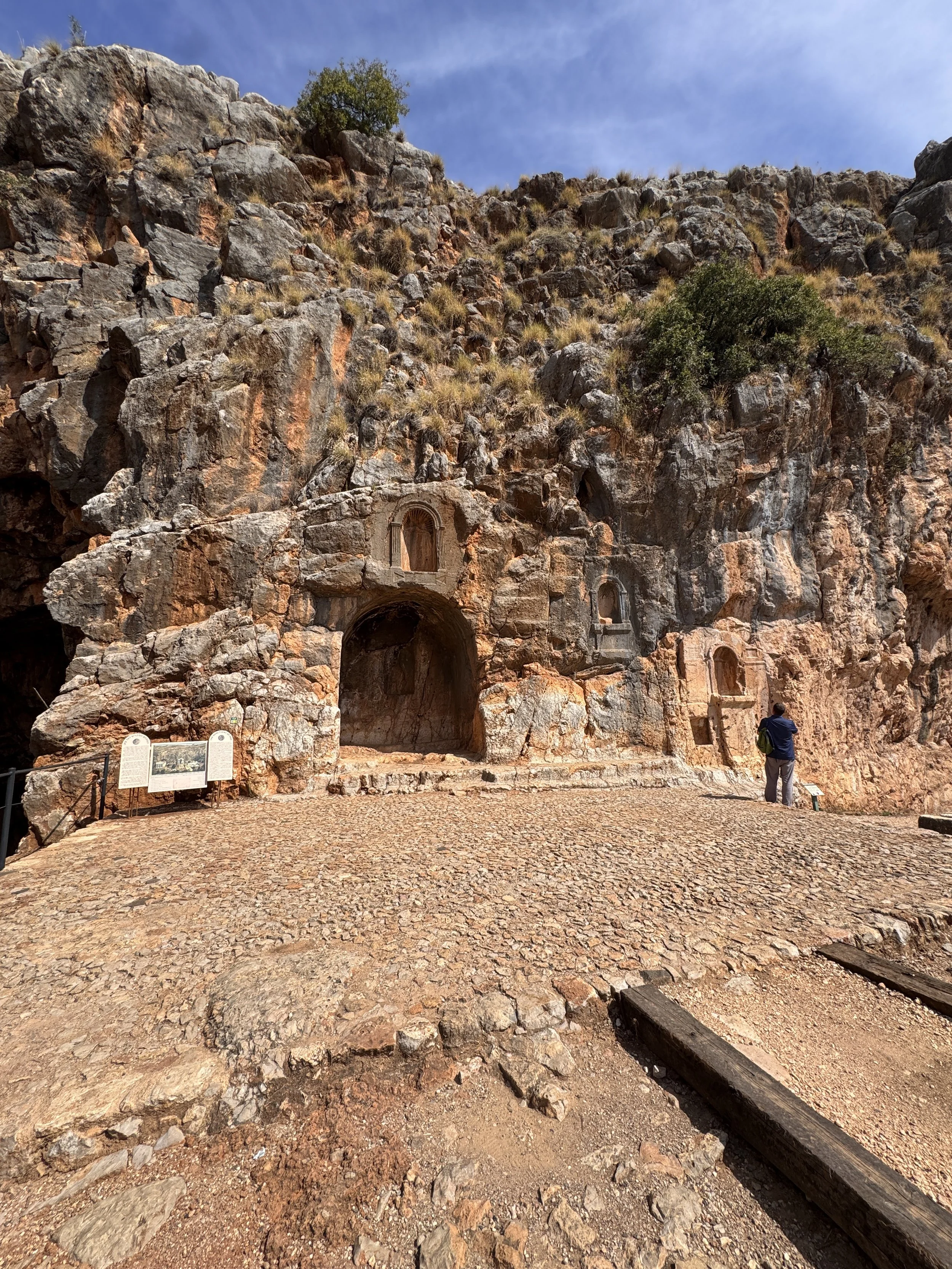
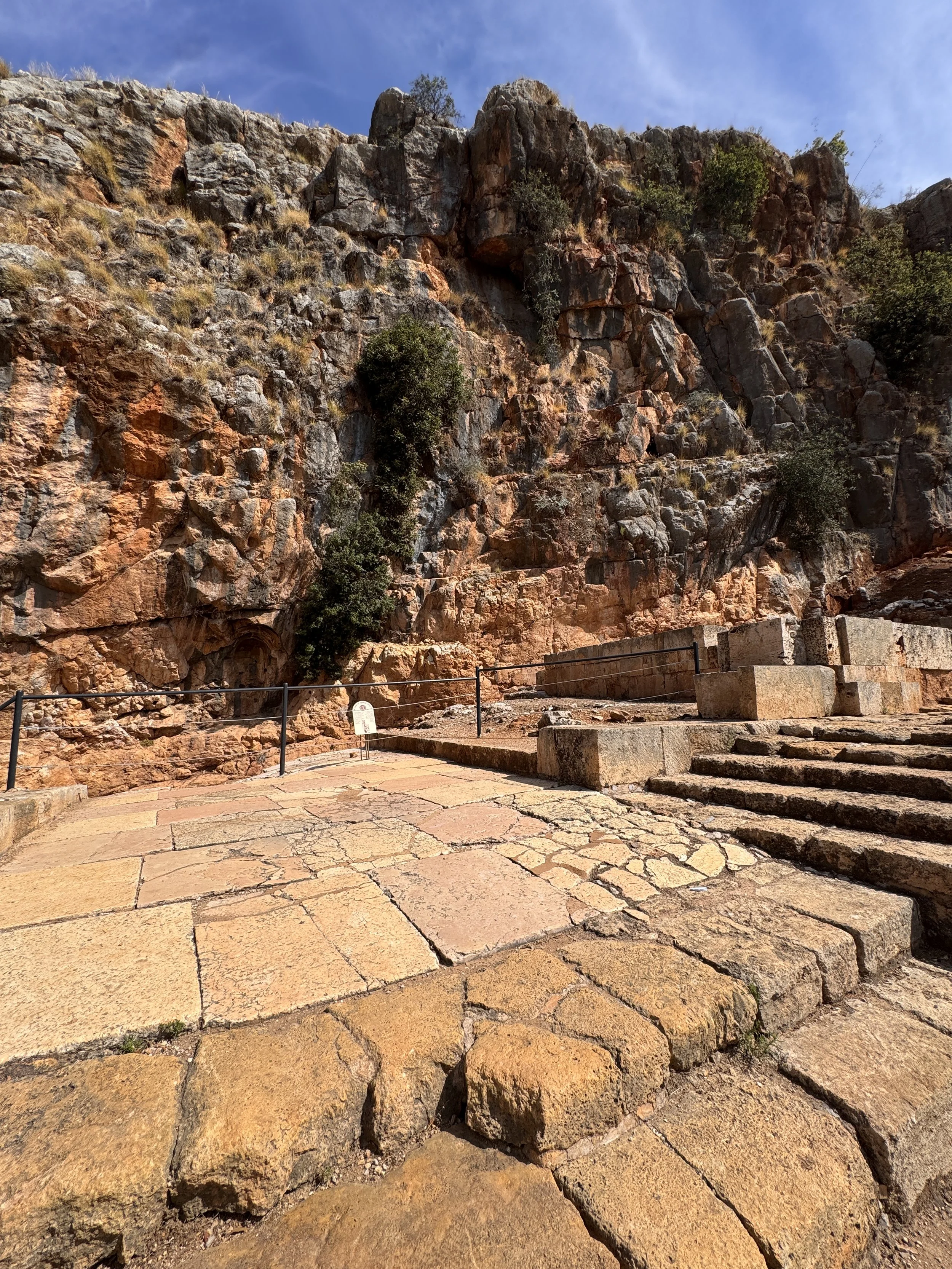
Nearby is Caesarea Philippi, where another large spring feeds into the Jordan River. In antiquity this spring came from the mouth of a cave and was considered to be mouth of Hades. Temples to the pagan god pan were built here and a temple to Augusta. There was a Herodian palace high up on the rocky hill used by Herod’s son Philip Tetrach. Here is where Jesus asked Peter “who do people say that I am” and proclaimed that the people of God would have victory even against the gates of Hades.
We had lunch at a restaurant in a Druze village that overlooks a volcanic crater lake on the border of Syria in the Golan Heights. A beautiful area at the base of Mount Hermon, full of trees. Saul’s (Paul’s) travel on the road to Damascus would have him going through a mountain pass near here after his encounter with Jesus.
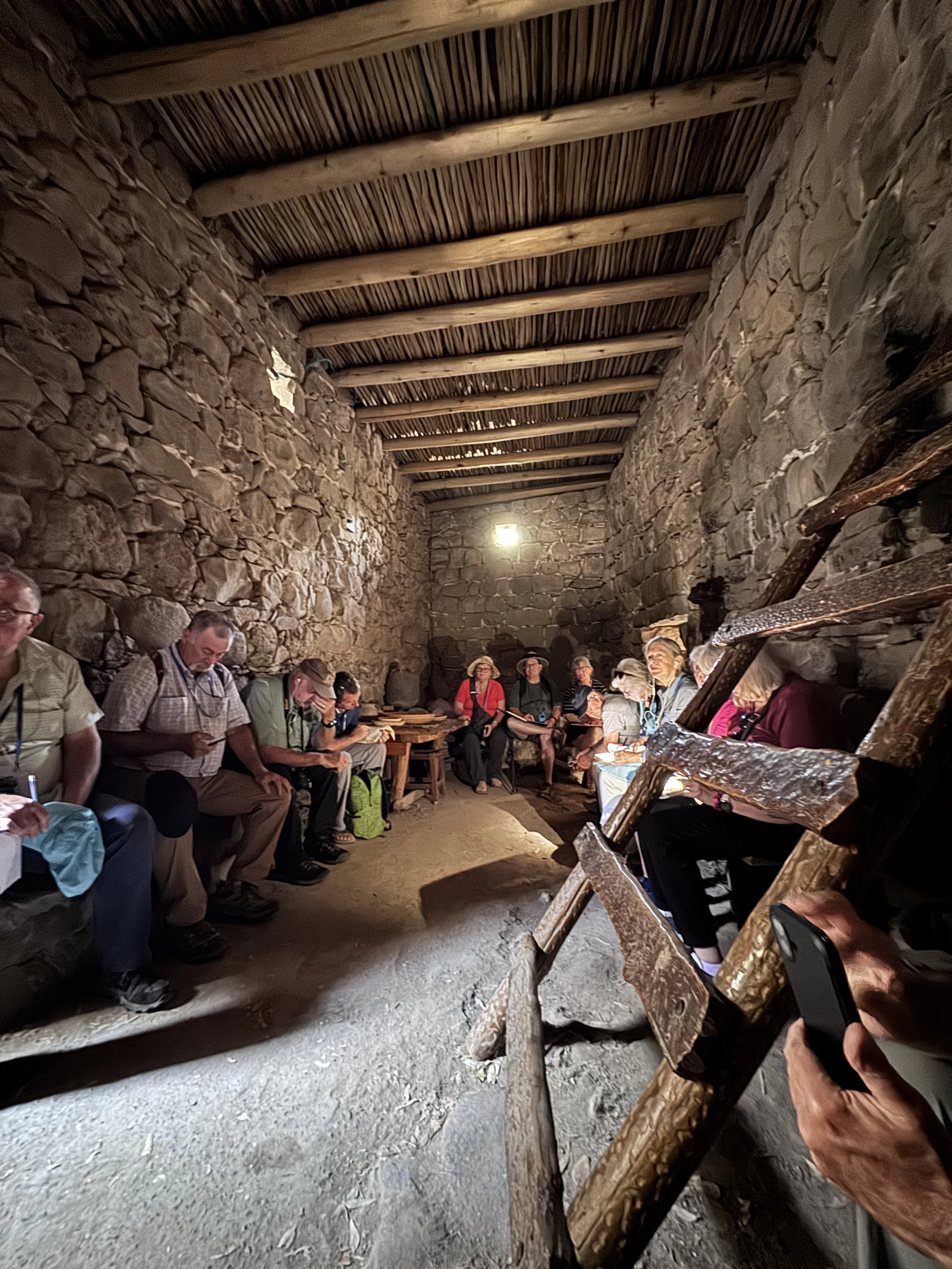
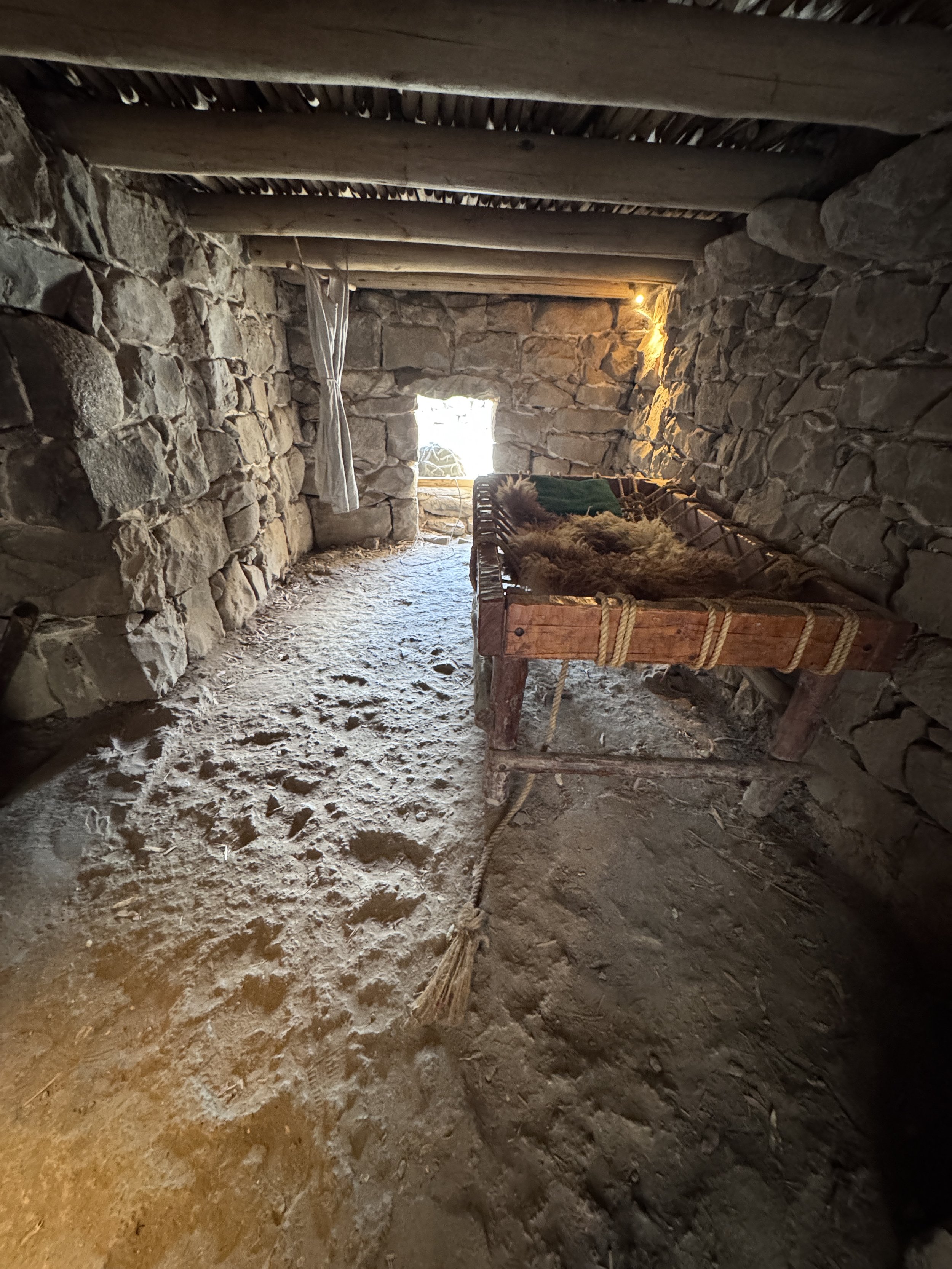
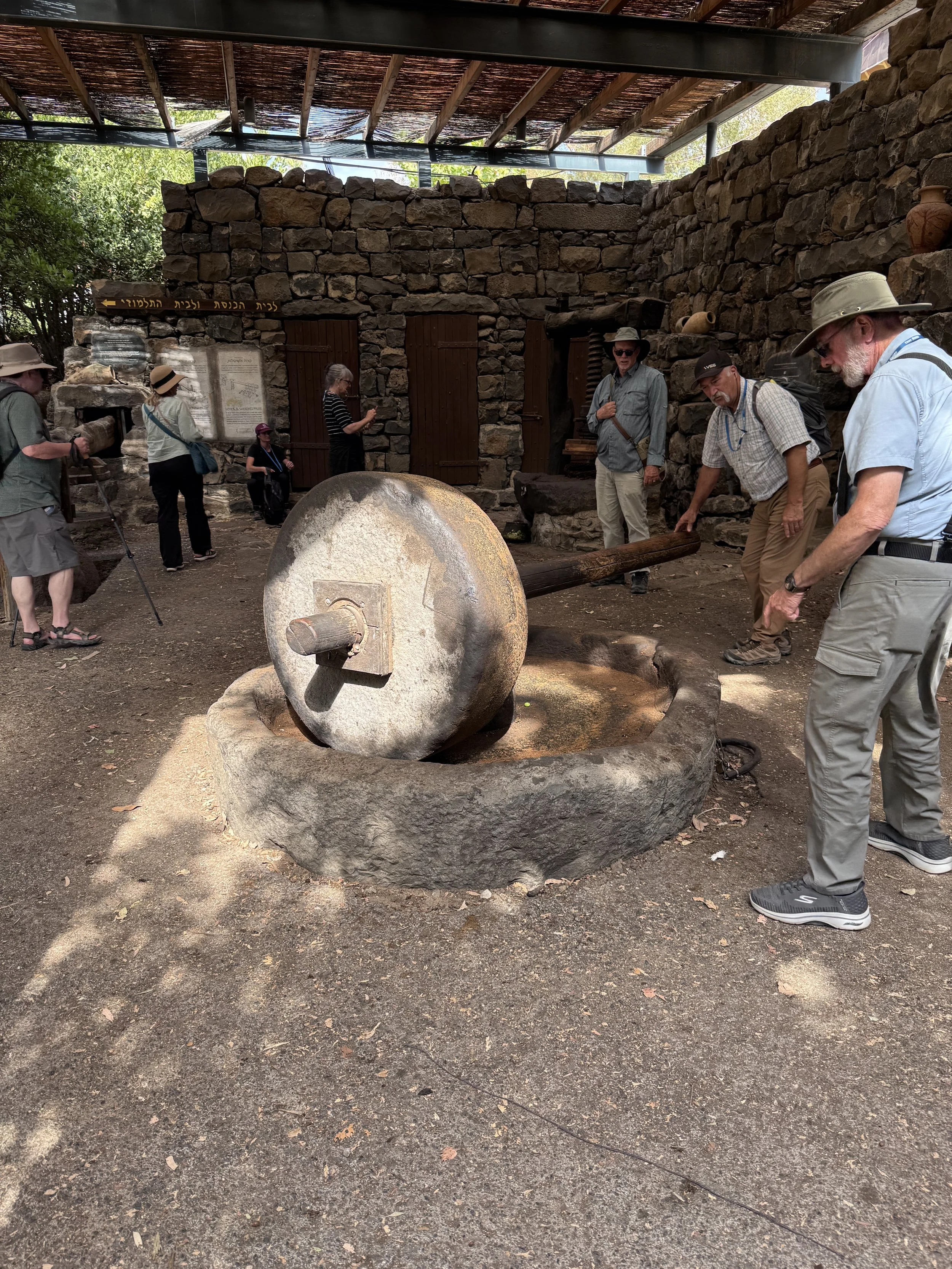
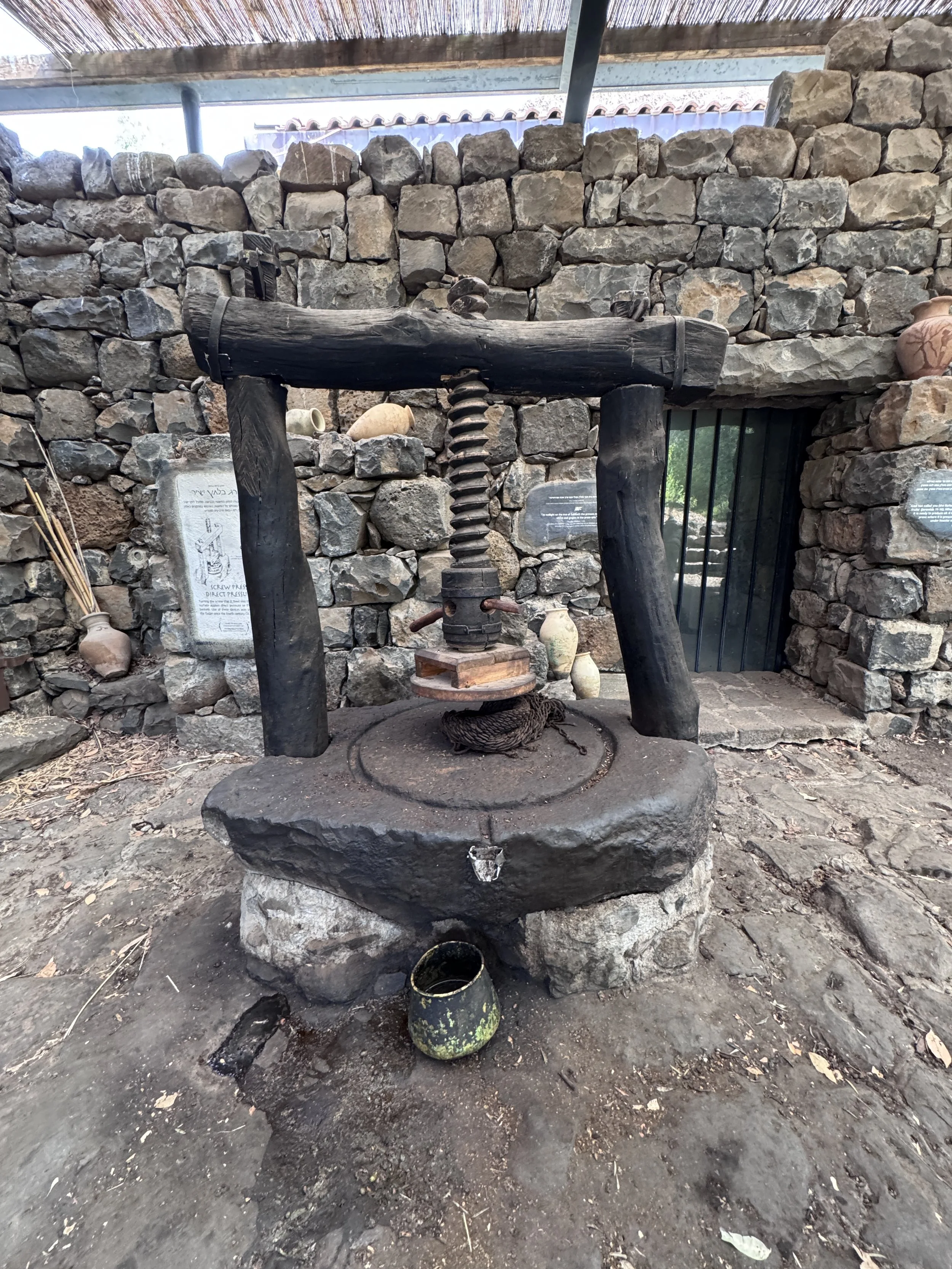
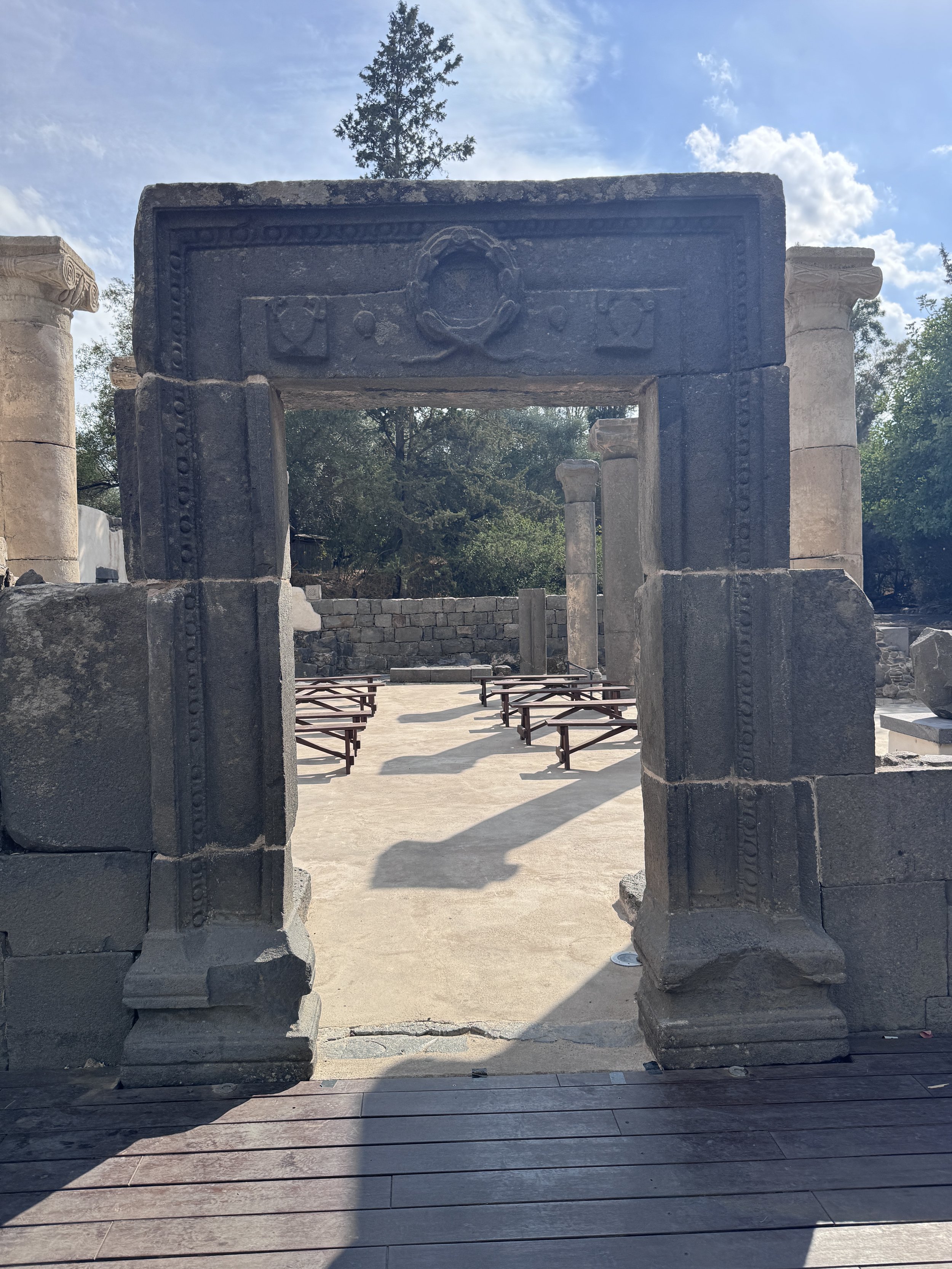
Our last stop was a reconstructed Jewish village dating to the 400 - 500’s AD. A typical home made of the basalt of this region illustrated the setting of Mark 2 when the paralyzed man was lowered through the roof of a home while Jesus was teaching many who had gathered together. This site has examples of olive presses from a range of historical eras and examples of other agricultural practices. There is also a reconstructed Galilean synagogue.
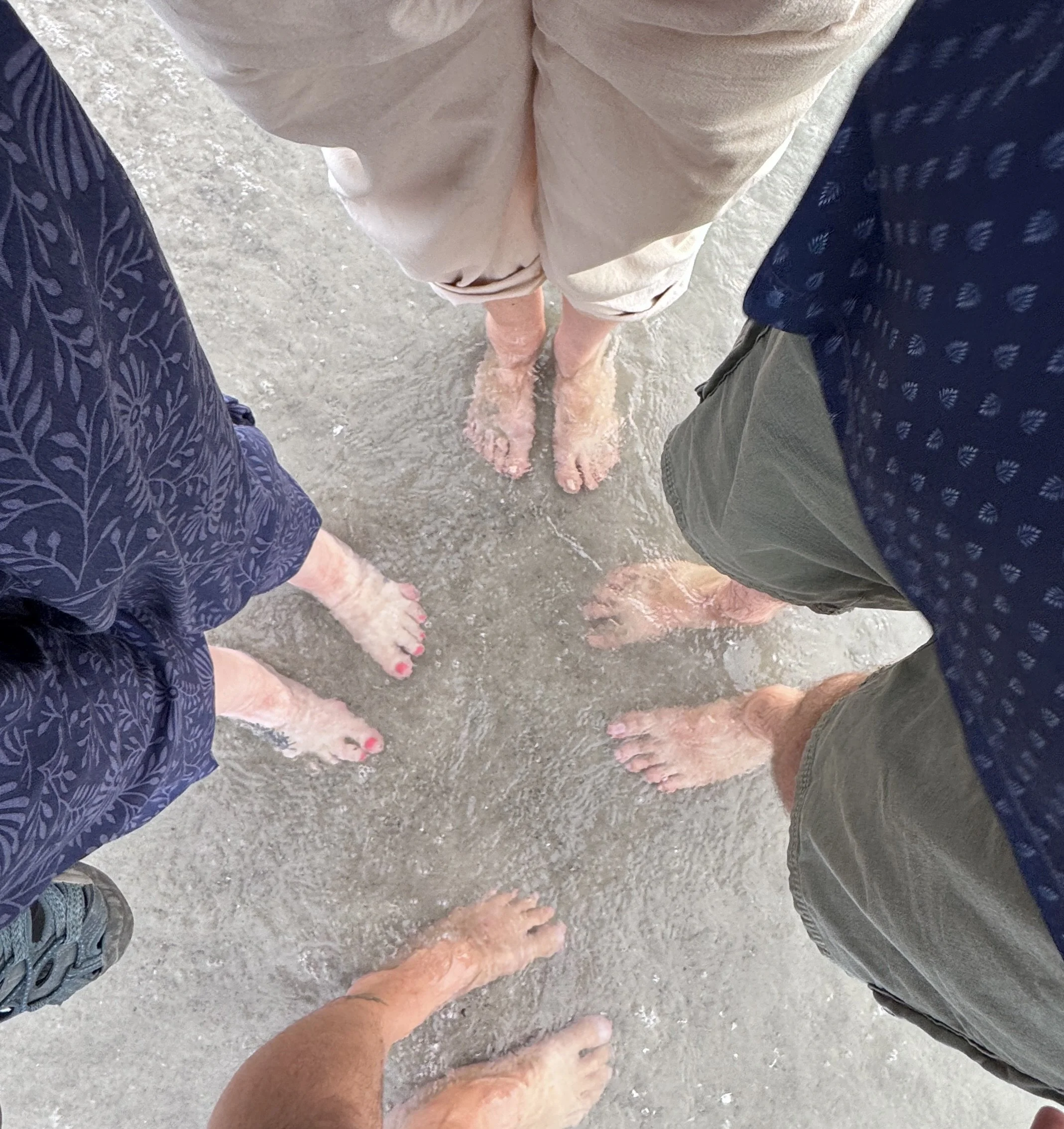
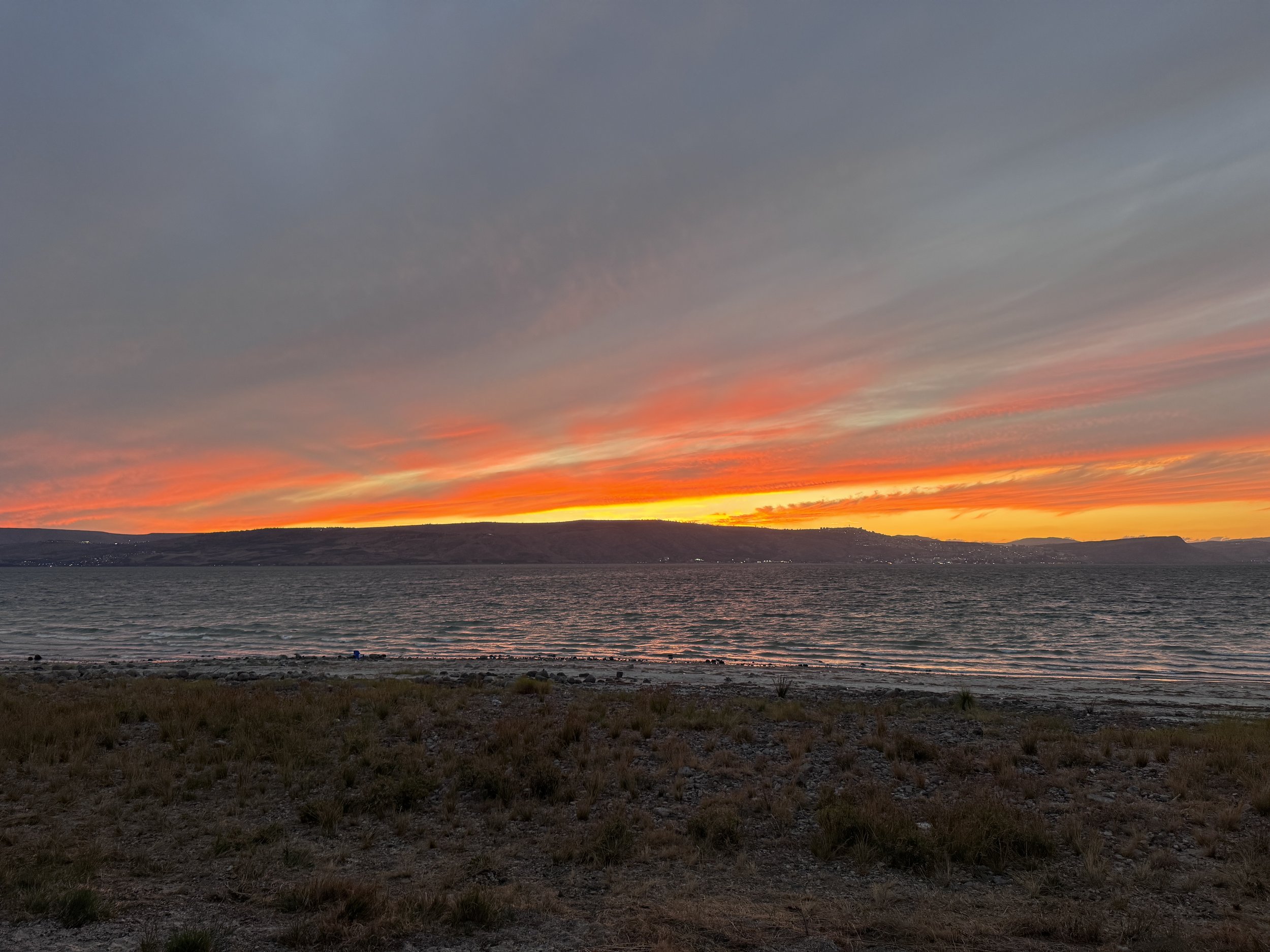
We all enjoyed some time sitting beside the sea in the late afternoon. The water of the Sea is warm this time of year and the sunsets are gorgeous!
Tomorrow we will visit Jesus’ home base during the time of his ministry, Capernaum, and have a boat ride on the Sea of Galilee. Good night and God Bless, PB and Margery.
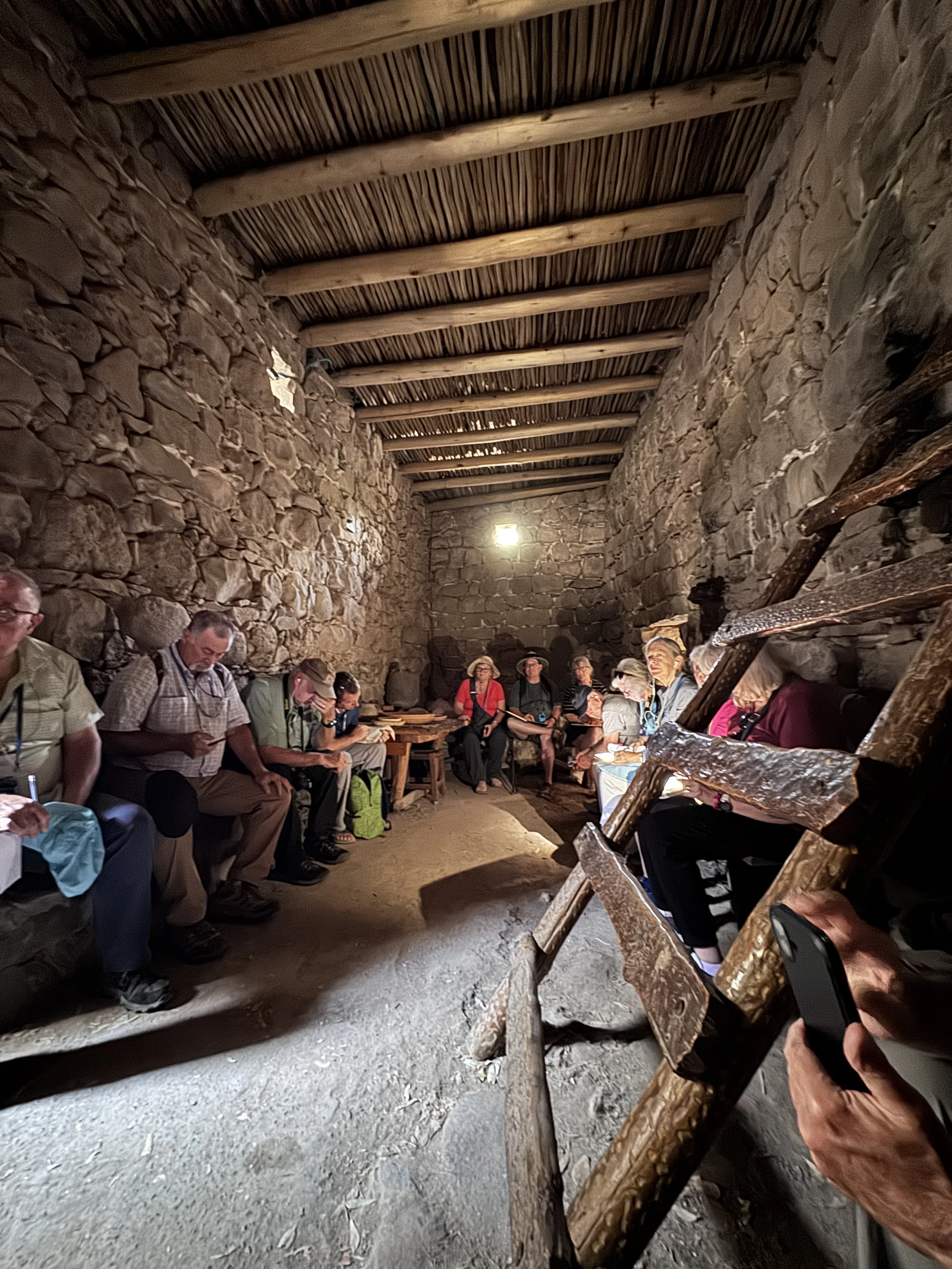
Interior of a reconstructed 3rd c Jewish home at Katzrin