Basilica of Santa Pudenziana, Rome Italy
“Eubules sends greetings to you, as do Pudens and Linus and Claudia and all the brothers”. 2 Timothy 4:21
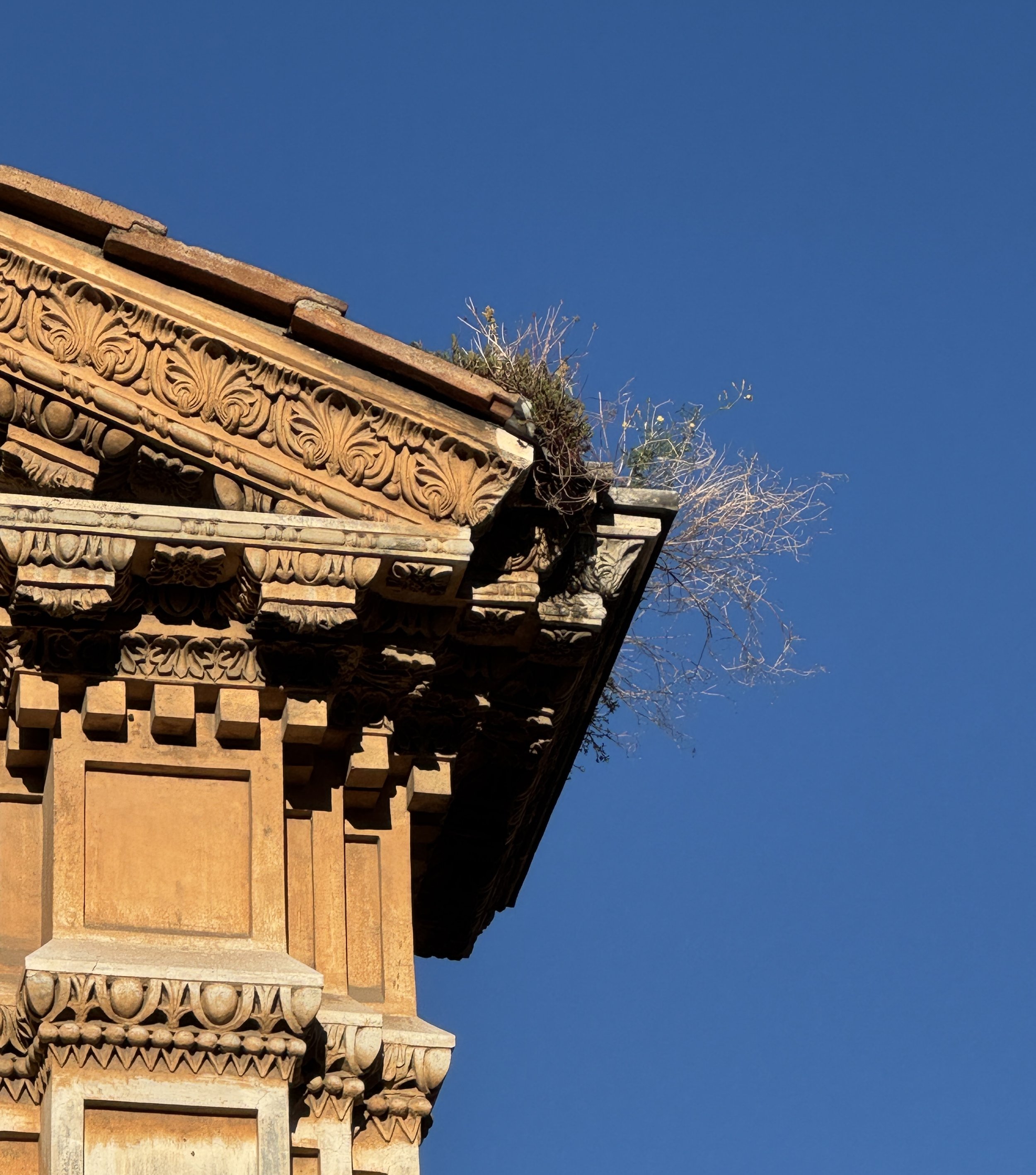
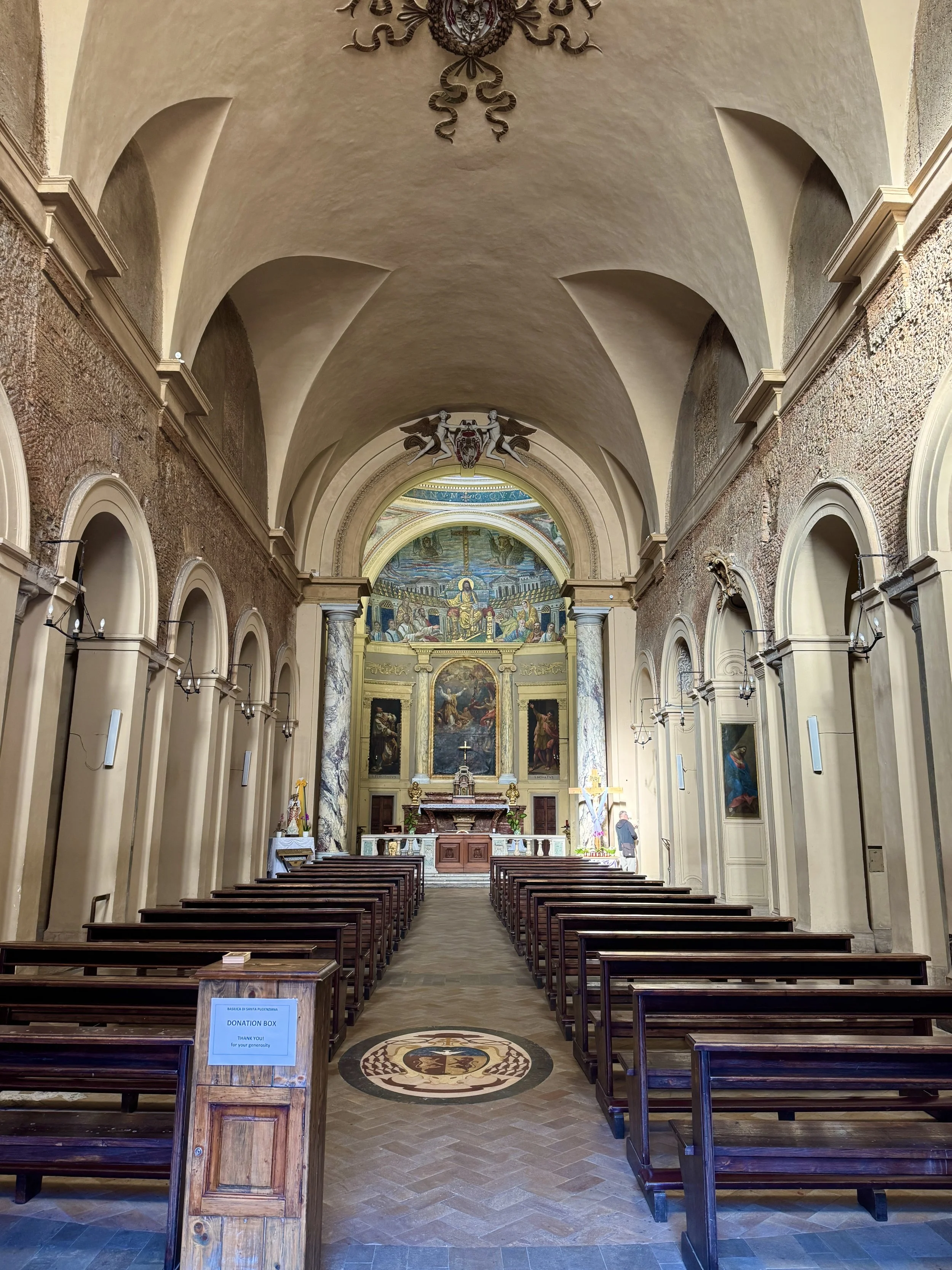
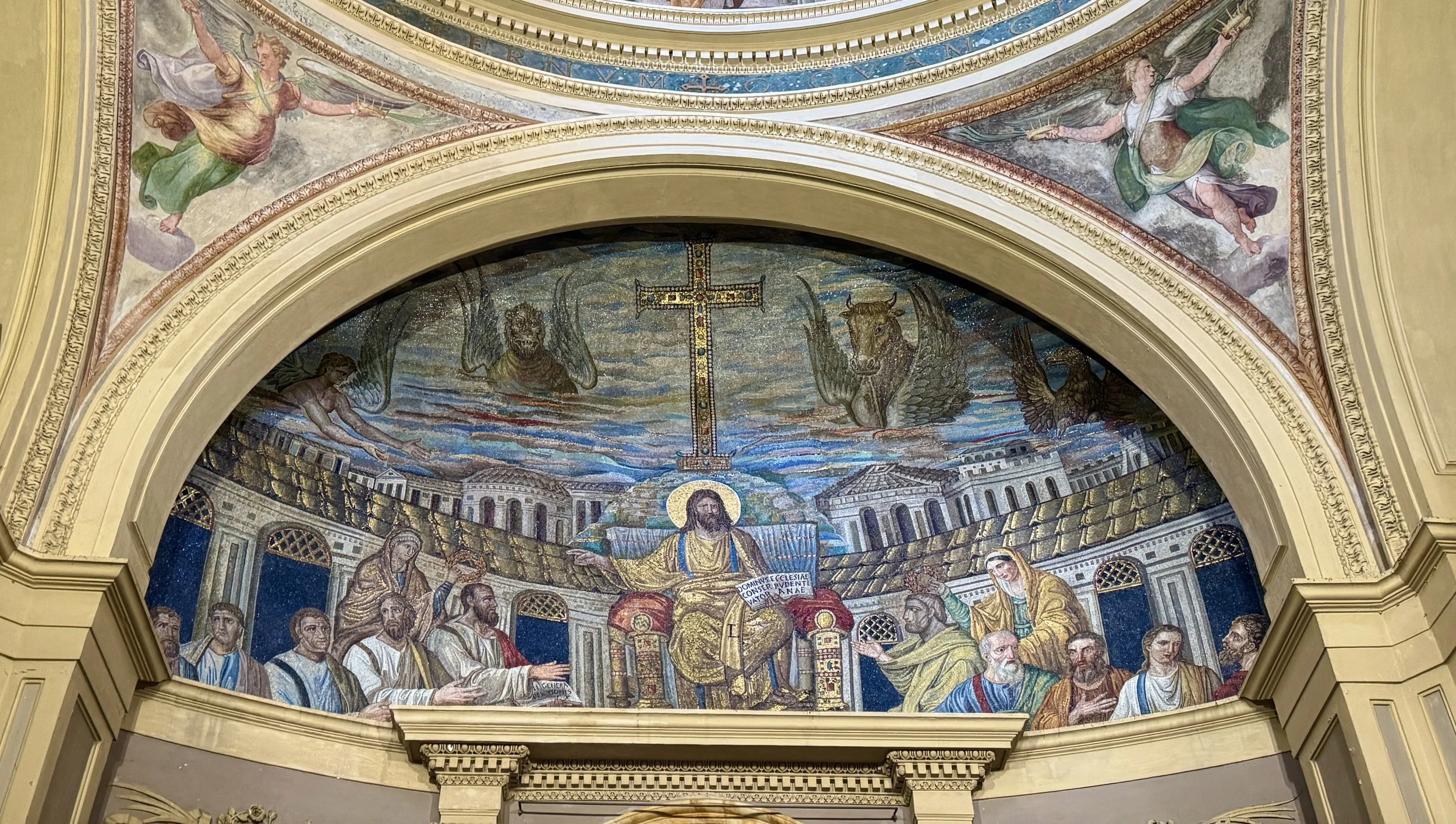
This beautiful basilica in Rome on the Viminal hill, dedicated to a daughter of Pudens, is intriguing for a few reasons: 1. The mosaic in the apse dates to the VERY early date of 390 AD, the oldest mosaic apse in Rome 2. The basilica is thought to sit over the oldest site of Christian worship in Rome 3. The original building on the site was the 1st century Roman home of St Pudens - a Roman senator and a Christian martyred by Nero according to tradition. It is said that he hosted St Peter in his home. 4. This site has never been a ruin - it has been repurposed and renovated but never fallen into ruin.
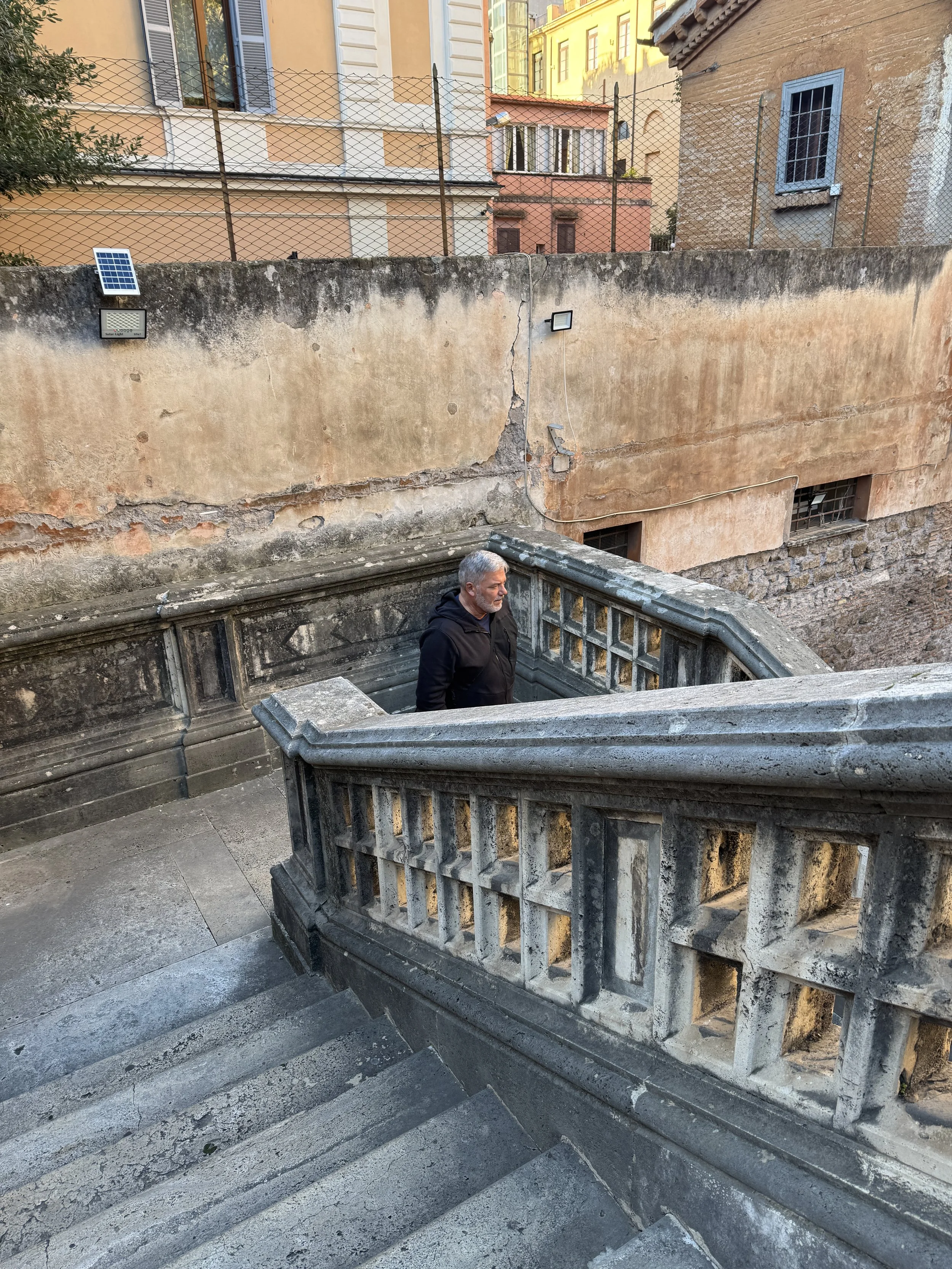
The layers of the basilica start with the 1st century home (Domus Pudentiana) that was also used as an early place of Christian worship, then turned into a bath complex in the 2nd century. The entrance room of the bath house was converted to chapel in 250 AD, and then in the 4th century a full church. The basilica was the residence of the pope from around 220 to 313 AD. The current building, in which you can still see structural evidence of the baths, was completed in 1588. The Basilica sits well below street level now, and there are layers excavated under the basilica that are not open to the public and are usually inundated with water.
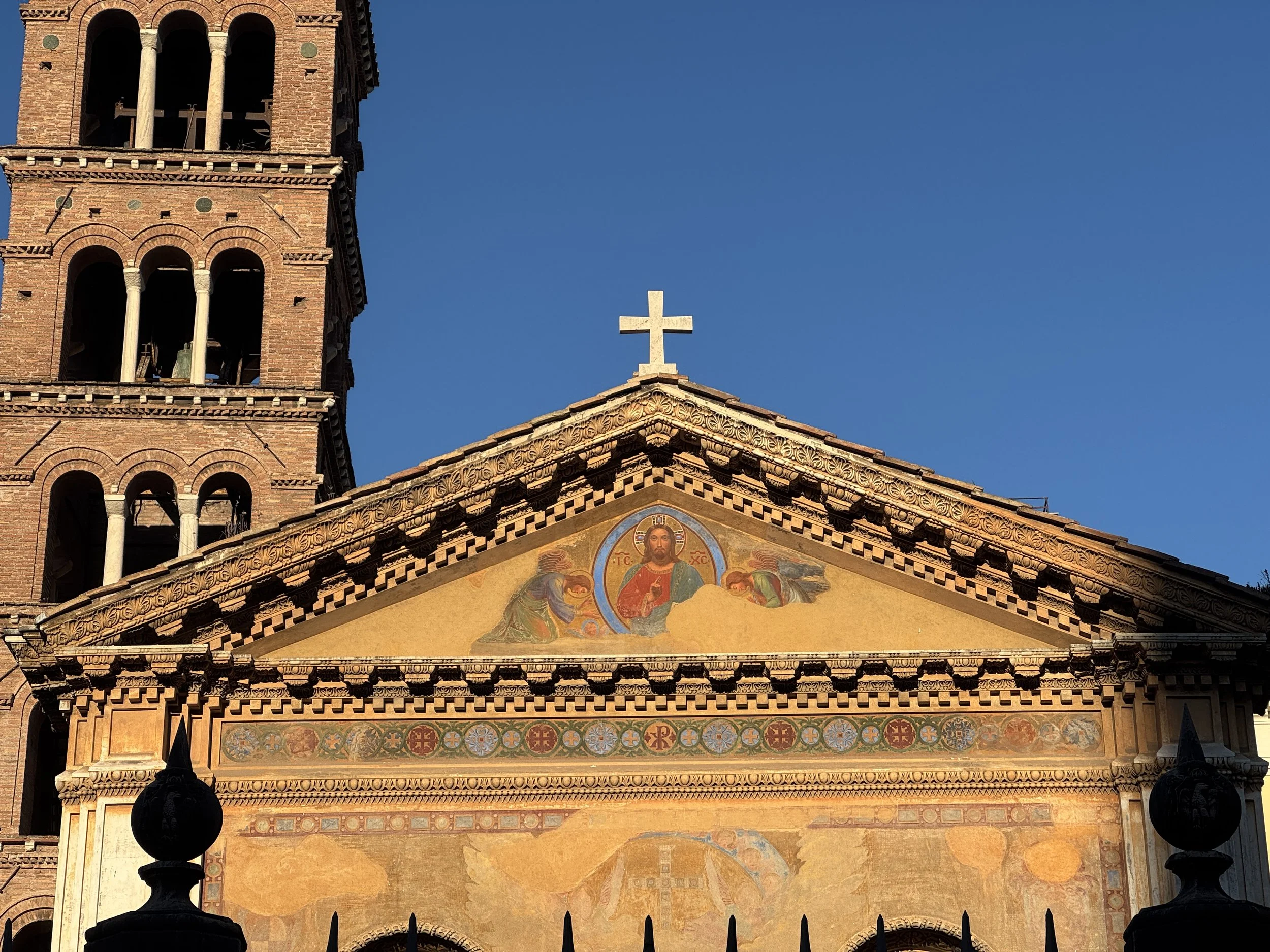
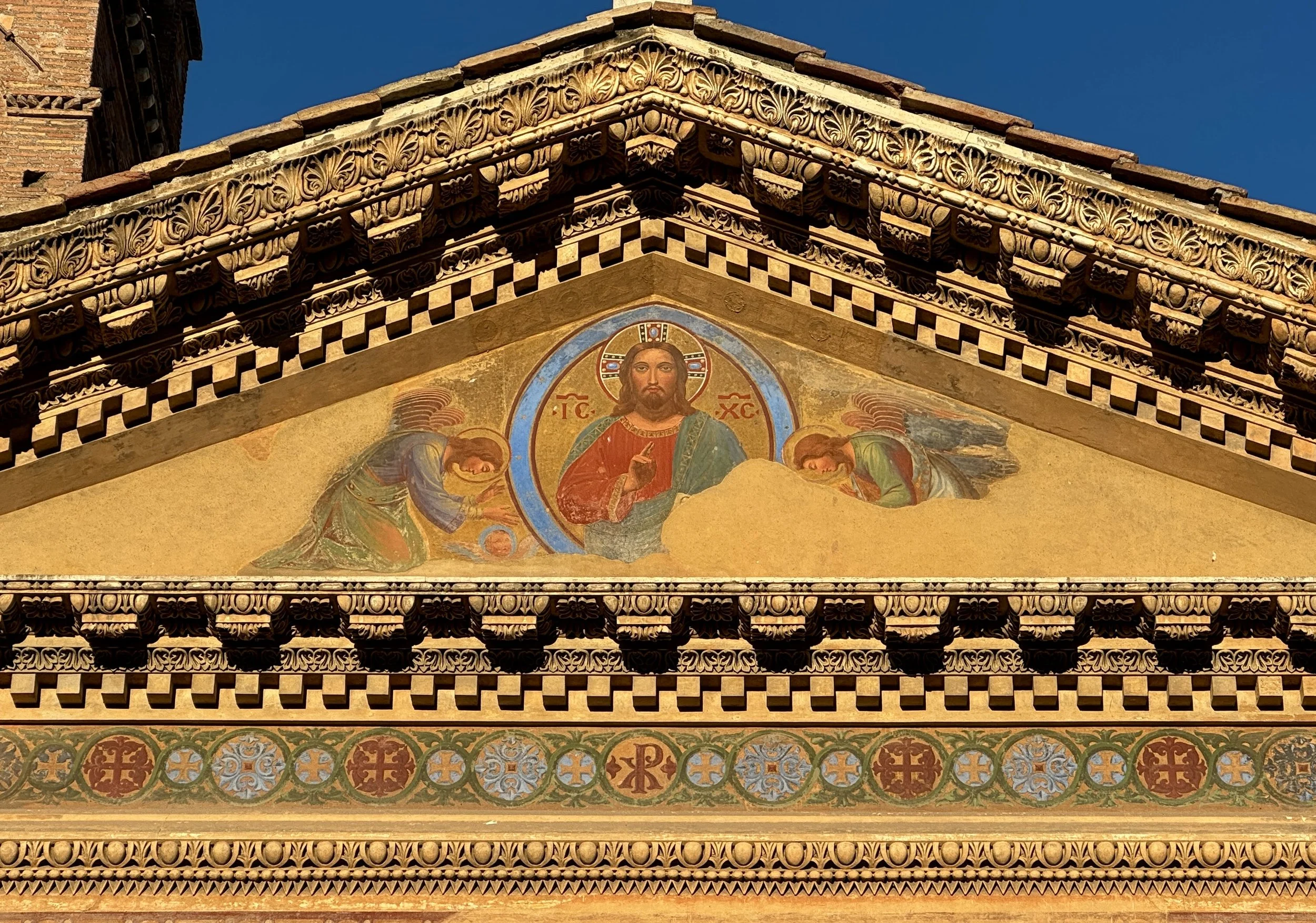
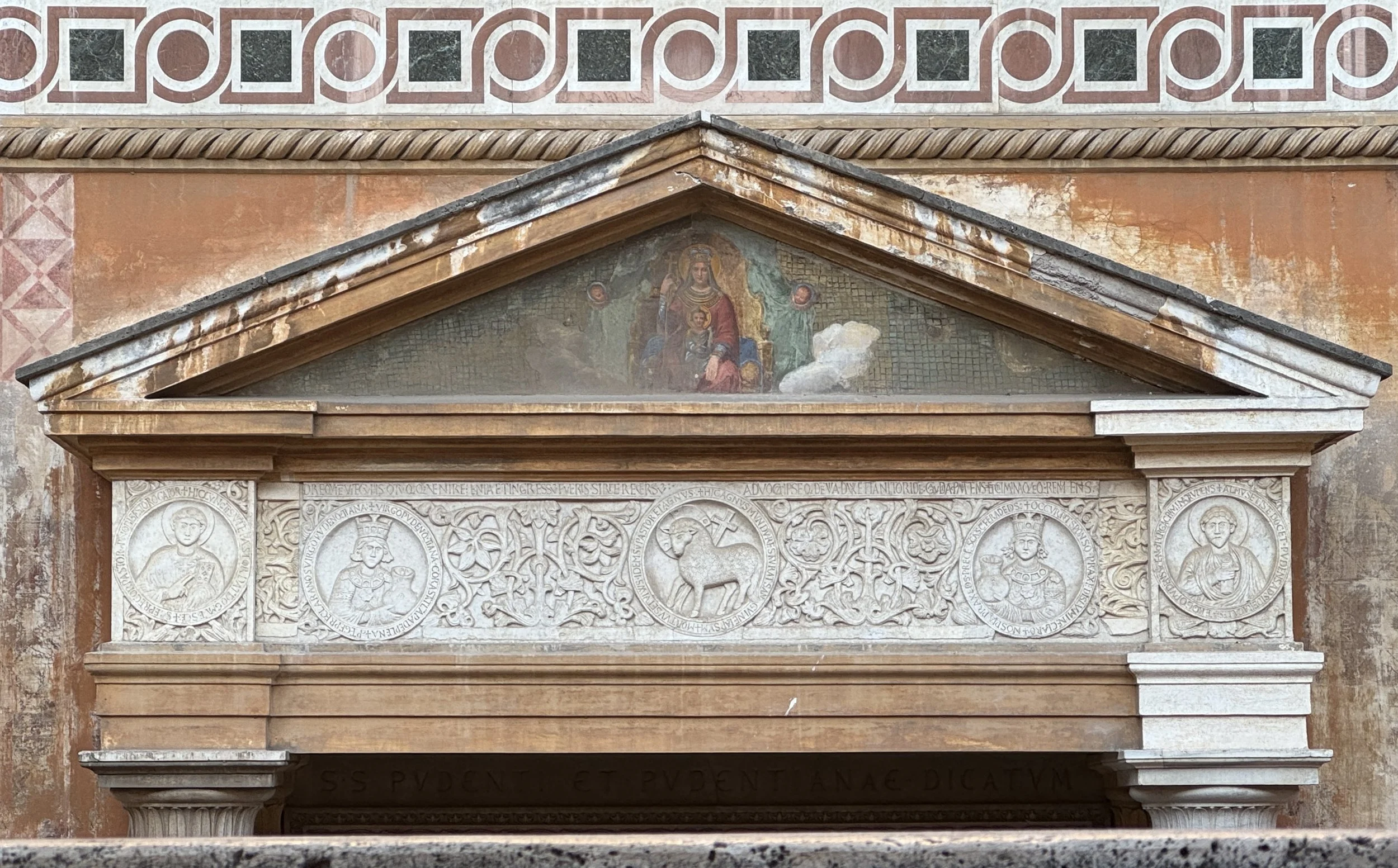
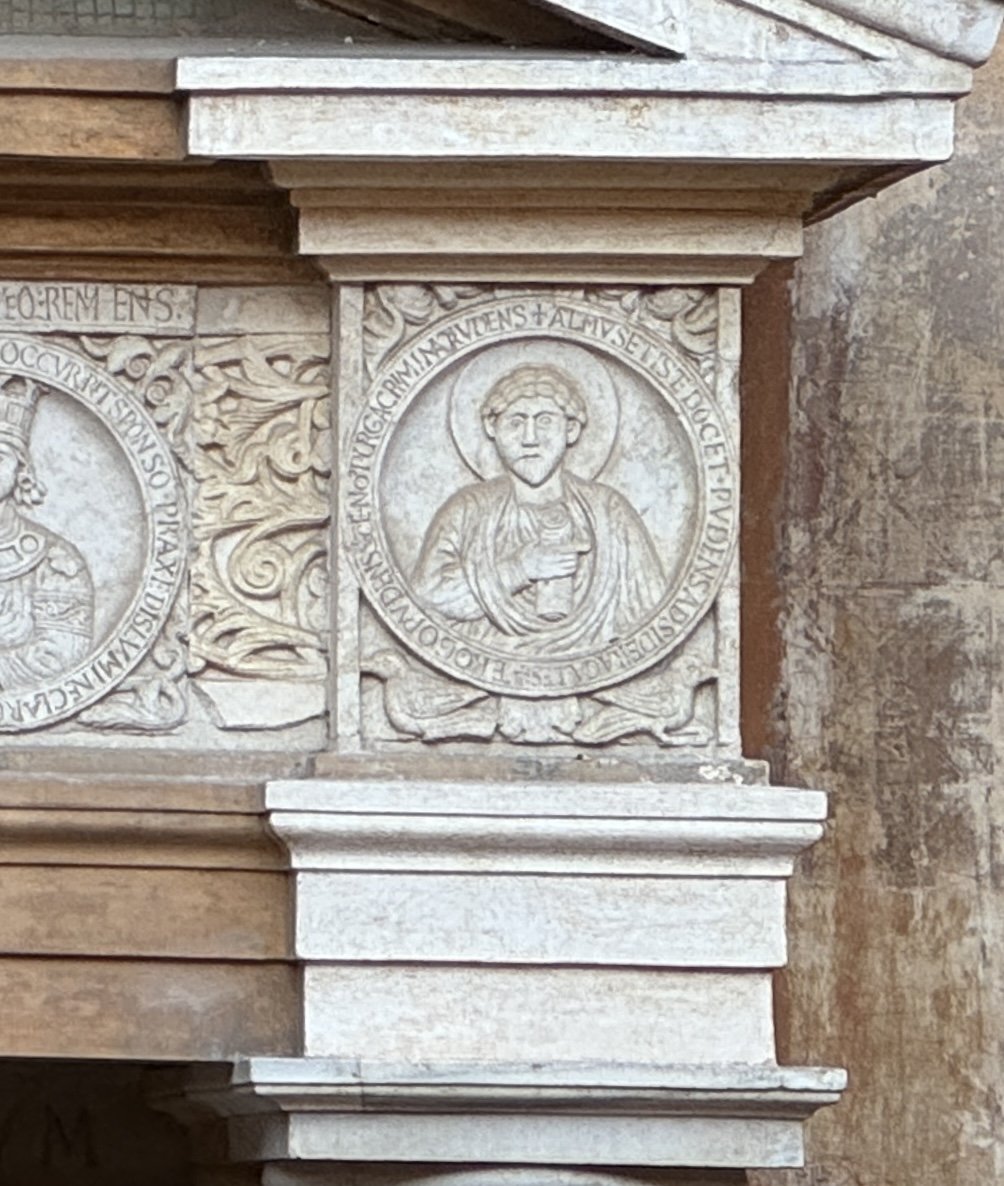
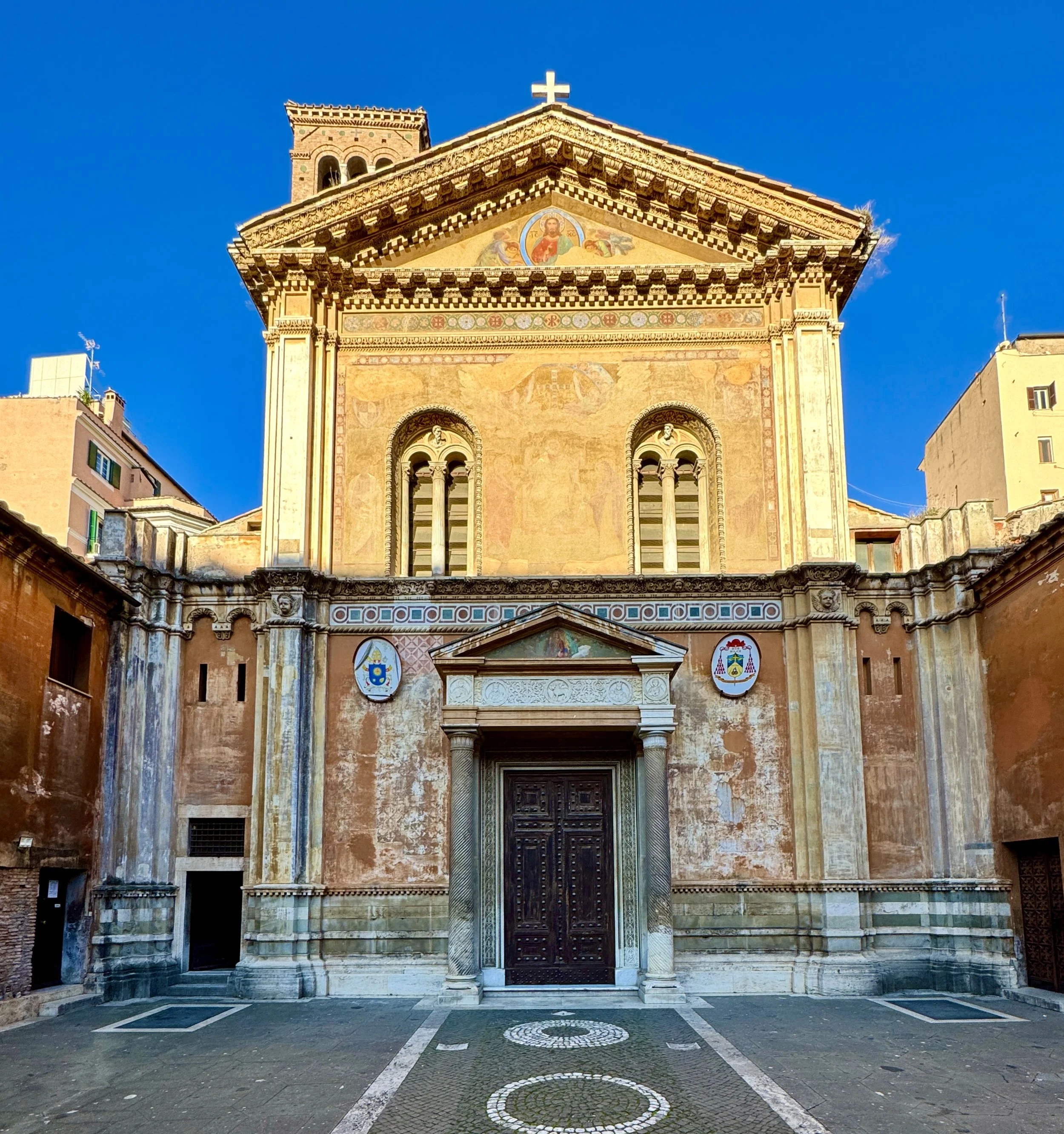
Immediately above the entrance door is a frieze with 5 circles enclosing figures, the last on the right being St Pudens. The center is the Lamb of God and on either side the daughters of Pudens, Pudenziana and Praxes, on the far left St. Pastor. The triangular pediment above this is a fresco depicting Mary and Jesus. The upper most triangular pediment is Christ and angels.
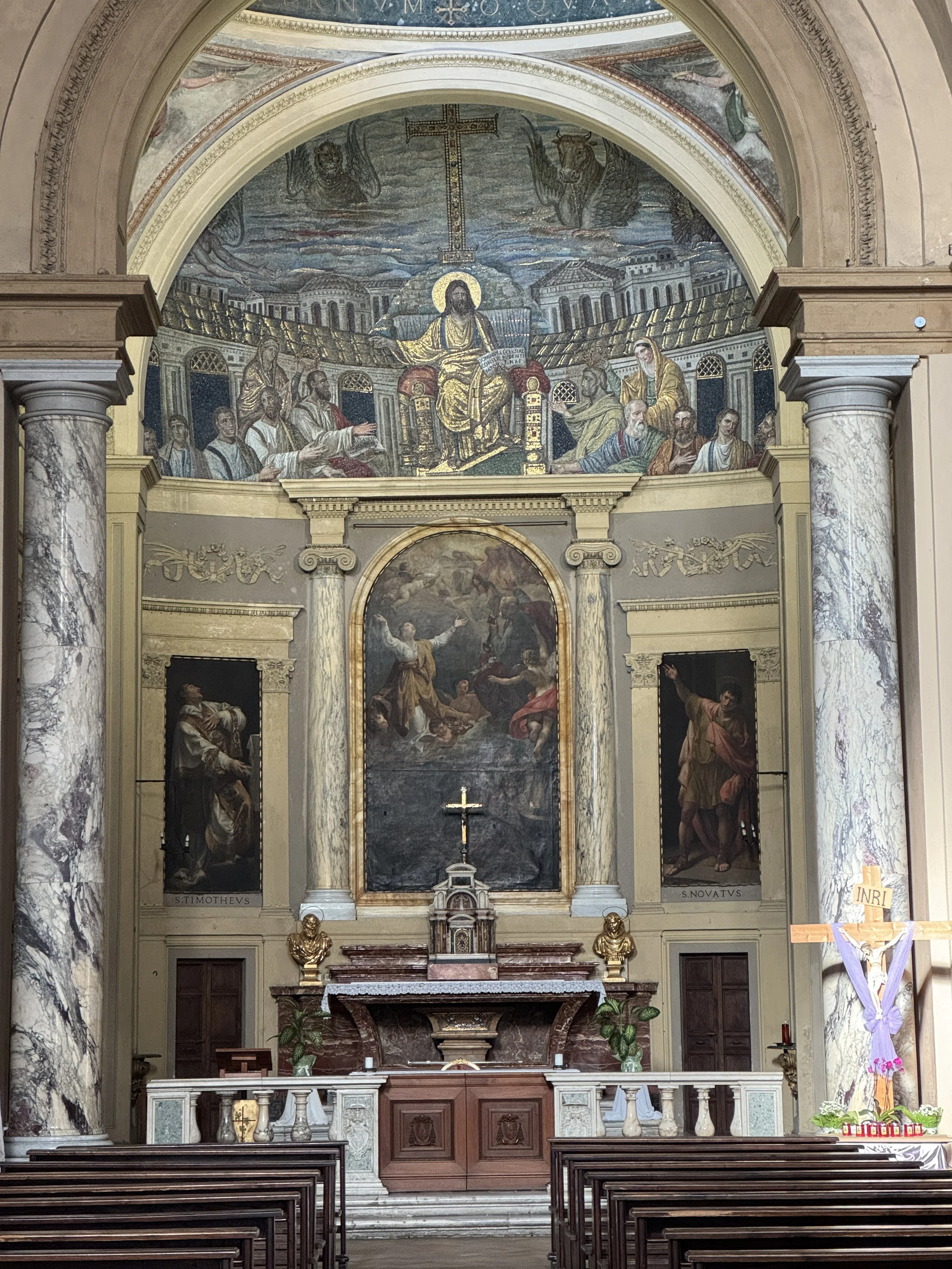
There are 7 or 8 side chapels in the basilica, each very interesting, but the most important thing is the apse mosaic that shows Christ in glory above the Apostles. Restorations have changed some of the apostle figures and their hands, but the figure of Christ (in a very early, more catacomb style and with elements of depictions of Jupiter) is original. Behind are buildings from Jerusalem - the site of the Holy Sepulcher and the basilica on what is likely the site of the last supper and gathering place of the early disciplines in Jerusalem. The two women placing crowns on Peter and Paul are said to be representations of Gentile and Jewish characteristics of the early church: Ecclesia and Synagoga.
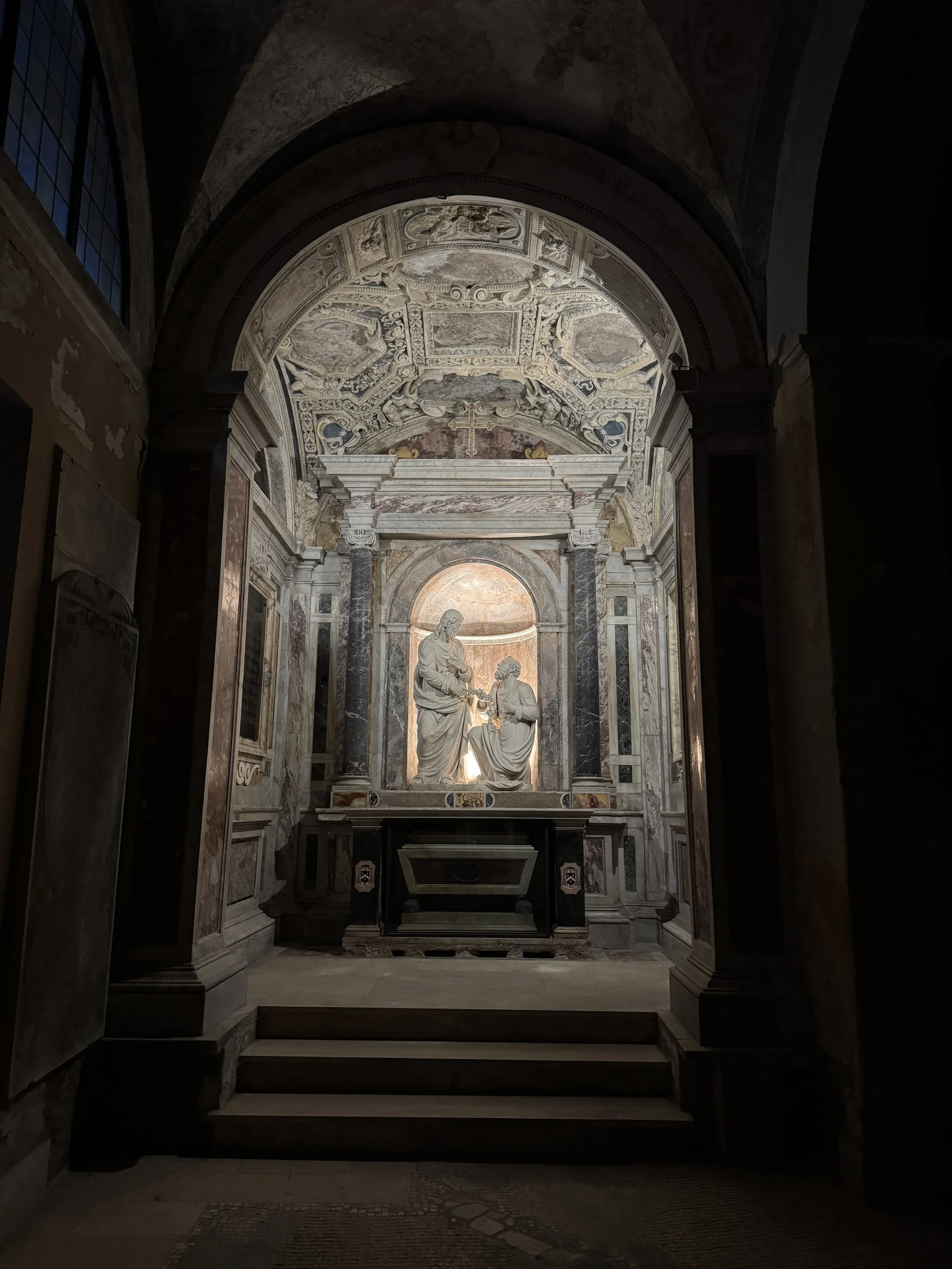
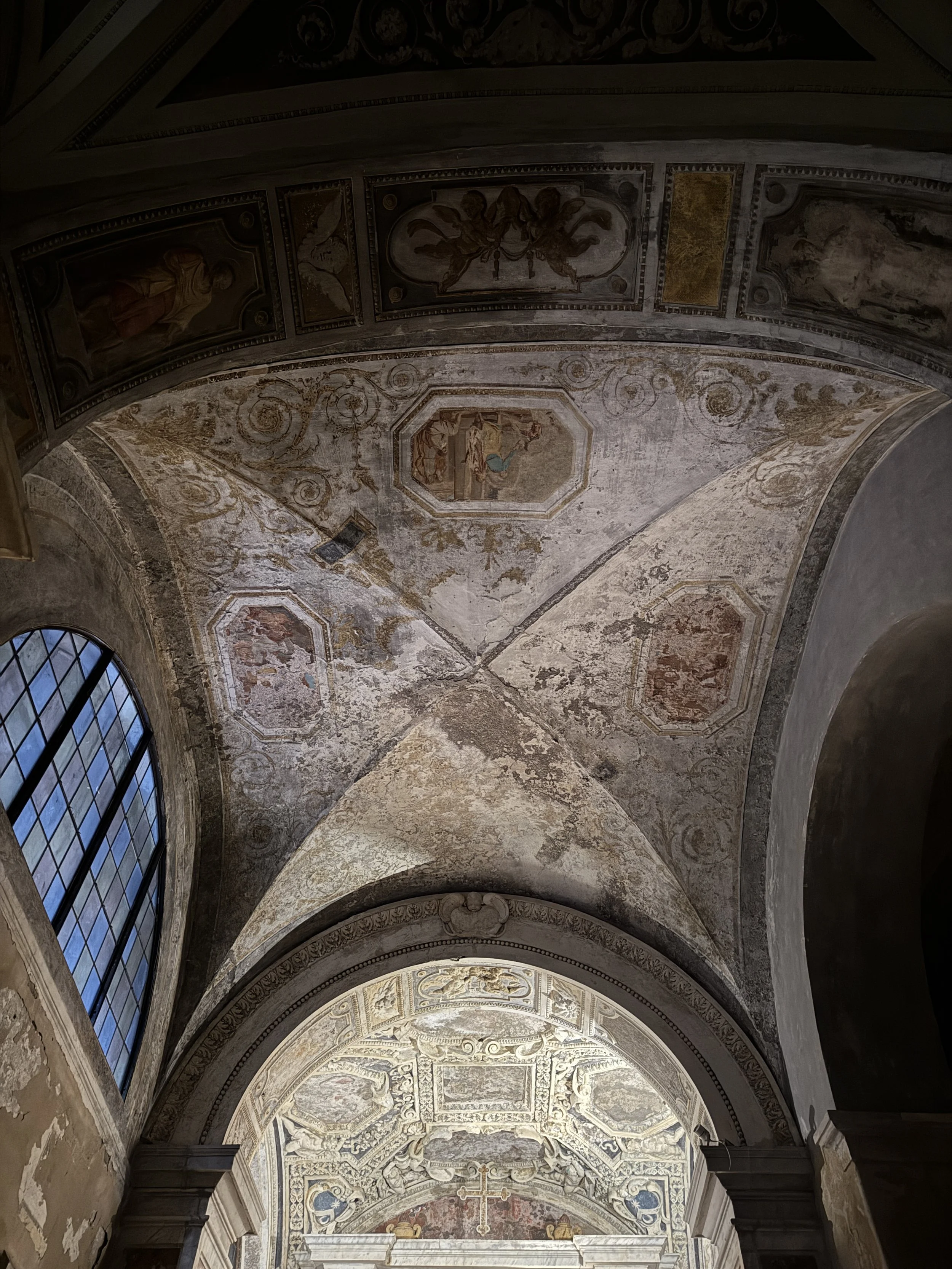
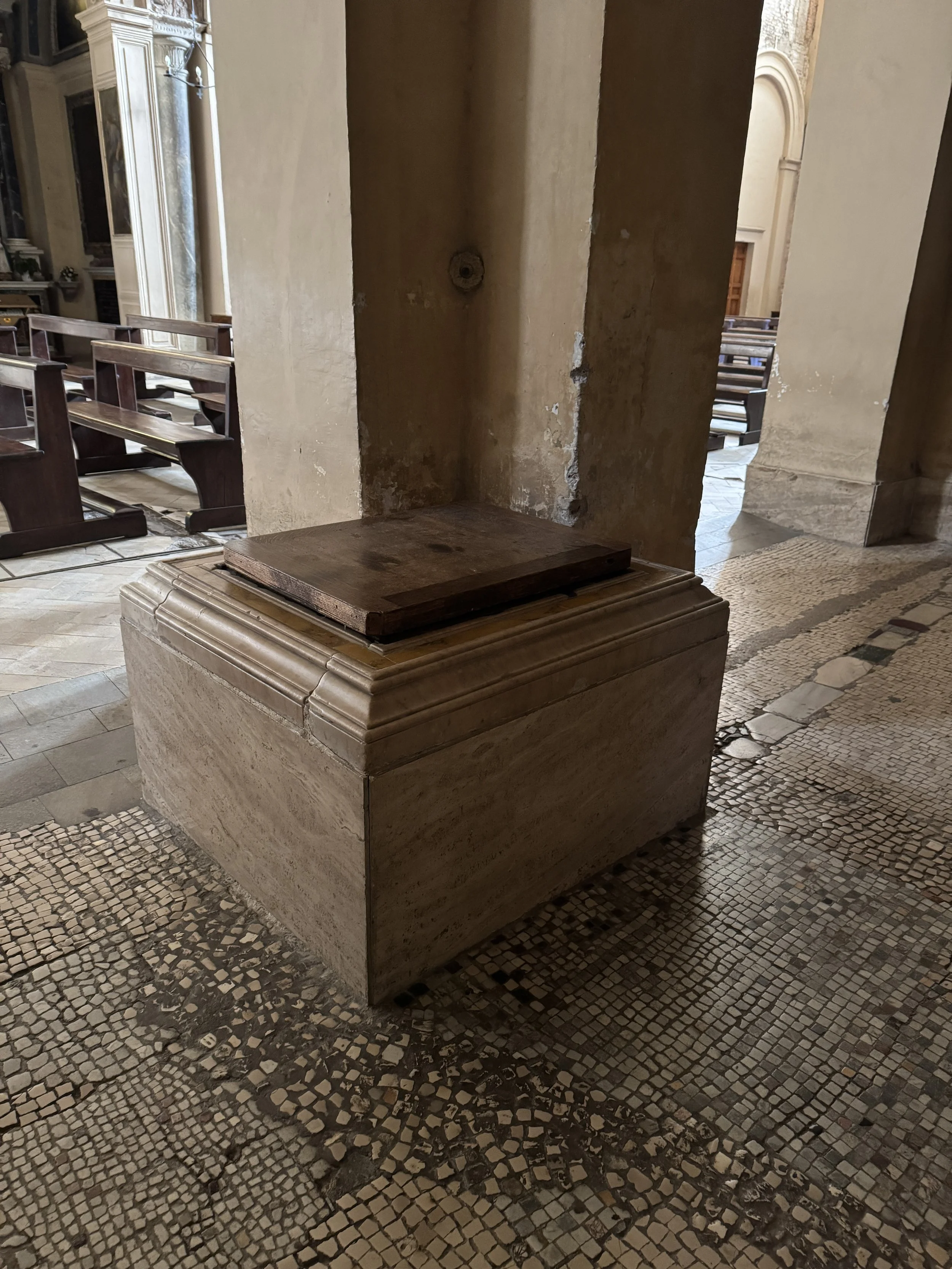
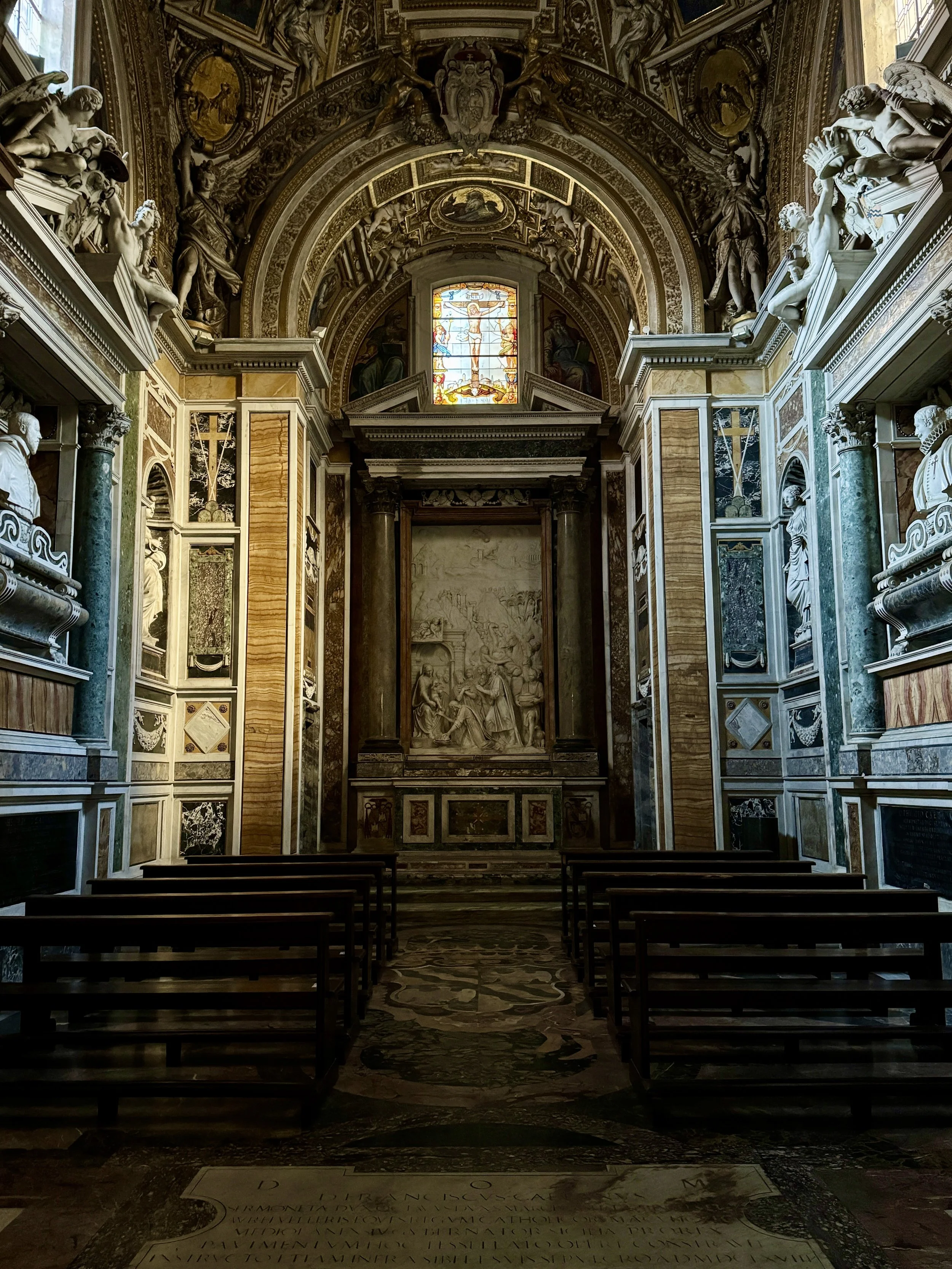
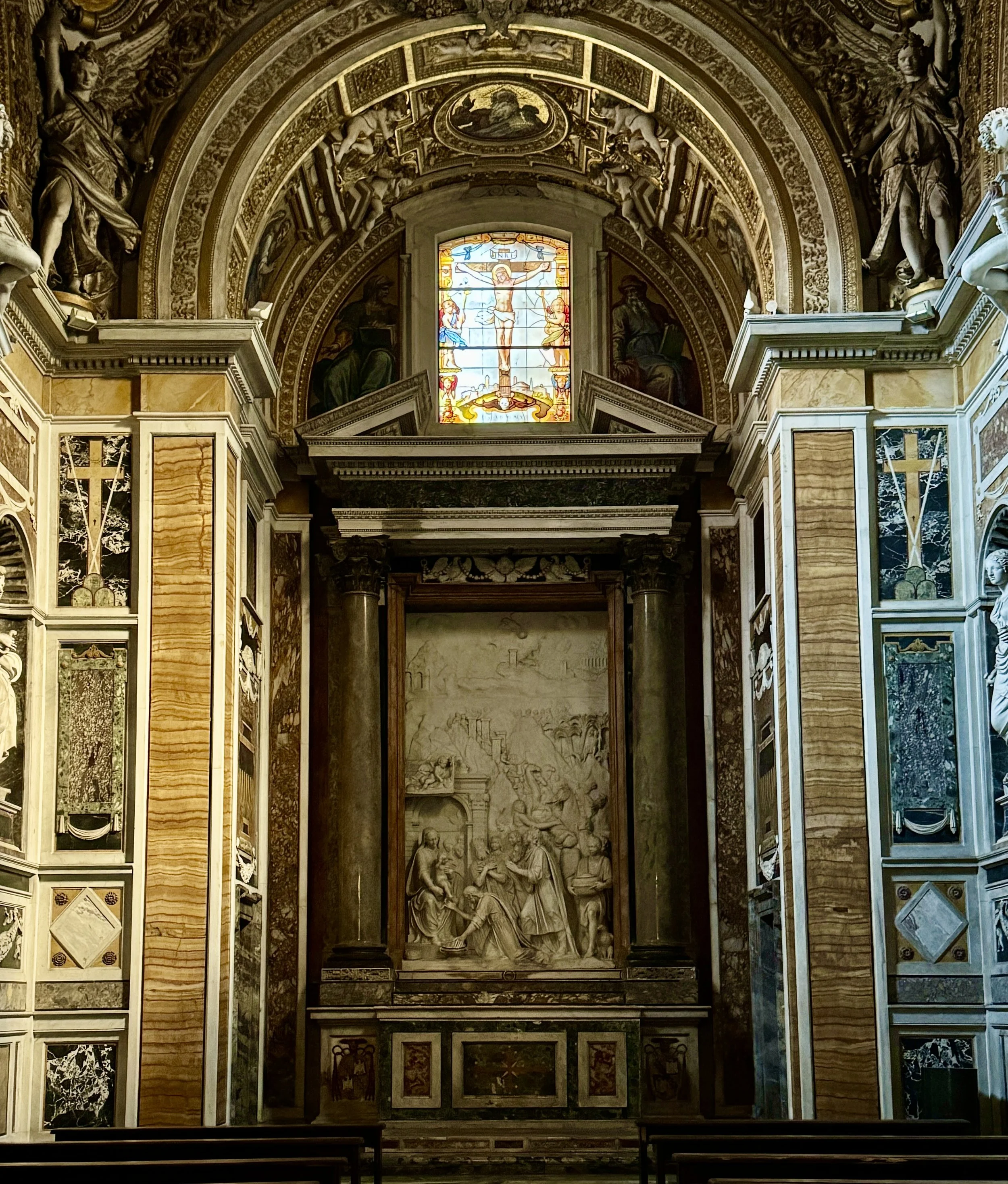
The Chapel of St Peter has a sculpture of St Peter receiving the keys of the church from Christ. It also has an altar that includes a piece of a wooden table or altar that tradition holds was used by Peter to celebrate communion on this site (the rest of this altar table is embedded in the altar at St John Lateran). There are inscribed marble slabs describing Peter’s connection to this basilica. Some of the flooring is ancient. The Caetani chapel has interesting floor mosaics and an altar relief of the adoration of the magi. To the left of the apse there is a capped well in which the Puden sisters were said to have preserved the bones and bodies of martyrs in Rome - a bit gruesome. There is an equally gruesome painting of what that process might have looked like.
Every chapel is fascinating. Every part of the building is fascinating for its relationship to the preceding layers of architecture. The caretaker was incredibly helpful and knowledgeable about the history here. He clearly has deep feelings for this place and its preservation. Per usual, we needed a couple more hours there than we had! This is walkable from the colosseum and there is an even closer metro station - definitely a lesser known MUST SEE in Rome!!
Basilica of Santa Pudenziana, Rome Italy